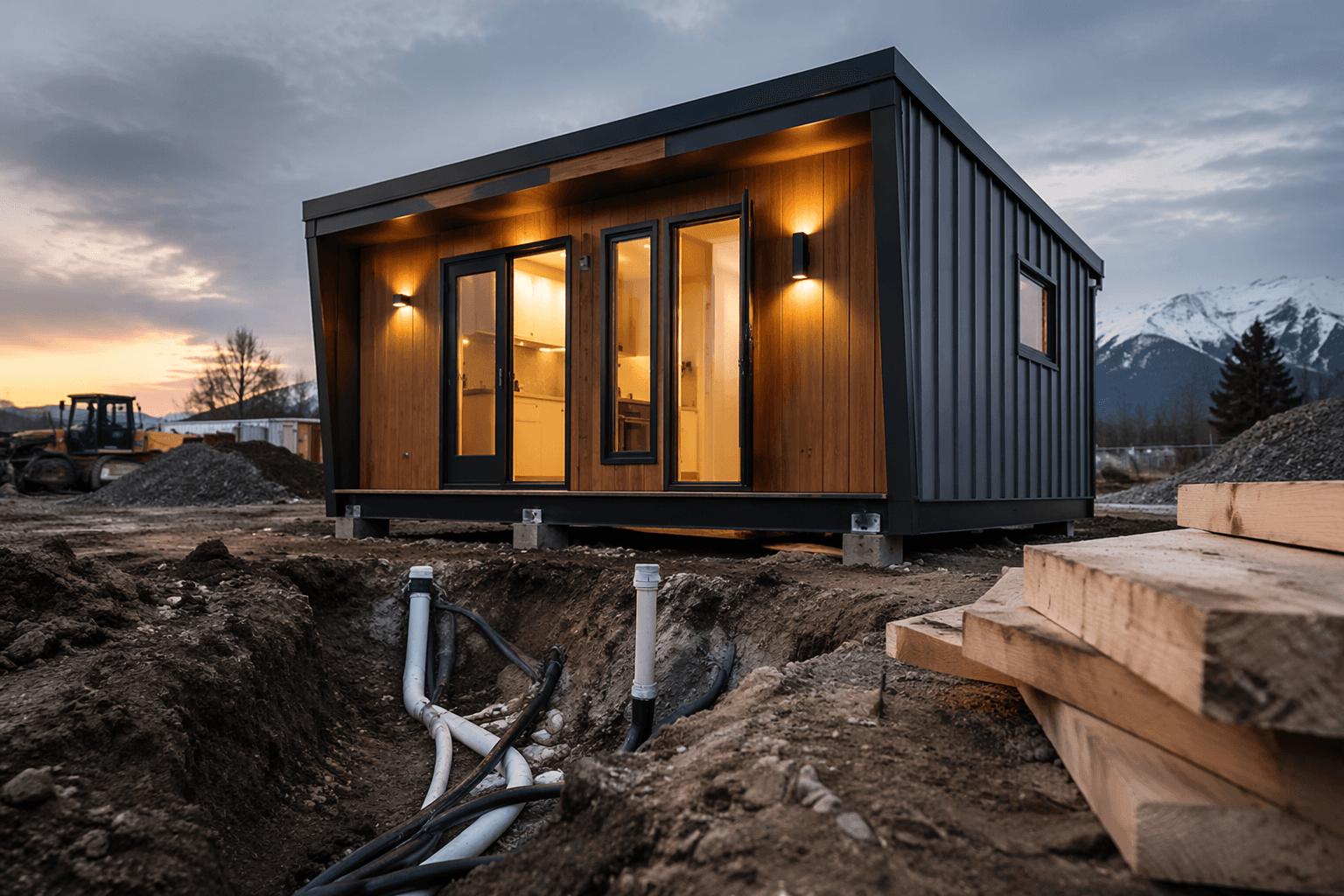
Michigan Pushes Zoning Reform as Tiny Homes Face Local Size Limits
A 2,500-square-foot floor can erase tiny homes before the first permit. Michigan is moving to loosen zoning, but some towns still lock small, affordable builds out.
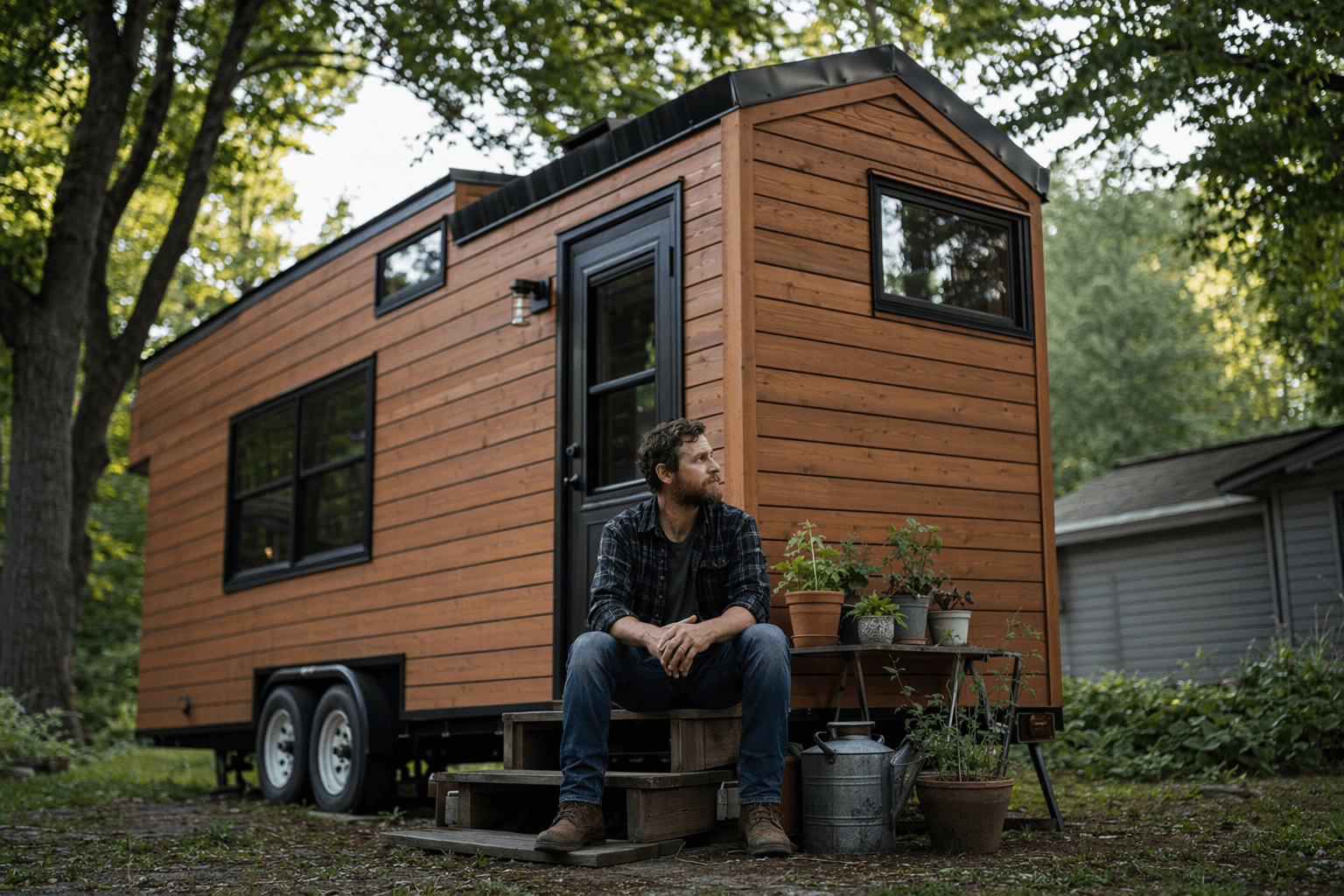
A 2,500-square-foot minimum can erase a tiny home before a buyer ever gets to the financing stage. In Michigan, that size floor is colliding with a statewide push to make room for smaller homes, and the gap between those two realities is where the current housing fight lives.
How minimum-size rules shut small homes out
Minimum square footage rules do more than set a taste level for a neighborhood. When a township requires homes to come in at 2,500 square feet or more, it pushes builders away from compact cottages, starter homes, and tiny houses that could otherwise serve first-time buyers, downsizers, and people trying to keep monthly costs manageable. Bigger required homes mean more materials, more land pressure, more labor, and larger mortgages before a family has even moved in.
That is why the debate in Michigan is not abstract. It is about whether local codes should be allowed to price out smaller footprints by design. Supporters of reform argue that the housing shortage is being made worse when local rules block the very kind of modest homes many buyers are looking for. Rep. Joseph Aragona has said developers often spend tens of thousands of dollars just to satisfy regulations before construction costs are added, which means the price problem starts long before drywall goes up.
Bloomfield Township is a clear example of how those rules work on the ground. Its current zoning ordinance, available in Clearzoning format and amended through April 27, 2025, sits inside a system where township rules can still force large homes and leave tiny or modest houses outside the market. Township materials also note that deed restrictions can be even more restrictive than zoning, which means a buyer may face more than one layer of size control even after clearing the first hurdle.
Michigan’s statewide housing push is now part of the tiny-home story
The state is not treating this as a niche zoning argument. Michigan’s first-ever Statewide Housing Plan was released in June 2022 with eight priorities and 37 goals, a sign that officials were already thinking about housing as a systems problem rather than a single building type. By July 2024, the state said it had built or rehabilitated 50,000 housing units and cut the estimated statewide shortage from 190,000 units to 141,000 units.
Governor Gretchen Whitmer’s updated five-year target is 115,000 homes by the end of fiscal year 2026, and that number gives the tiny-home debate real weight. If the state wants to close a gap that large, every local rule that blocks smaller, cheaper homes becomes part of the policy math. State housing officials have also identified local zoning reform as one of the strategies communities should consider, which puts tiny homes, duplexes, and smaller lot requirements squarely inside the broader housing agenda.
For the tiny-house world, that matters because the issue is not just whether a single cabin can get built. It is whether the state will clear a path for an entire category of entry-level housing that can be built faster, on smaller lots, and often at a lower total cost than conventional single-family homes.
What the 2026 bills would change
The legislative response in Michigan is aimed at the rules that decide what can be built, where, and how small it can be. A bipartisan group of lawmakers introduced bills in February 2026 that would allow duplexes in single-family residential areas, lower minimum housing-unit sizes, and reduce lot-size requirements. Those three changes would not solve every affordability problem, but they would open the door to more small-footprint housing in places where zoning has been the main barrier.
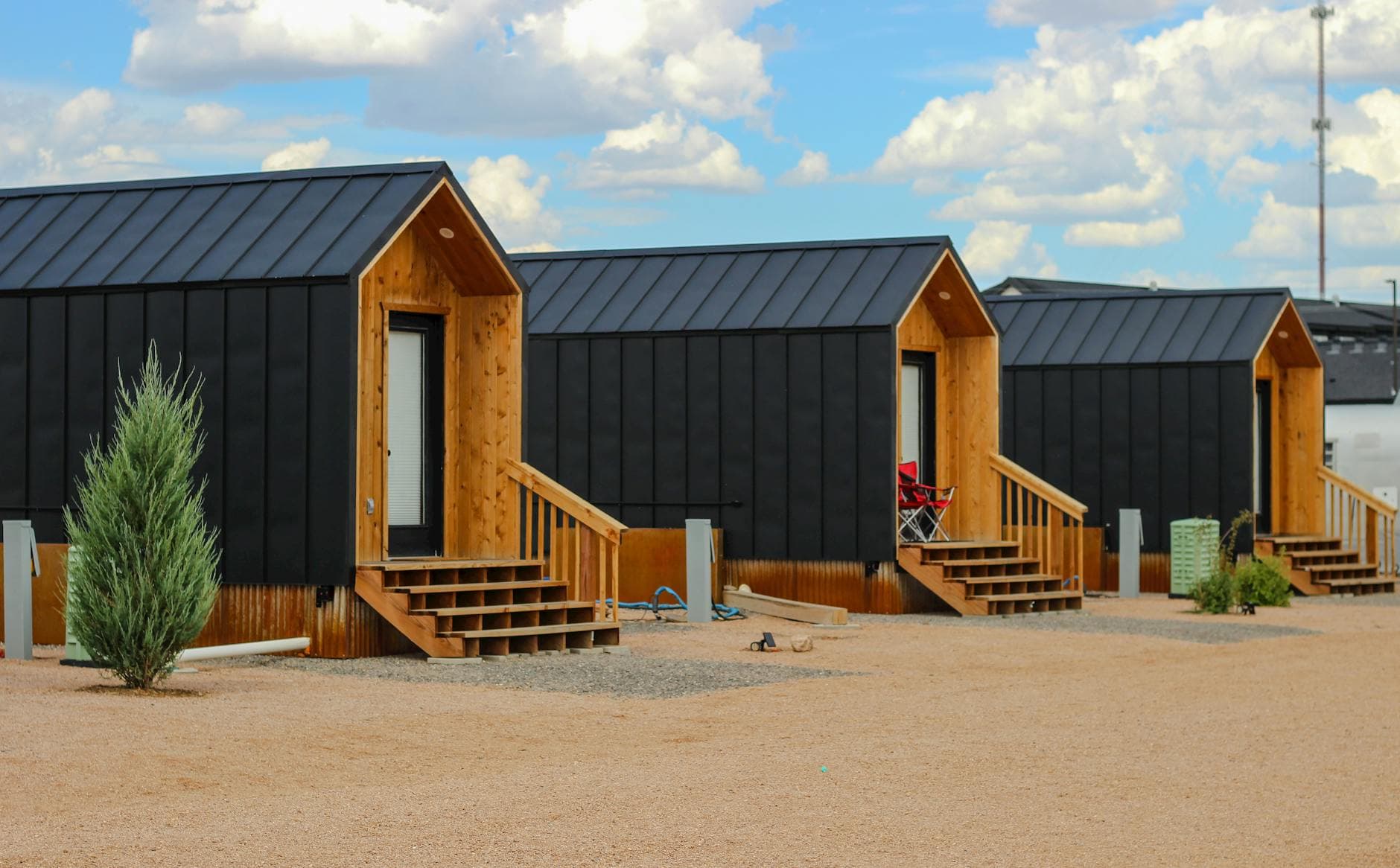
That is the logic behind the current push: if a community wants more modest homes, the code has to permit them. If the lot size is too large, the footprint too big, or the zoning too strict, the market never gets a chance to respond. For tiny-house advocates, the most important part of the package is not a design trend or a lifestyle story. It is the legal ability to build something smaller without having to fight the ordinance first.
Why local officials are pushing back
Not everyone sees preemption, or state-level override, as the answer. Local-government groups say zoning reform may take away community control without addressing the real costs that make homes expensive. Jennifer Rigterink of the Michigan Municipal League has argued that local rules make up only a relatively small part of housing costs and that financing remains a major barrier. That means even perfect zoning would still leave builders dealing with interest rates, labor shortages, and higher construction-material prices.
Two city leaders have made that resistance especially clear. Lansing Mayor Andy Schor has said zoning is a tool for managing growth and that the state should provide partnership and funding support instead of preemption. Rochester Hills Mayor Bryan Barnett has said stripping local authority would not create greater affordability. His point is simple enough to understand from the street level: if the underlying cost structure is still broken, changing who writes the zoning code will not magically make homes cheap.
This is the fault line running through Michigan right now. State officials want more homes, and reformers want size limits and lot rules loosened so smaller builds can enter the market. Local officials are warning that housing policy is being asked to carry problems created by finance, labor, and materials costs that zoning alone cannot fix.
Where Michigan is opening the door, and where it is still closed
The statewide picture is not all resistance. Ottawa County has been promoting small-footprint homes and even free small-home design plans as a possible housing fix, which shows the conversation is spreading beyond a single township and into county-level policy. That is a notable shift because it reframes tiny homes from novelty housing into a usable response to shortages and high entry prices.
Centerville Township shows how old the restrictions can be. A 2014 Michigan Public report described a 200-square-foot off-grid cabin there, and a local official said the ordinance had first been written in 1976, mainly to keep single-wide mobile homes out of the township. That history still matters because a lot of minimum-size rules were never built around today’s affordability crisis. They were written to block a different housing type, then left in place long after the market changed.
That is the real divide in Michigan today. Bloomfield Township and similar communities still use size rules that can shut tiny and modest homes out before a buyer ever gets a chance, while Ottawa County is experimenting with small-footprint solutions and the state is pushing a broader reform agenda. The policy direction is clear: if Michigan wants smaller homes to become a real part of its housing supply, it will have to make room for them in zoning, not just in speeches.
This article was produced by Prism’s automated news system from verified source data, official records, and press releases, then run through automated quality and moderation checks before publishing. The system is built and supervised by the people who set the standards it runs under. Read our full AI policy.
Did this article answer your question?