Seattle Tiny Homes Boom Next to Houses as ADU Permits Surge
Seattle’s ADU surge is turning backyard cottages into mainstream housing, with 987 permits in 2023 and new rules that could double units on a lot.
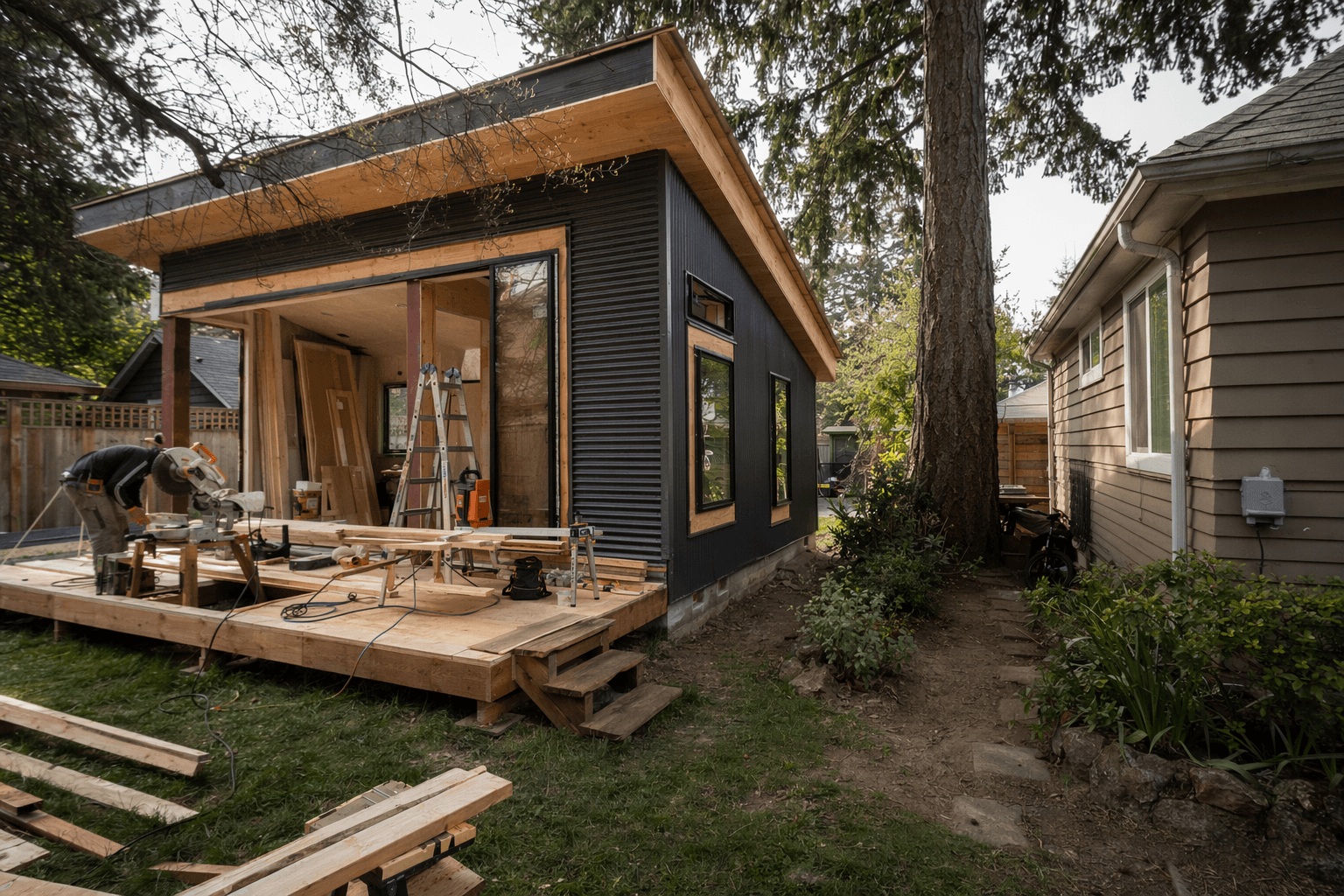
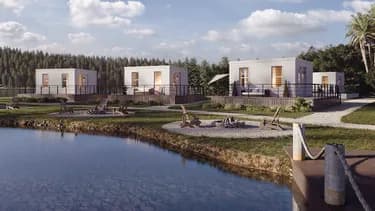
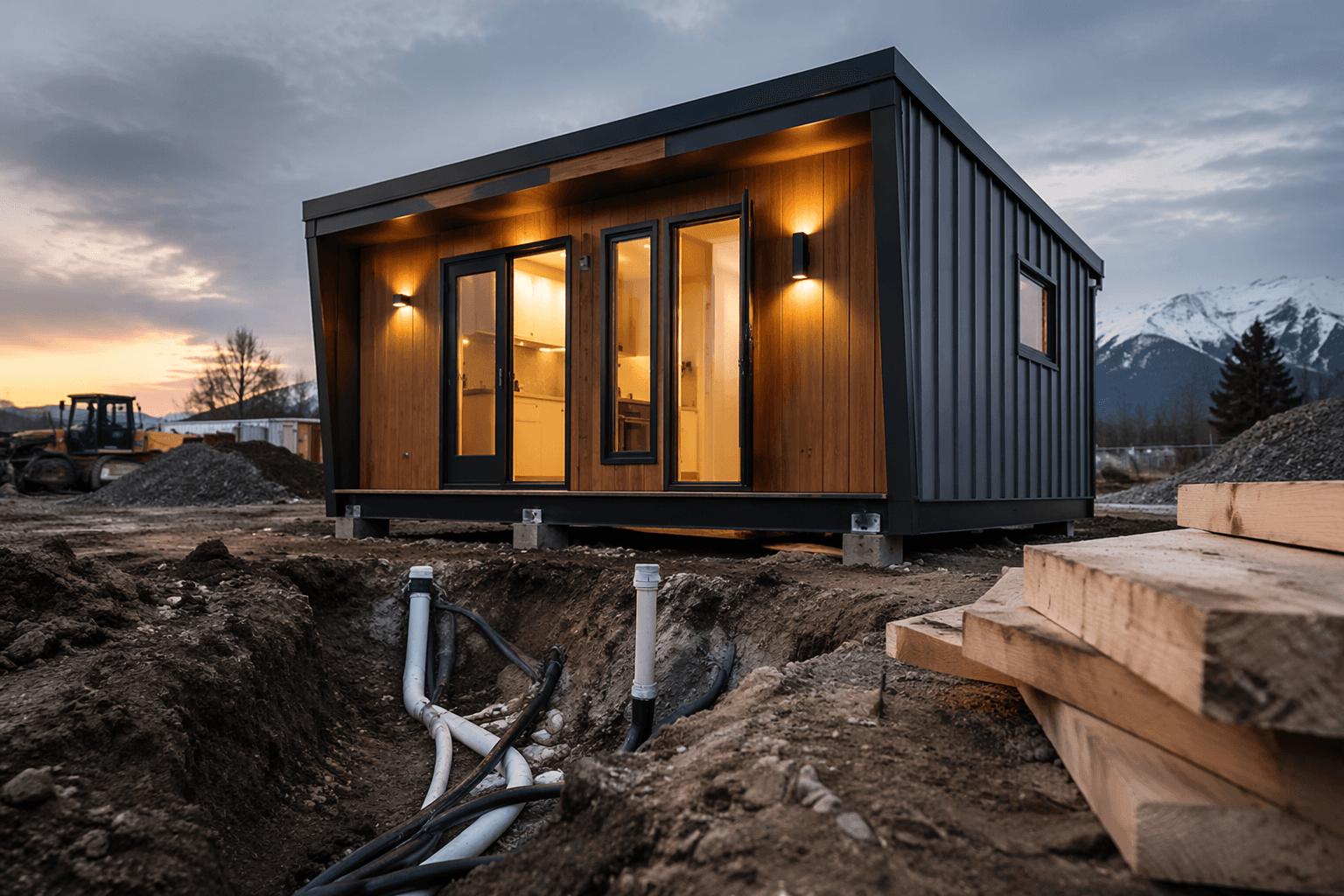
Backyard cottages in Seattle are no longer a niche experiment. The city permitted 987 accessory dwelling units in 2023, nearly four times the 2018 pace, and the surge is being driven by a mix of family needs, rental income, aging-in-place, and downsizing.
A housing tool that has moved from fringe to mainstream
What makes Seattle unusual is not just the pace of new tiny homes beside existing houses, but how long the city has been building toward this moment. Attached accessory dwelling units have been allowed in all single-family zones since 1994, and detached accessory dwelling units have been allowed citywide since 2010. That early start gave Seattle a head start, but the real acceleration came later, as the city kept widening where and how these units could fit.
The city’s 2024 annual report shows the scale clearly: nearly 1,000 permits in 2023, with 987 accessory dwelling units permitted that year. Seattle officials say the ordinance is among the most progressive in the country, and the numbers suggest it has become a real housing strategy rather than a side project for design enthusiasts.
The policy stack behind the boom
Seattle did not get here by accident. In 2014, the City Council adopted Resolution 31547 to explore changes that would make backyard cottages easier to build and allow them on more lots. That push was followed by the launch of ADUniverse in September 2020, a city toolset built around pre-approved detached accessory dwelling unit designs, a step-by-step guide, and a feasibility search tool.
Then came a new wave of changes tied to state law. Washington State House Bill 1337 requires fully planning cities and counties to allow two accessory dwelling units on residential lots that allow single-family homes within urban growth areas. Seattle’s Department of Construction and Inspections says its code updates are meant to align with that requirement while also updating height limits, parking rules, street-improvement standards, and condominium ownership options for accessory dwelling units.
What Bruce Harrell proposed next
Mayor Bruce Harrell took the next step on September 16, 2024, with a proposal that would go above state requirements. The package would allow two accessory dwelling units per lot and dual detached configurations across residential zones, a major shift for homeowners who need more than one small unit on the same property.
A companion bill would raise the maximum accessory dwelling unit size to 1,500 square feet, opening the door to three-bedroom units. It would also reduce homeowner association-related barriers to sales and make it easier to attach a second unit on unusual lots. For many Seattle homeowners, that is the difference between a compact studio in the yard and a true multigenerational setup that can hold an adult child, an aging parent, or a long-term renter.
Why homeowners are building them now
Seattle’s accessory dwelling unit wave is being pulled by ordinary life, not just by development economics. The city says these units are being used for multigenerational living, age-friendly housing, and financial stability for homeowners, and that lines up with what the city has been pushing through policy for years.
- Families use them to keep relatives close without crowding the main house.
- Older homeowners use them to stay on the same property while downsizing into a smaller, more manageable space.
- Owners who need income use them as rentals that can help cover a mortgage or offset rising household costs.
- Some households build them simply because their lot can handle a second home better than a move to a bigger house elsewhere in the city.
That variety matters. Seattle’s tiny-home boom is not one trend with one motive. It is a set of housing decisions, each rooted in a different stage of life, but all made possible by the same policy shift.
How Seattle is speeding up permits
For builders and homeowners, ADUniverse is the practical engine behind the boom. The city says its pre-approved detached accessory dwelling unit plans usually can be permitted in two to six weeks, a dramatic shortcut in a market where delays can kill a project before it starts.
Seattle also reported that those pre-approved plans were used 130 times between 2020 and 2022. That number matters because it shows the city is not just publishing plans for show. It is creating a repeatable path for homeowners who want to build quickly, avoid design bottlenecks, and get a unit approved without starting from scratch.
What to check before you build
Anyone thinking about a backyard cottage in Seattle still has to think through the lot, the neighborhood rules, and the practical details. The city’s code updates touch height, parking, street improvements, and condo ownership, so the question is no longer only whether a unit fits. It is whether the site can support the whole package, from access to ownership structure.
Seattle Neighborhood Residential zones and other residential areas are now part of a broader housing shift, especially after the city’s new middle-housing zoning changes took effect on June 30, 2025. That means accessory dwelling units are increasingly being treated as part of the city’s regular housing stock, not a special-case exception.
For homeowners, the bottom line is simple: Seattle has moved accessory dwelling units from an alternative idea to a mainstream strategy. With nearly 1,000 permits in a single year, pre-approved plans, and proposals to allow even more units per lot, the city is signaling that the smallest homes on a property may now be one of its most important housing tools.
This article was produced by Prism’s automated news system from verified source data, official records, and press releases, then run through automated quality and moderation checks before publishing. The system is built and supervised by the people who set the standards it runs under. Read our full AI policy.
Did this article answer your question?