Catskills tiny house workshop lets students live the lessons firsthand
This workshop turns tiny-house curiosity into a weekend of actual living, from composting toilets to loft sleeps, for $495.
Why this workshop stands out
The Catskills tiny house workshop in Livingston Manor is built for people who want to stop daydreaming and start understanding what tiny living really takes. The next session runs May 23-24, 2026, and the whole point is immersion: you do not just sit through a lecture and go home with a folder of concepts. You stay in the houses, use the systems, and learn what compact living feels like when the kitchen is small, the water supply is finite, and the toilet is composting instead of flush-and-forget.
That is what makes this weekend more useful than the average tiny-house inspiration rabbit hole. If you are trying to decide whether to buy plans, commission a build, or even go all the way to a finished unit, this workshop gives you the lived-in version first. It is a rare chance to test the lifestyle before you commit serious money to a house that may be too small, too off-grid, or too complicated for your actual daily routine.
What you actually learn by staying there
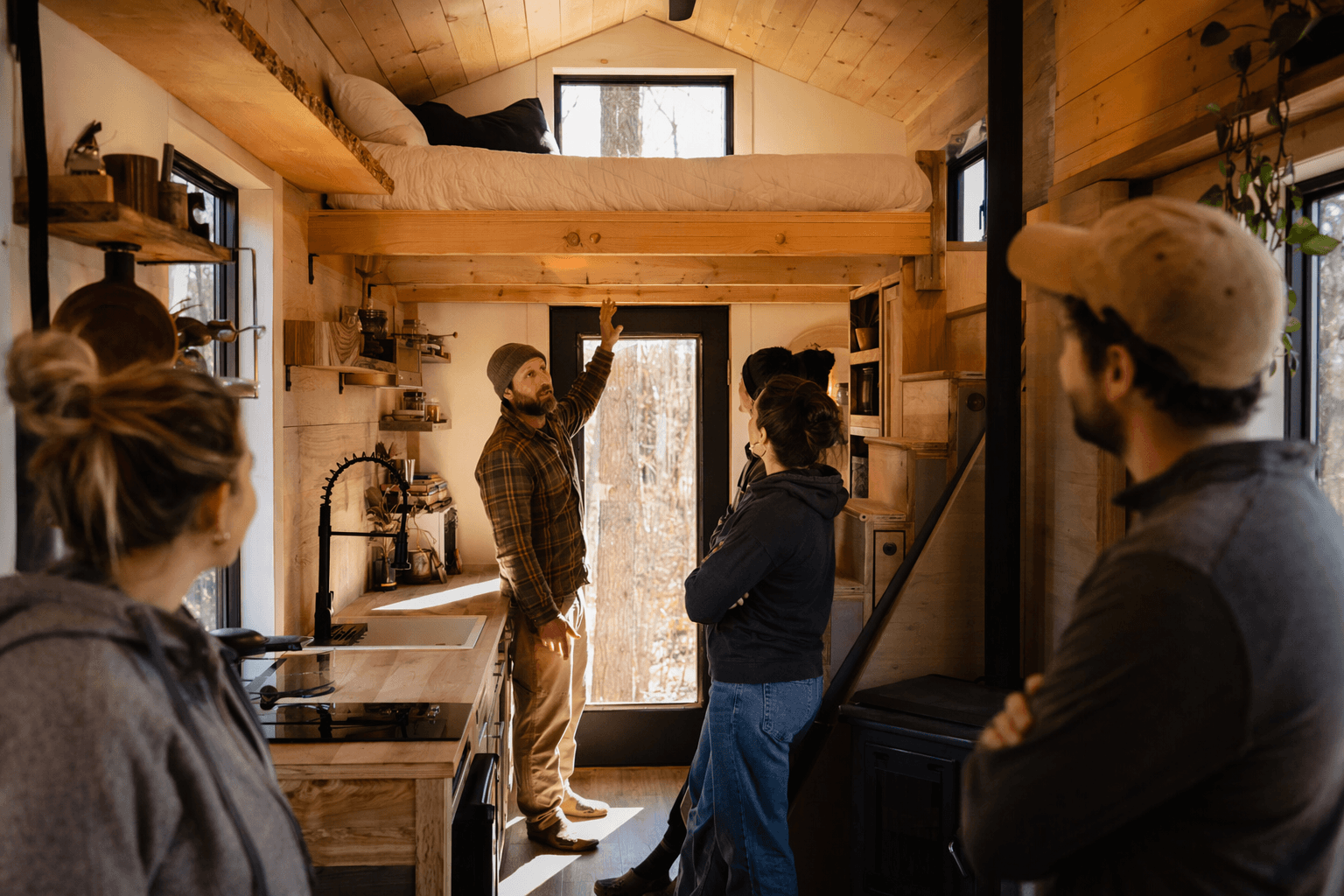
The workshop is not built around theory. It is built around the little, repetitive tasks that define tiny-house life: cooking in a tiny kitchen, starting a fire in a woodstove, refilling a water tank, climbing into a loft bed, and using a composting toilet without romanticizing any of it. That matters because tiny living fails in the details. A layout can look elegant on paper and still feel miserable when you are trying to cook dinner, store groceries, and move around the same six feet of floor space.
The homes are largely off-grid, which makes the weekend especially valuable if you care about self-sufficient living. You get a practical introduction to water, waste, heating, and power systems, not just a design lecture about them. The curriculum also covers layout principles, space optimization, moving a tiny house, managing a construction project, and choosing the right size for your lifestyle. In other words, it bridges the gap between the fantasy version of tiny living and the actual logistics that make it work.
The setup is the real selling point
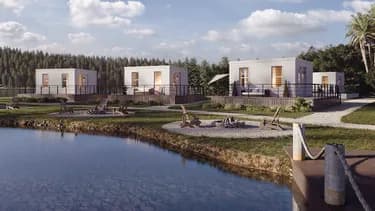
The workshop team says it has designed and built four small houses, with two mobile homes that were moved repeatedly and three currently sitting on the hillside in Livingston Manor. That setup is not a gimmick. It gives you multiple examples of how the same broad idea can play out in different footprints, configurations, and levels of portability.
You are not just inspecting a single polished model home. You are walking through a small cluster of real houses that have already lived a life of their own, which is exactly the kind of context a would-be builder needs. Tiny-house decisions are never just about square footage. They are about whether the house can move, where it will sit, what systems it needs, and how much labor you are willing to take on to keep it functional.
What the $495 fee includes
The May 23-24 workshop costs $495, and the package is more substantial than a lot of weekend classes that mainly sell motivation. The fee includes accommodations, continental breakfast, sample blueprints, sample written plans, a sample builder’s contract, a sample land rental agreement for a tiny house, and a how-to guide packed with building terms, definitions, and facts.
That bundle is useful because it addresses the part of tiny-house ownership many first-timers underestimate: paperwork and planning. Blueprints and layout ideas are only one slice of the project. If you are aiming to build, place, or rent land for a tiny house, a builder’s contract and land rental agreement are the kinds of documents you will eventually need to understand anyway. Getting those examples in the same weekend as the hands-on experience makes the workshop feel less like a retreat and more like a practical starter kit.
How the site shapes the experience
The property itself reinforces the lesson. It sits on a shale road with no streetlamps and is roughly two hours from New York City. That means the setting is rustic enough to feel like a real test, but close enough to remain accessible for a weekend trip. The site also says guests can use the kitchens, bathrooms, showers, and wi-fi, and that campers are welcome if they do not want to sleep in a house.
That flexibility matters. Not everyone attending a tiny-house workshop is ready to spend two nights fully inside a lofted sleeping platform. Being able to camp, use communal facilities, and still participate in the full program lowers the barrier to entry without watering down the experience. You still get the rhythm of the place, the off-grid flavor, and the day-to-day chores that come with compact housing.
Why this lands in the current housing market
The timing makes sense. The National Association of Home Builders says the average single-family home in its 2024 Construction Cost Survey measured 2,647 square feet, while its separate analysis found the median size of new single-family homes fell to 2,150 square feet in 2024, the lowest in 15 years. Smaller homes are not just a lifestyle choice anymore. They are part of a broader correction driven by cost, land pressure, and changing expectations about what buyers can afford.
That context is especially relevant in New York, where Redfin’s March 2026 data put the statewide median home price at $597,700 and New York City’s median at $869,000. Against numbers like those, a $495 workshop that teaches you how to evaluate compact living starts to look less niche and more like a sensible first filter. If the goal is to buy less house, spend less money, and maybe live more lightly, learning the tradeoffs before you build is a smart move.
The rules still matter, and this workshop knows it
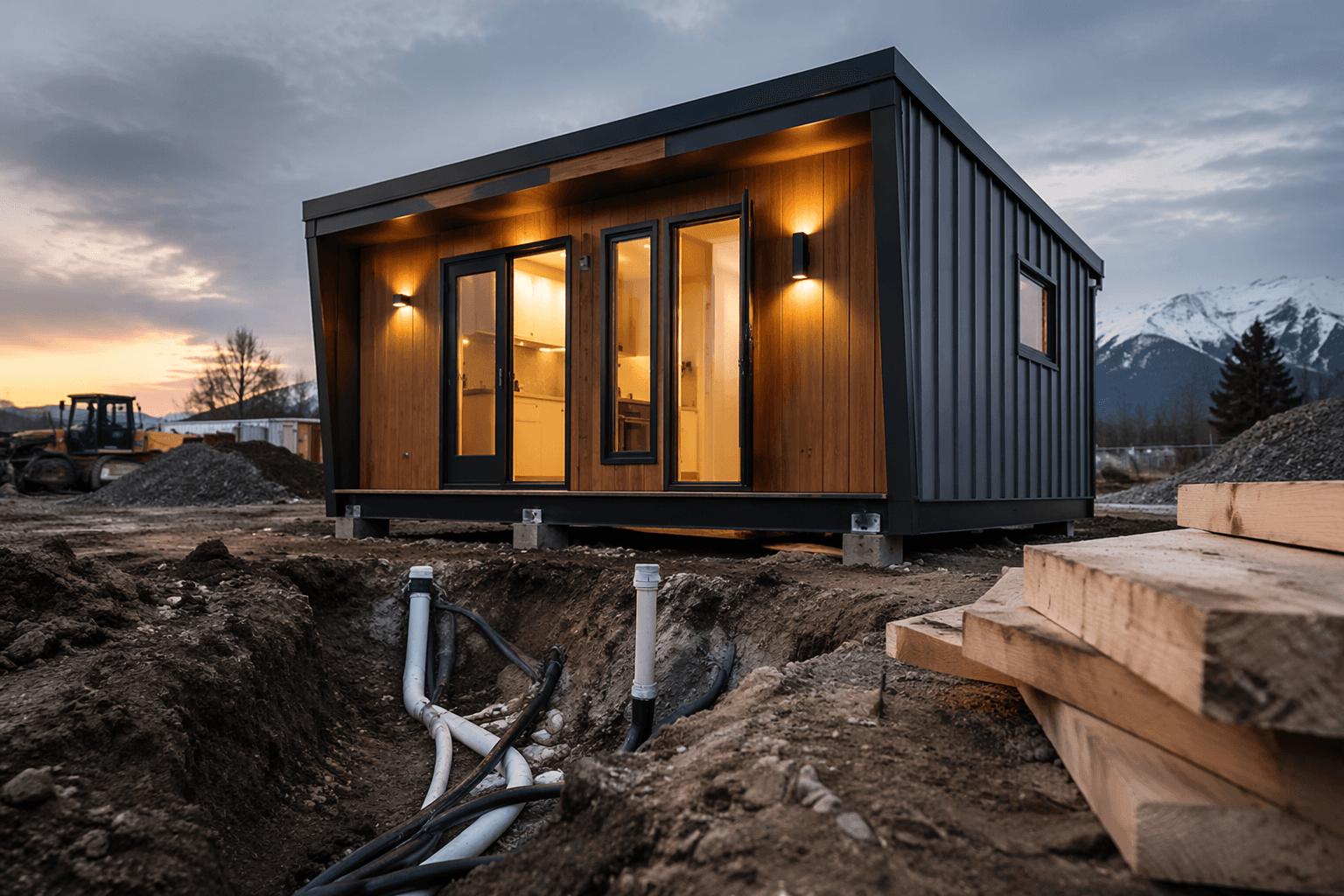
Tiny houses are not exempt from regulation just because they are small. New York State guidance says both local zoning laws and the Uniform Code apply, which is exactly why a practical workshop can be more useful than a stack of pretty floor plans. You have to think about siting, transport, utility hookups, and compliance long before you think about curtains or cabinets.
That is where the Catskills program earns its keep. It does not pretend tiny-house life is just a design aesthetic. It treats it like a real project with real constraints, from where the house lands to how it gets moved and what systems keep it habitable. For someone serious about building or living small, that is the first step that actually saves time and money later.
A continuing local project, not a one-off
Catskills Tiny House Workshop LLC was filed with the New York Department of State on March 2, 2022, and earlier listings show the workshop has been running repeatedly over multiple years, including October 2021, March 2022, and May 2025. A 2022 local radio item identified Marty Neilan as the figure associated with the workshop, which gives the program a recognizable face and a sense of continuity.
That history matters because it suggests this is a working educational model, not a pop-up curiosity. The workshop has had time to refine its on-site format, expand its house inventory, and keep returning to the same core lesson: tiny living is easier to understand when you actually try it. For would-be builders, that may be the most valuable lesson of all.
This article was produced by Prism’s automated news system from verified source data, official records, and press releases, then run through automated quality and moderation checks before publishing. The system is built and supervised by the people who set the standards it runs under. Read our full AI policy.
Did this article answer your question?