Mobi House’s Sunrise Prestige raises the bar for tiny-home luxury
Sunrise Prestige packs polished finishes, four-zone living, and year-round utilities into 15.72 m², but its real trick is balancing luxury with livability.
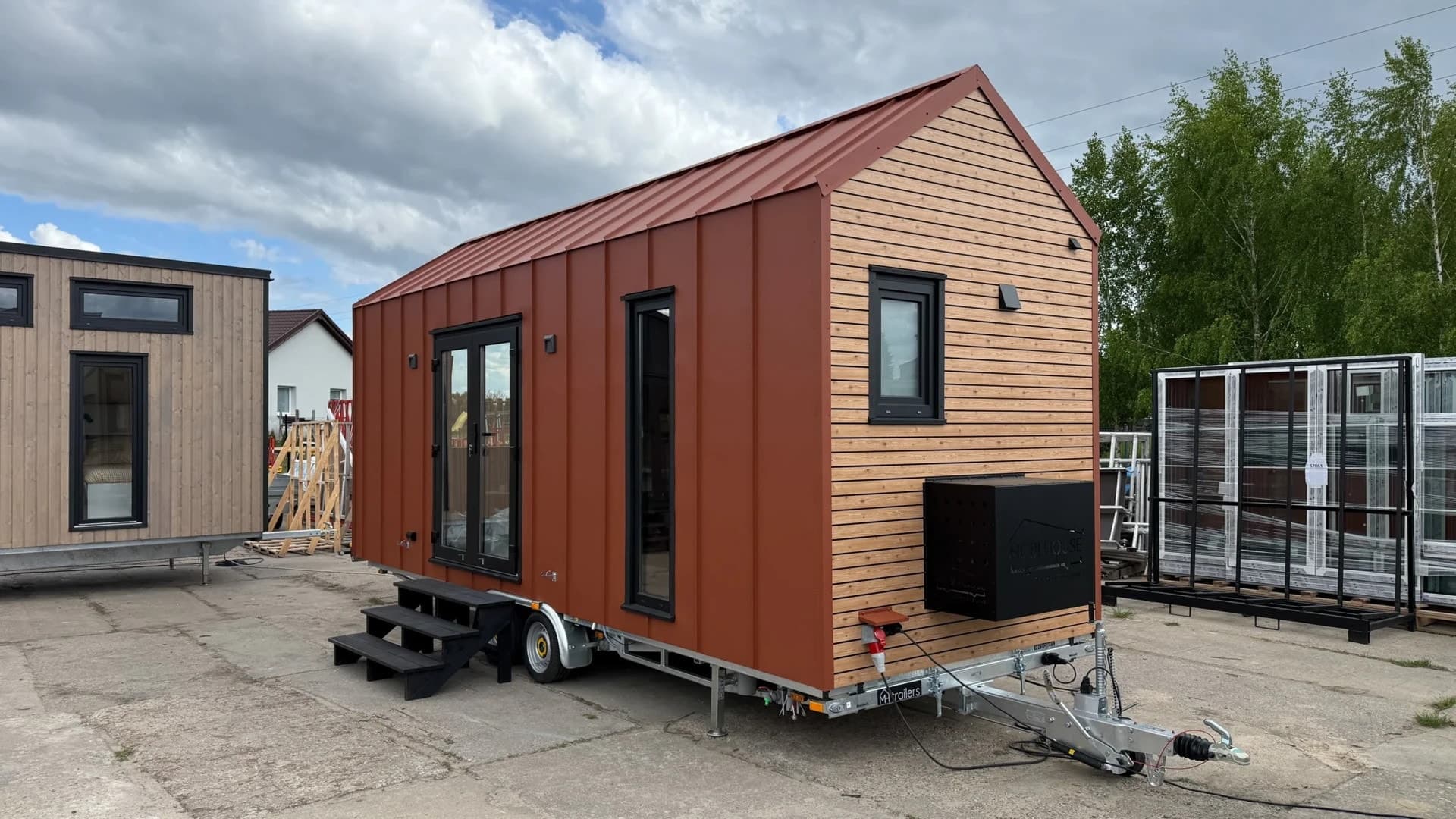
A tiny house can look expensive without feeling usable, and that is the tension Sunrise Prestige steps into headfirst. Mobi House is pitching this compact model as a prestige version of its MOBI MODUL SUNRISE line, and the claim only works if the finishes, layout, and build choices earn their keep inside a 6.6-meter shell. Here, the appeal is not just that it looks refined. It is that the home tries to preserve comfort, flexibility, and real daily function while staying small enough to move.
Luxury in a compact footprint
Sunrise Prestige measures 15.72 m², with dimensions of 6.6 m x 2.5 m x 4 m, so every centimeter has a job to do. That is exactly why the “mini mansion” language attached to it matters: a premium tiny house lives or dies on whether the visual polish actually supports the way people move through the space. In this case, Mobi House is not selling blank-square austerity. It is selling an elevated finishing standard, a carefully selected color palette, and refined details meant to make the compact frame feel more residential and less improvised.
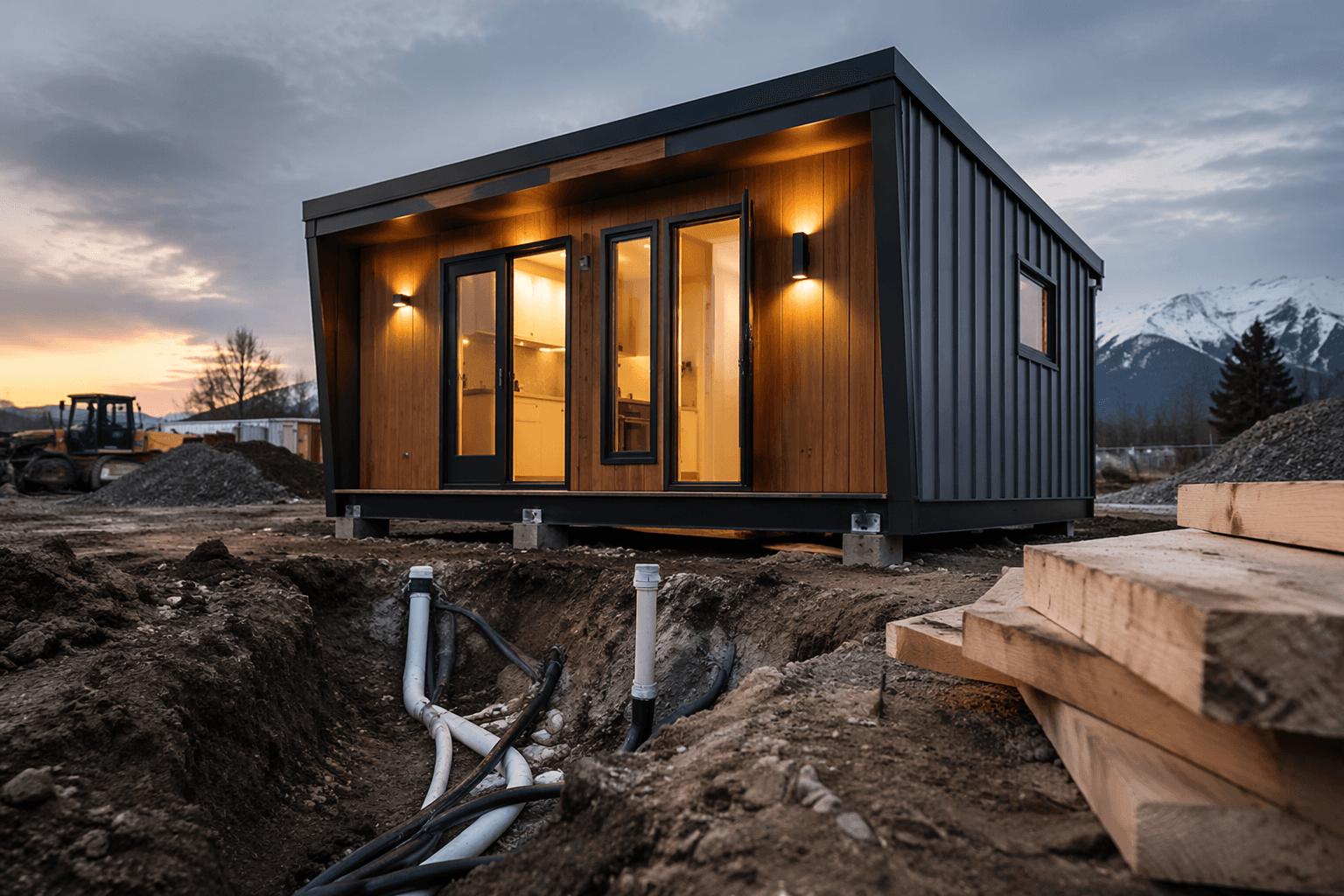
That premium feeling is also tied to the house’s year-round and on-grid positioning. Sunrise Prestige is designed for electricity, water, and sewage connections, which shifts it away from a purely off-grid escape pod and toward something closer to a small, permanent dwelling. For many tiny-home buyers, that matters more than spectacle: the luxury is not only in the look, but in the ability to live comfortably without constantly negotiating compromise.
What the layout gives you
The interior is divided into four practical zones: living, sleeping, kitchen, and bathroom. That sounds simple, but in a house this size, zoning is the difference between a home and a cramped box. A clear division keeps the daily rhythm legible, especially when the plan is built around a single loft bedroom and a footprint meant for up to 3 people.
The tradeoff is obvious, and that is where Sunrise Prestige deserves a hard look. A loft bedroom saves valuable main-floor space, but it also means vertical living remains part of the equation. If the finish level is beautiful enough to make that ascent feel intentional, it succeeds. If not, the loft becomes the point where the premium story runs into the practical limits of a tiny footprint.
Still, the four-zone plan suggests Mobi House is prioritizing everyday usability rather than decorative excess. A living area, kitchen area, bathroom area, and sleeping area each get defined roles, which is exactly how a compact home avoids wasting space. In tiny-house terms, that is not just good design. It is the baseline for comfortable living.
The details that make it feel premium
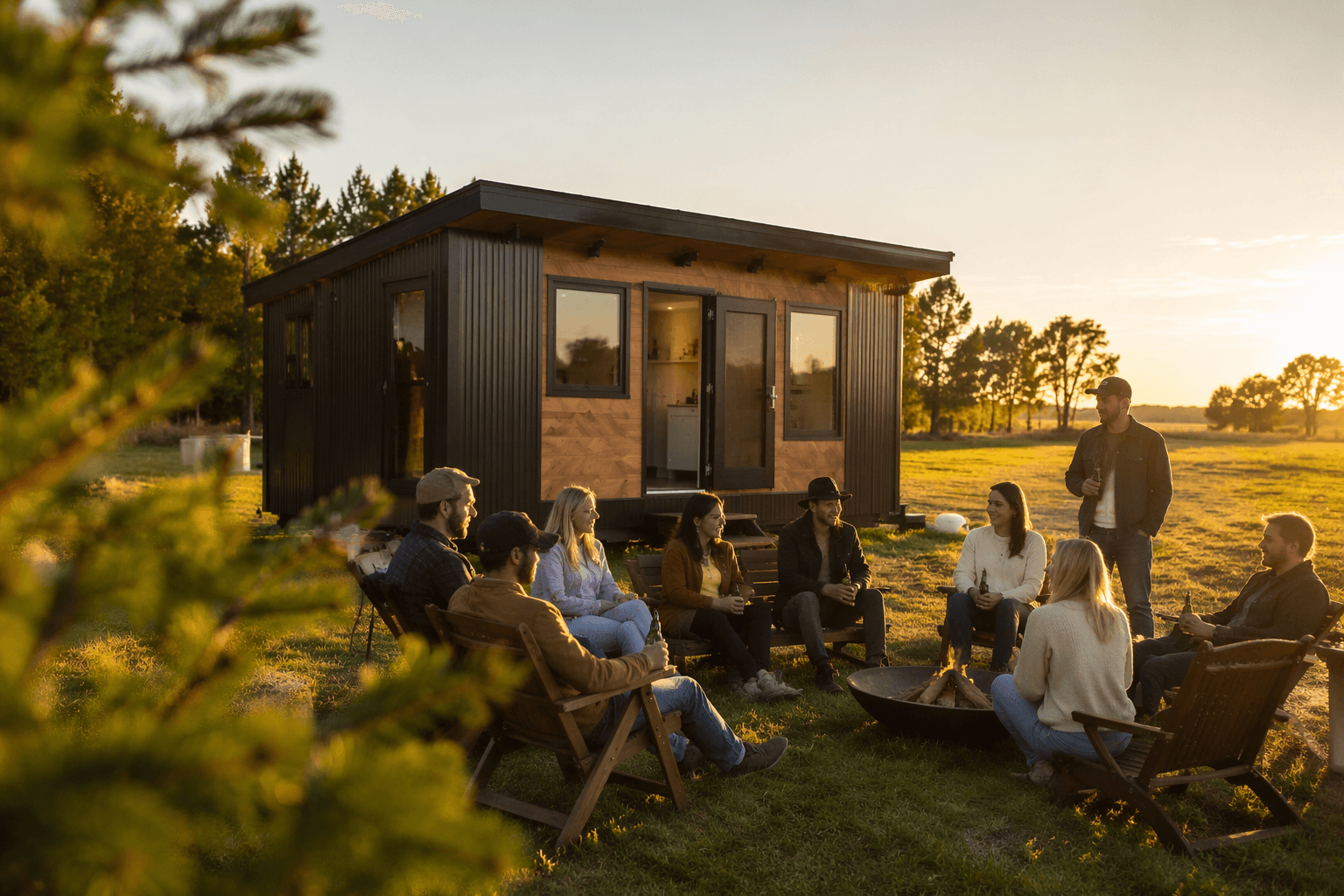
The strongest argument for Sunrise Prestige as a luxury compact home is not that it is large. It is that the smallness appears deliberate. Mobi House describes the model as a harmonious combination of functional solutions, comfort, and modern design, and the phrase matters because it points to a home where aesthetics are supposed to serve function rather than compete with it.
That said, the benchmark claim should be read carefully. Premium finishes can raise a tiny house’s perceived value, but they can also consume space visually and physically if they are handled poorly. What makes Sunrise Prestige persuasive is that the description points to a finished, fully equipped home rather than a style exercise. The home is framed as fully furnished and ready for year-round use, which means the luxury case rests on lived-in practicality, not showroom gloss.
There are also smaller choices that help reduce the sense of sacrifice:
- A carefully managed color palette can make narrow rooms feel calmer and more open.
- Refined detailing can soften the transition between zones in a compact interior.
- A loft bedroom preserves the main level for daily use.
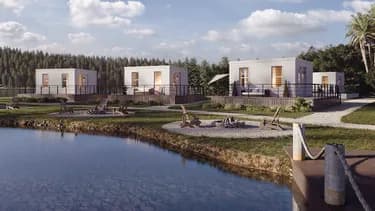
- The mini terrace option in the broader Sunrise setup adds a little outdoor breathing room without bloating the structure.
- Fireplace or fireplace-prep options give the model a more residential feel, especially for colder-season use.
Taken together, those are the kinds of decisions that can make a tiny house feel premium without stealing room from the essentials. The risk is always that luxury becomes ornament. Sunrise Prestige appears to lean the other way, toward finishes that are there to support comfort.
Built to move, built to stay
The structure sits on a THM 660 LIFT&GO by MH trailers frame, and the trailer can be detached from the house. That detail matters because portability is part of the model’s value proposition, even when it is dressed in premium materials. Mobi House also says the house can be bought on the LIFT&GO frame only, without running gear and detachable supports, which lowers the price further and gives buyers another way to tailor the purchase to their needs.
This is where the model’s identity gets interesting. Sunrise Prestige is presented as both a mobile home for living and an investment property aimed at premium rental purposes. That dual use makes sense in a market where buyers often want assets that can serve personal needs now and generate income later. In that context, the compact footprint is not a limitation alone. It is part of the business model.
The broader Sunrise line reinforces that logic. Mobi House positions it as modular, with the option to buy a single module and add more segments later, and the configurator lists three module-connection options. That means Sunrise Prestige is not necessarily a closed final product. It can be treated as a starting point, which is a smart answer to the usual tiny-house dilemma of whether the dream size is too small for long-term life.
Why Mobi House’s pedigree matters
Mobi House’s credibility in this space comes from more than one pretty release. The company says it was founded in 2018 by Kasia and Bartek, and that Bartek had already lived in a self-built tiny house in Norway for about two years before the business began. In 2020, Ania and Patrycjusz joined the company, and Mobi House says it has since become one of the leaders in the European market.
That background helps explain why Sunrise Prestige feels more like a mature product than a novelty. Mobi House also says its homes have full-vehicle approval as camping trailers, which is important for legal travel on European roads and easier technical inspections. For buyers, that turns the home from an attractive object into a more practical, road-ready asset with a clearer path to use.
Viewed against the standard MOBI MODUL SUNRISE, which Mobi House describes as a compact, fully equipped home with large glazing, a compact kitchen, a functional bathroom, and a cozy living room, Sunrise Prestige reads as the sharper-edged, more polished branch of an already established idea. The leap is not about reinventing tiny living. It is about proving that a 15.72 m² home can still feel upscale, flexible, and genuinely livable. That is the real benchmark it is trying to set, and it is strong enough to make the category pay attention.
This article was produced by Prism’s automated news system from verified source data, official records, and press releases, then run through automated quality and moderation checks before publishing. The system is built and supervised by the people who set the standards it runs under. Read our full AI policy.
Did this article answer your question?