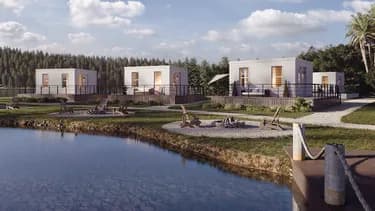
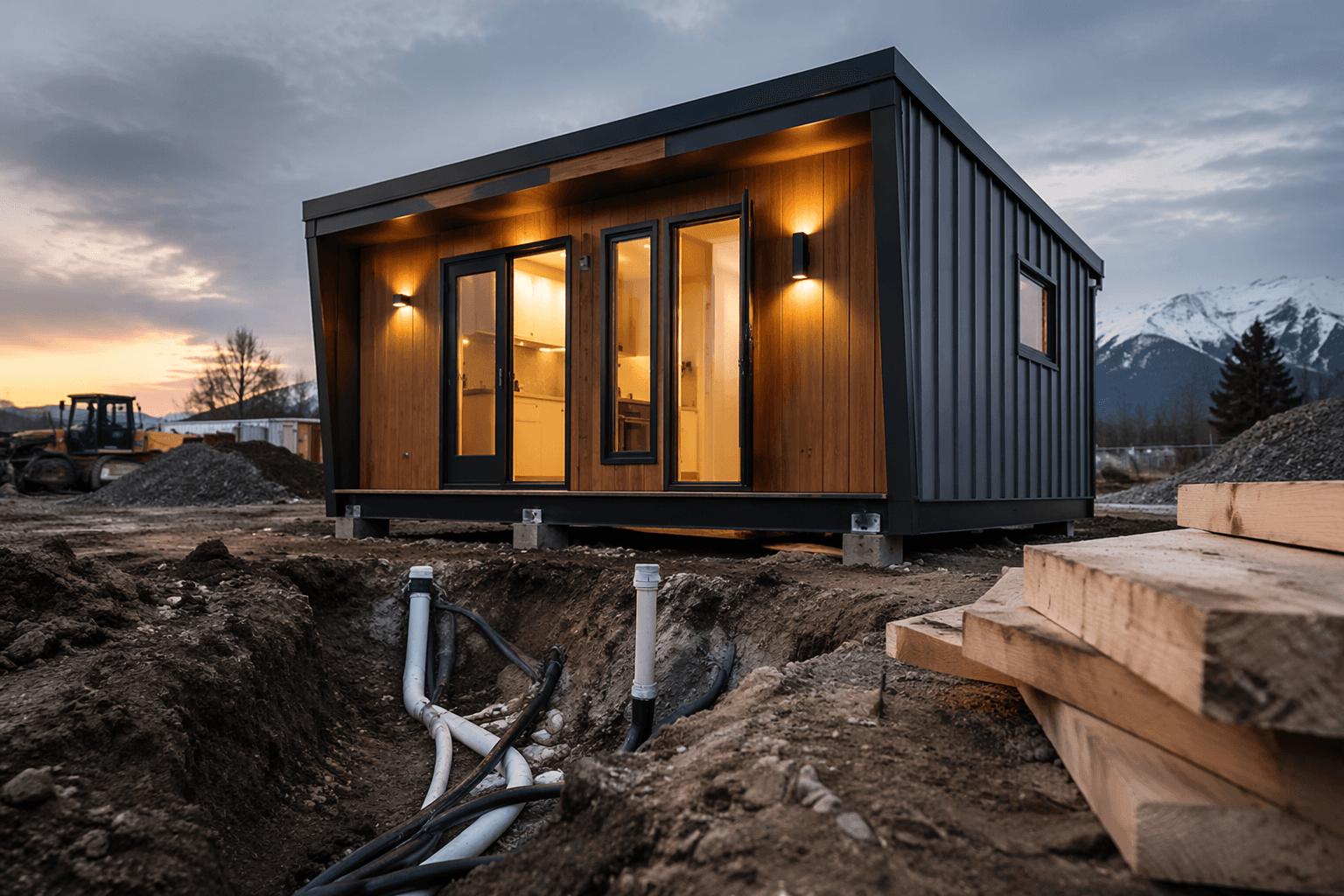
ModularHomes.com pitches tiny homes as affordable, customizable factory-built housing
The $50,000 entry point looks mainstream only if the code, size, and build-time math holds up.
The $50,000 question
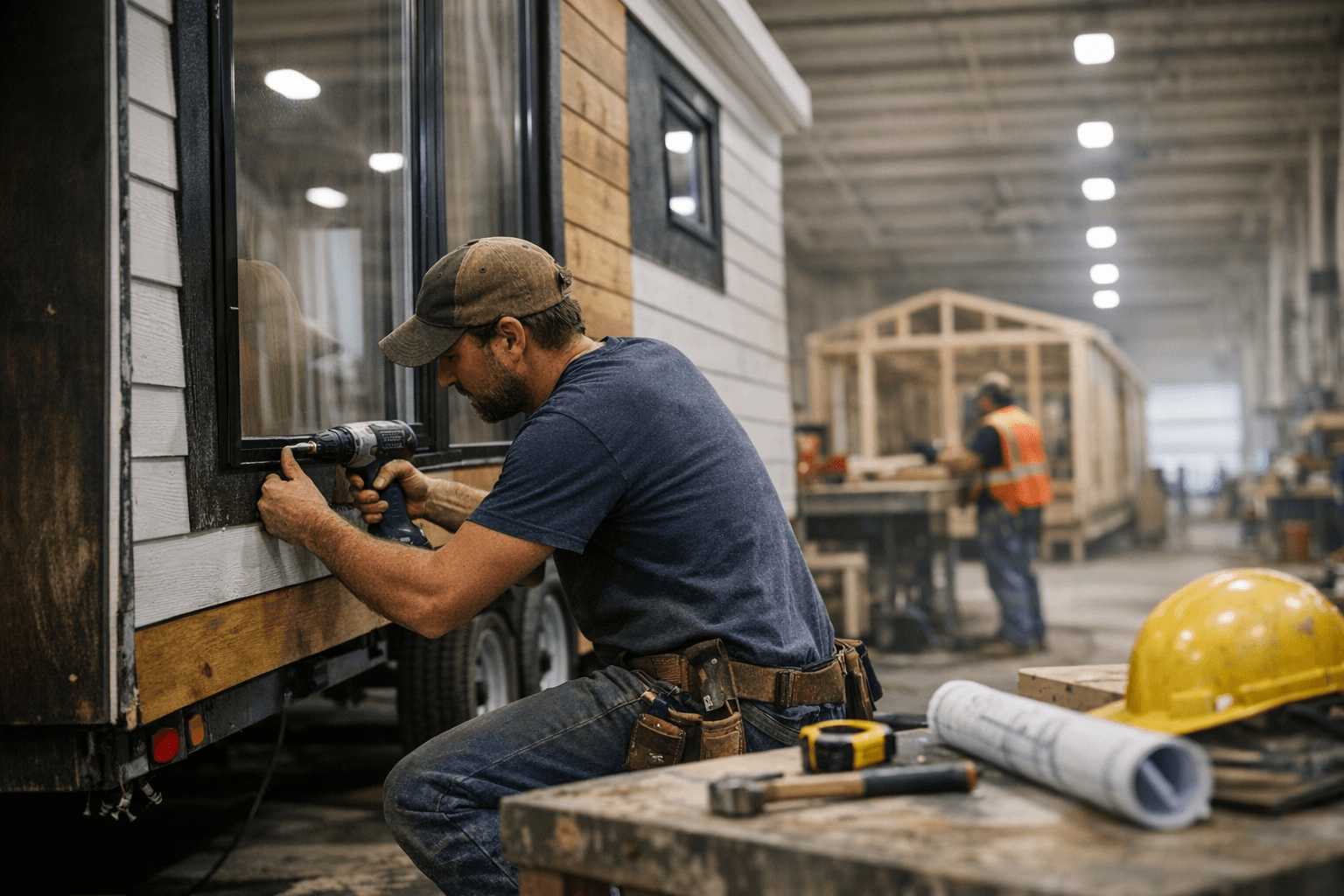
The pitch starts at $50,000, and that is exactly why this story matters. ModularHomes.com is not selling tiny homes as a cute side quest for minimalists, but as a factory-built housing category with a price, a size range, and a delivery timeline buyers can compare like any other home product.
That starting point sounds affordable, but the real test is what sits behind it. On the company’s tiny-homes page, the category is described as floor plans that make every inch count, with an average size range of 250 to 1,000 square feet and an average build time of 4 to 48 weeks. That spread tells you a lot: some units are fast, compact and stripped-down, while others are closer to small conventional homes in both scope and planning.
What the design pitch is really promising
Part of the appeal here is visual, and ModularHomes.com knows it. The page frames tiny homes as part of a growing manufactured-home trend shaped by minimalism, better functionality, and higher-quality materials. It also presents them as one of the latest innovations in modular construction, which is a telling phrase because it places tiny homes inside the broader factory-built conversation instead of outside it.
The design language is doing important work. These homes are often built with fewer walls, big windows, and glass doors so even a unit under 300 square feet can feel bright and open. That is a very different sell from the old image of a cramped cabin or novelty shed, and it helps explain why tiny homes are increasingly marketed as livable, not merely charming.
Customization is another part of the message. The page highlights options such as laundry, closets, extra bookcases, and more windows, which pushes the product away from one-size-fits-all and toward something closer to a menu of factory-built choices. In tiny-house terms, that is a big deal, because the line between a clever layout and a genuinely functional home often comes down to storage, daylight, and whether the plan fits real daily life.
What $50,000 does, and does not, buy
A $50,000 starting price is a market signal, but it is not the full bill of ownership. At that level, buyers still need to think about finishes, utilities, site prep, delivery, and whether the home is meant for permanent housing, seasonal use, or something in between. The broad size range, from 250 to 1,000 square feet, suggests that the entry price can cover a lot of different product types, from bare-bones starter units to much more complete builds.
The build-time estimate matters just as much. Four weeks is a very different promise than 48 weeks, and that gap reflects how customized tiny homes can be. If the product is being pitched as practical housing, then time to delivery becomes part of the affordability story, because holding costs, land readiness, and financing all shape what the final purchase really costs.
Where the code lines start to matter
This is where the tiny-home conversation stops being purely aspirational. Under HUD materials, a manufactured home is transportable housing that is at least 400 square feet when erected on site and built to federal manufactured-home standards. HUD’s Office of Manufactured Housing Programs enforces the construction, safety, and installation standards that protect manufactured-home residents, and HUD homeowner resources note that homes are inspected at various stages of production by a HUD-approved inspection agency.
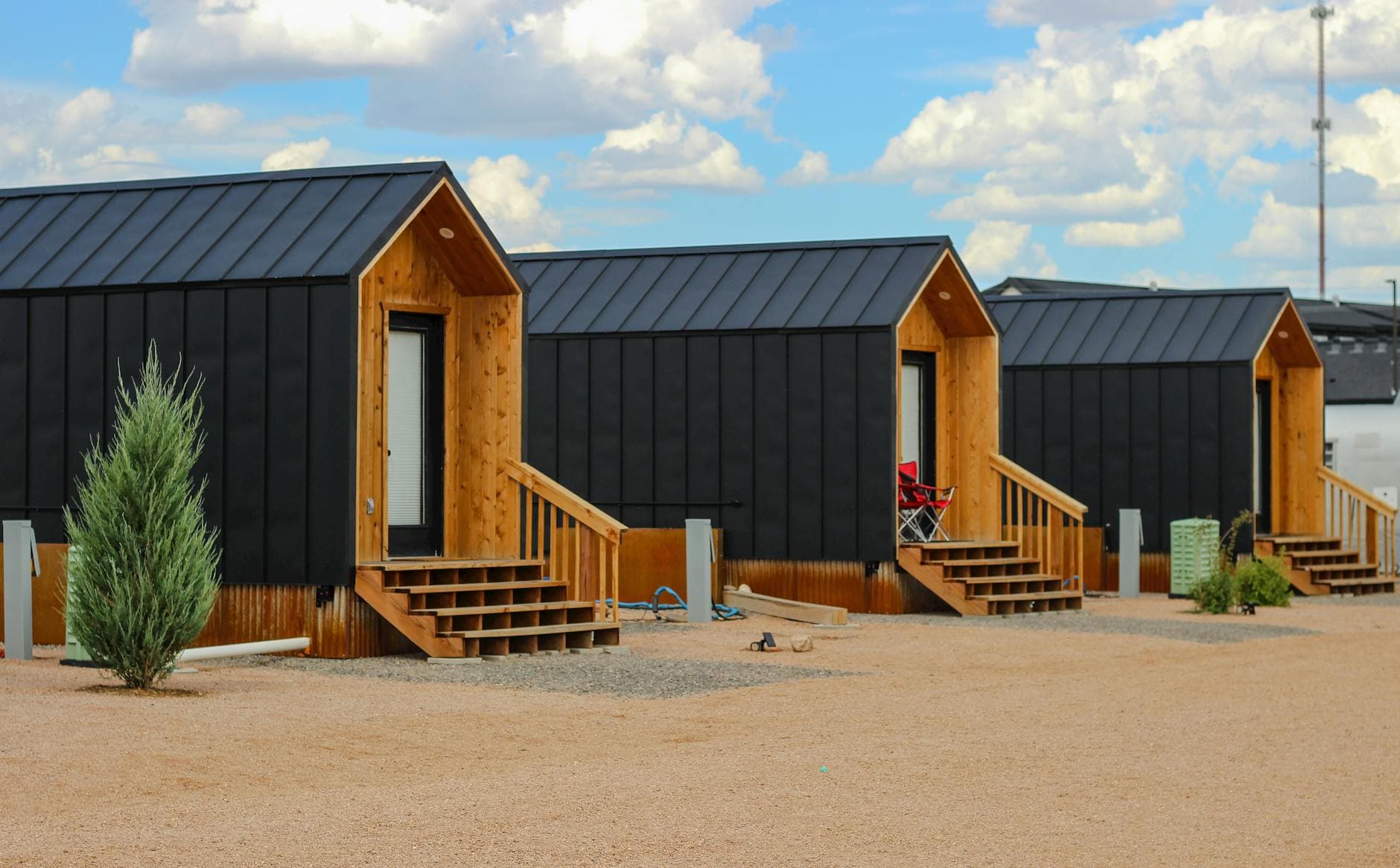
That definition matters because many tiny homes fall below the 400-square-foot threshold and therefore do not fit neatly into the manufactured-home category. In practice, that leaves a lot of tiny homes living in the seams between housing types, especially when they are marketed alongside modular homes and park model units. The terminology is not just semantics; it shapes how a unit is built, sold, sited, financed, and regulated.
Park models sit in a similar gray zone. The RV Industry Association says park model RVs are capped at 400 square feet in setup mode, and guidance for ANSI A119.5 park model RVs says they are not for primary residence or permanent occupancy. That means a tiny home in the 394- to 465-square-foot range can land in very different regulatory territory depending on how it is built and how it is intended to be used.
The listings show how blurry the boundary is
ModularHomes.com’s own listings make the overlap obvious. The site features park model and tiny-home examples from builders such as Mobile Home Masters, Homes Direct, Luxury Homes Springville, and Garland’s Luxury Tiny Homes, with homes around 394 to 465 square feet. That range is right on the edge of the 400-square-foot park-model ceiling, which is why one listing can look like a tiny house, a park model, or a factory-built micro-home depending on the label attached to it.
For buyers, that matters more than ever. A home at 394 square feet sits just under the park-model limit, while a 465-square-foot unit pushes beyond it. Those numbers are small on paper, but they can change the entire ownership experience, from placement rules to whether the home is treated as a residence or as a recreational vehicle product.
Why the market is paying attention now
The housing backdrop gives this category more weight than it used to have. AARP’s 2024 Home and Community Preferences survey found that 75% of adults age 50-plus want to remain in their current homes, 73% want to stay in their communities, and 44% say a move is inevitable. That is a powerful combination: a strong desire to age in place, paired with the reality that housing costs and housing design are forcing change.
Tiny homes speak directly to that pressure. They can be pitched as an affordable downsizing option, a land-flexible solution, or a backup housing plan for people who want to stay rooted without carrying the footprint of a larger house. The off-grid angle widens the appeal further, since ModularHomes.com says these homes can be set up with custom electric and water packages for remote living or other land-use scenarios.
The wider factory-built market also shows movement, even if it is still niche. The National Association of Home Builders reported that 28,000 single-family units were built using modular and panelized or pre-cut methods in 2024 out of 1,019,000 total single-family completions, about a 3% share. Separately, the Manufactured Housing Institute said December 2024 manufactured-home production rose 11.3% year over year and full-year production rose 15.9%, which points to steady momentum in the broader manufactured-housing world.
That is the real story behind ModularHomes.com’s tiny-home push. The category is being packaged less like a novelty and more like a standardized, searchable, specification-heavy housing product, with clear numbers for price, square footage, build time, and features. If tiny homes are going mainstream, it will not be because they became cute enough for the feed. It will be because buyers can finally compare them like serious housing, and the market is learning to speak that language.
This article was produced by Prism’s automated news system from verified source data, official records, and press releases, then run through automated quality and moderation checks before publishing. The system is built and supervised by the people who set the standards it runs under. Read our full AI policy.
Did this article answer your question?