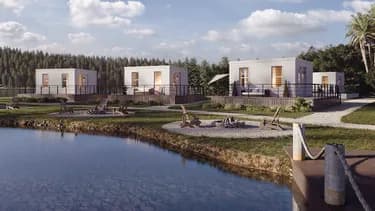
MICROHOME 10 spotlights tiny homes as climate-ready design laboratories
MICROHOME 10 shows tiny homes shifting from novelty to climate testbed, with 25 m² off-grid concepts built for floods, cold, and denser cities.
Tiny homes are being treated like serious climate hardware
A €100,000 prize fund and a 25-square-meter cap turned MICROHOME 10 into something bigger than a style exercise. Buildner and Kingspan used the competition to frame tiny-scale housing as a real design lab, where off-grid living, material intelligence, and climate adaptation are tested under pressure rather than admired from afar.
That matters because the brief was not abstract. Entrants had to imagine an off-grid modular dwelling for a hypothetical young professional couple, which is exactly the kind of constraint that forces useful ideas out of a concept sketch and into the real world. Once you strip a home down to 25 square meters, every decision starts to matter: structure, energy, storage, resilience, and whether the thing can actually work in bad weather, not just in a render.
Why the brief is the point, not just the results
The power of MICROHOME 10 is in how tightly it links tiny-home design to the problems housing has to solve next. Buildner says the competition continues to push small-scale living through innovation, sustainability, and material intelligence, and that framing is important because it moves the conversation away from novelty and toward performance.
The competition also drew proposals from architects and designers around the world, which gives the results real value as a barometer. When people from different climates and design cultures all respond to the same 25-square-meter brief, you get a useful snapshot of where compact housing ideas are heading. In this case, the answers keep circling back to the same pressures: lower operational energy use, modular construction, and homes that can survive harsher conditions without becoming expensive to build or run.
The ideas that actually translate into tiny-home builds
The most interesting part of MICROHOME 10 is not whether a project looks futuristic. It is whether the thinking behind it could migrate into hobbyist builds or commercial products in the next few years. The strongest ideas in the results page are the ones that solve a recognizable problem with a buildable strategy.
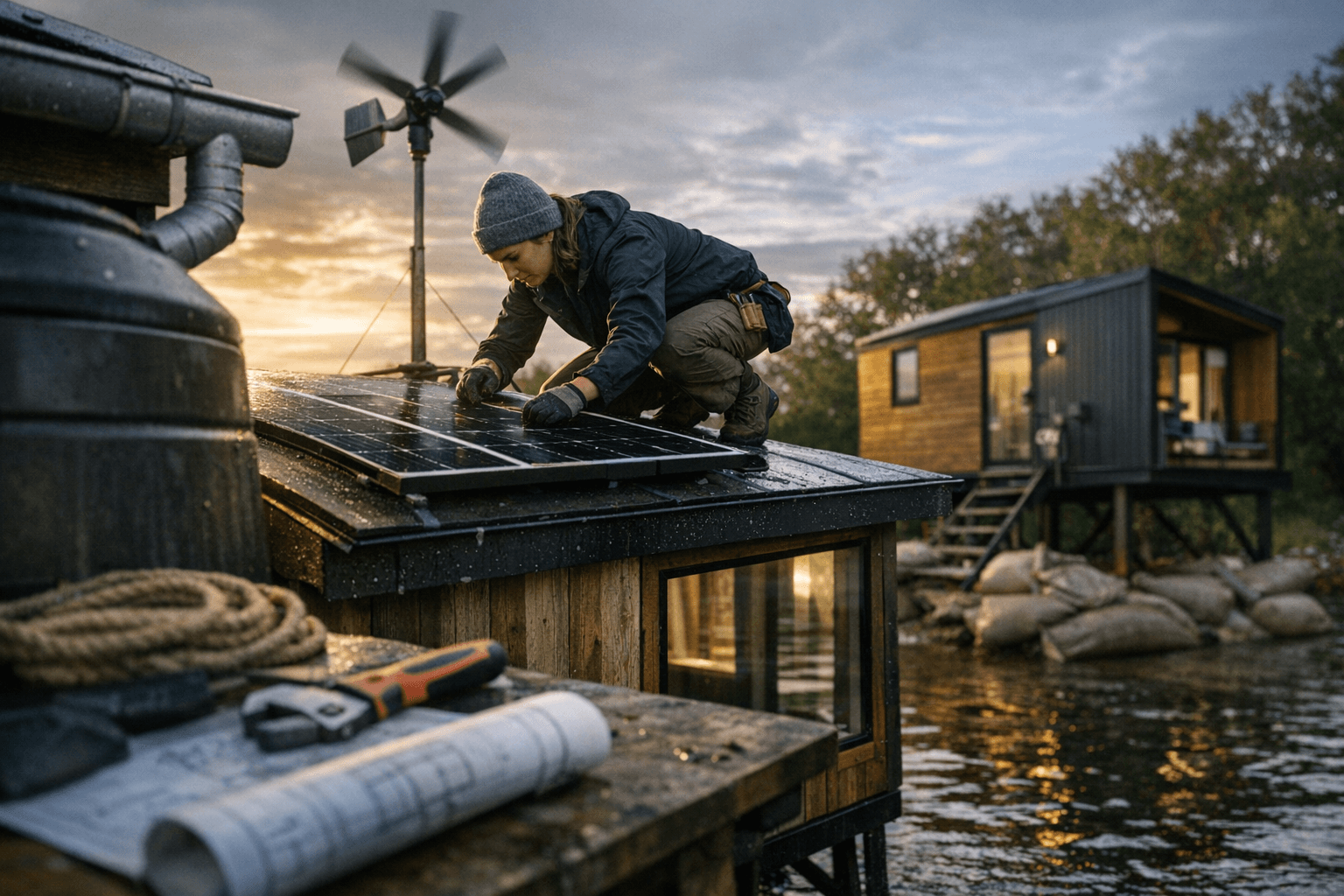
Several proposals focused on amphibious systems for flood-prone regions. That is not just a theoretical gesture anymore, especially as more buyers and municipalities think about homes that can tolerate water instead of simply fighting it. A tiny home that can rise with floodwater, or be detailed to recover after inundation with less damage, is the kind of concept that could influence everything from foundation kits to modular utility hookups.
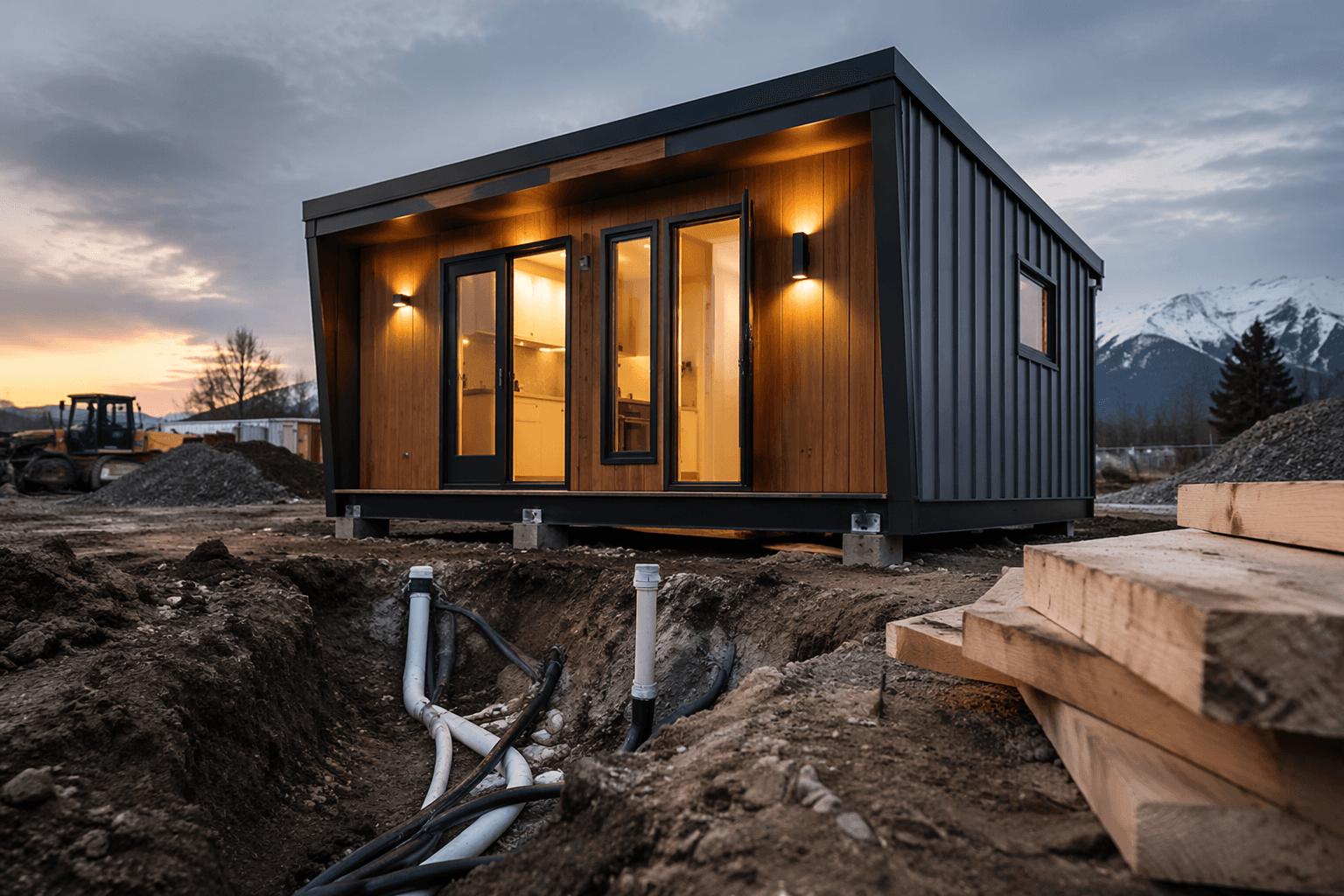
Other entries leaned into cold-climate modular design, which is where a lot of tiny-house projects quietly fail in practice. Small volumes are easier to heat, but they are also easier to overcomplicate with thermal bridges, condensation problems, and awkward service runs. The competition’s cold-weather thinking suggests a future where compact homes borrow better envelope strategies from prefab and industrial building, rather than relying on romantic cabin logic.
Dense urban infill solutions were another clear thread. That is where tiny homes start to look less like lifestyle accessories and more like practical housing units that can slot into gaps in existing cities. If the design can work on a constrained site, with tight setbacks and infrastructure pressure, it has a much better chance of becoming a product line instead of a one-off showpiece.
What climate-ready tiny homes need to get right
The competition keeps returning to climate resilience, and that is the right lens. A tiny home only stays appealing if it remains comfortable and usable in real conditions, which means the envelope, structure, and service systems have to work hard without bloating the footprint. Lower operational energy use is not a marketing line here, it is the difference between a compact home that feels smart and one that becomes expensive fast.
Modularity is equally important. MICROHOME 10 highlights flexible models that can evolve with families and communities over time, and that is the piece most tiny-home brands still underplay. A fixed 25-square-meter shell is useful, but a home that can be expanded, reconfigured, or paired with adjacent modules has a much stronger case in both owner-built and developer-led settings.
There is also a cultural side to this that matters more than people admit. Buildner’s framing points to culturally responsive design, which is a reminder that small homes are never just technical objects. The best compact housing respects how people cook, store gear, receive guests, work from home, and adapt to seasonal change, all inside a very tight floor plan.
What to watch for if you build, buy, or spec tiny homes
If you are looking at MICROHOME 10 as more than a competition, the practical takeaway is simple: the next wave of tiny homes will likely be judged less by charm and more by systems thinking. The winning ideas are the ones that can survive floods, cold snaps, and urban density without losing the efficiency that makes small homes attractive in the first place.
The most promising features to watch for are:
- Amphibious or flood-tolerant foundations that reduce damage in risky sites
- High-performance modular envelopes that cut heat loss in cold climates
- Flexible interior layouts that can change as household needs change
- Compact service cores that make off-grid operation more realistic
- Materials and assemblies that simplify maintenance, transport, and repeat production
Kingspan’s involvement gives the whole exercise an extra layer of relevance because it ties the competition to the material and envelope side of the industry, where real product shifts happen. That is where tiny-home ideas usually either stall or scale. If a concept can become a repeatable assembly, a better insulation system, or a smarter modular wall build-up, it can move from competition board to workshop, factory, or housing site.
Why this competition matters beyond the renderings
MICROHOME 10 is a reminder that the smallest homes are often where the biggest ideas get tested first. A major architecture competition is now treating tiny housing as a serious design laboratory, not a side genre, and that says a lot about where the market and the climate conversation are converging.
For tiny-home builders, prefab developers, and anyone watching housing policy, that shift is the real story. The point is no longer whether a 25-square-meter dwelling can be cute. The question is whether it can be dignified, efficient, climate-ready, and adaptable enough to earn a place in the next generation of housing.
This article was produced by Prism’s automated news system from verified source data, official records, and press releases, then run through automated quality and moderation checks before publishing. The system is built and supervised by the people who set the standards it runs under. Read our full AI policy.
Did this article answer your question?