Tiny Life promotes certified tiny homes, financeable communities, and village living
Tiny Life is turning tiny living into a financeable ownership path, with HUD-coded homes, village communities, and a Spring 2026 debut at Peaceful Meadows.
Tiny Life shifts the tiny-house pitch from lifestyle to ownership
Tiny Life is making a clear argument that tiny homes should not be treated as novelty builds or one-off experiments. The company is selling a pathway into certified, financeable, community-based living, with a footprint that reaches North Carolina, Georgia, South Carolina, and Tennessee. That approach matters because it puts legal placement, lending access, and neighborhood structure at the center of the tiny-home conversation instead of leaving buyers to solve those problems on their own.
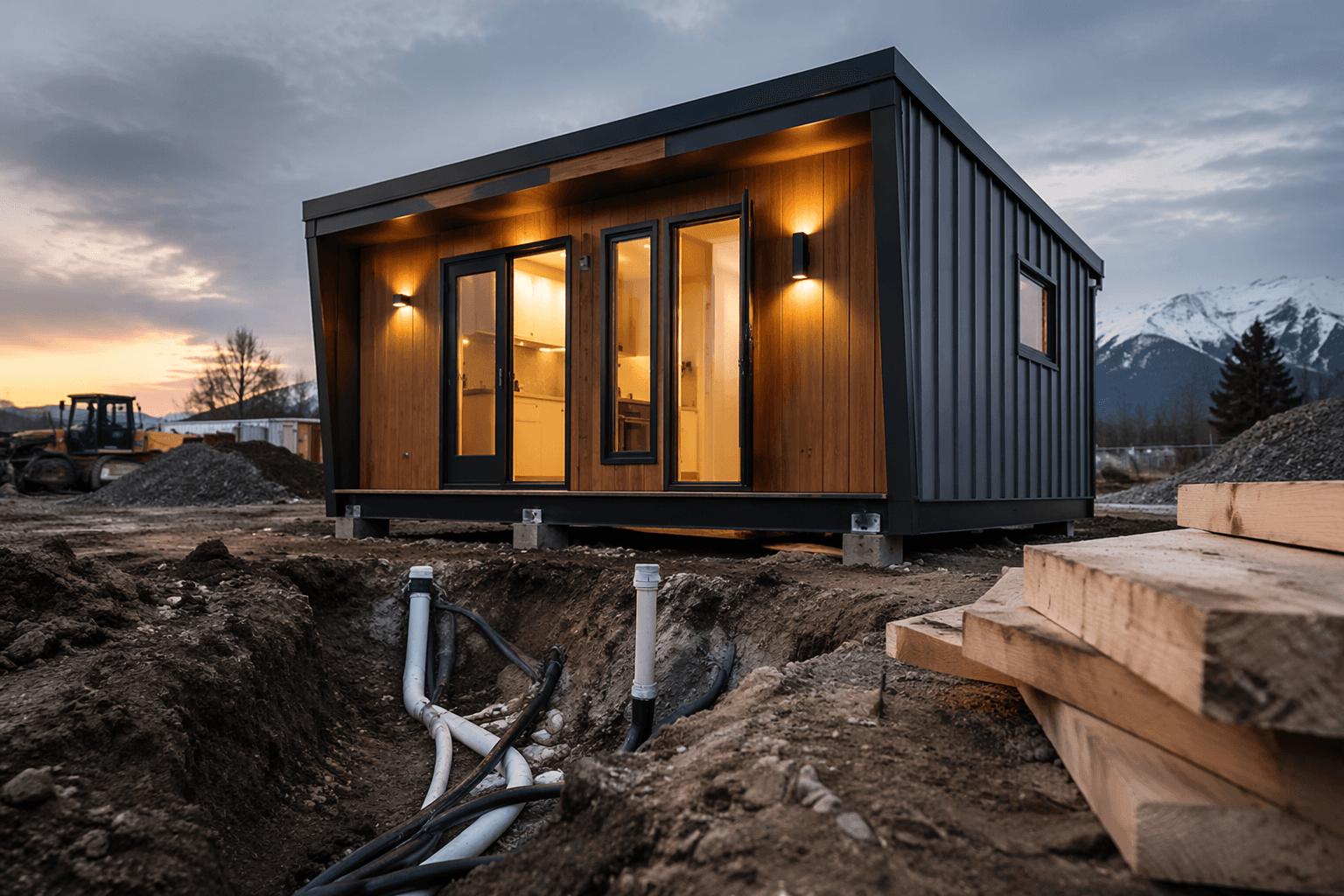
The company’s mix of HUD-coded tiny homes and ANSI A119.5 RV park model homes is the core of that strategy. In practical terms, certification is what separates a compact home that can fit into a conventional housing path from a unit that may face limits on where it can go, how it can be financed, and how easily it can be resold later. Tiny Life is clearly betting that buyers want the comfort of a smaller footprint without giving up the basics that make ownership feel real.
Why certification changes the game
HUD’s manufactured housing program is the federal system that enforces construction and safety standards, installation standards, and dispute resolution for manufactured housing. The federal standard in 24 CFR Part 3280 is built around quality, durability, and safety, which is exactly why the label matters for buyers trying to move beyond informal tiny-house setups. Once a home is built to those standards, it becomes easier to think about land use, compliance, and resale in a more traditional way.
Financing is the other major pressure point, and it is one Tiny Life is trying to address head-on. HUD says FHA Title I loans can finance a manufactured home, a manufactured-home lot, or both, which gives certified homes a clearer route into lending than many DIY or nonstandard builds. For people who have been stalled by cash-only purchases or unclear land placement, that is a major shift in what tiny ownership can look like.
The product lineup is built for buyers, not just dreamers
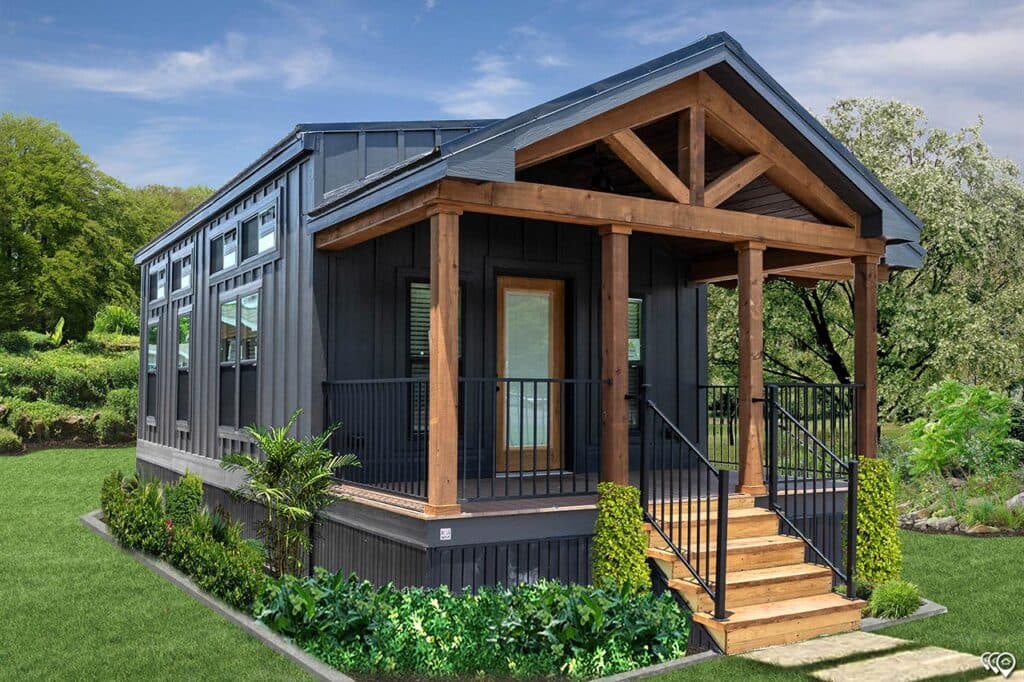
Tiny Life is not just talking about certification in the abstract. Its current lineup includes new HUD-coded tiny homes, with specific models and price points that make the sales pitch concrete:
- Cozy Cabin 1 at $129,900 for 480 square feet
- Cozy Cabin XL at $159,900 for 690 square feet
- Cavco Wedge starting at $129,900
- Urban starting at $79,900
Those numbers tell you exactly who the company is targeting: buyers who want a smaller home, but still want something that looks and feels like a purchase with defined specs, known costs, and a clearer path to placement. The emphasis on multiple model types also suggests Tiny Life is trying to serve both first-time tiny-home buyers and shoppers looking for a more polished upgrade.
Peaceful Meadows is the real test case
The most important proof point in the company’s current push is Peaceful Meadows Tiny Life Village in Franklin, North Carolina. Tiny Life describes it as its newest village, and the plan is sizable: 78 homesites spread across almost 29 acres just outside Franklin. The company says the grand opening is expected in Spring 2026, which gives the project a real timeline instead of a vague concept phase.
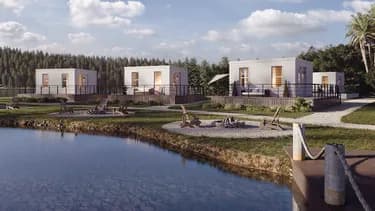
Peaceful Meadows also shows how Tiny Life wants the tiny-home experience to function in practice. It is described as a private, gated, resort-style community and, just as importantly, as a deeded-land tiny home community. That distinction matters because deeded land changes the ownership story from temporary placement to a more permanent stake in the community. The FAQ also says 16 turnkey homes are already available for sale, meaning this is not only about empty lots and future plans. It is an active sales pipeline tied to a built-out neighborhood model.
For buyers, that combination is the headline: 78 sites, deeded land, turnkey homes, and a Spring 2026 opening window. It is the kind of concrete development tiny-house readers have been waiting for because it moves the discussion from aspirational living to the mechanics of actual ownership.
Sugar Mill Creek shows the broader pattern
Peaceful Meadows is not an isolated experiment. Tiny Life points to Sugar Mill Creek at Lake Burton in Georgia as another example of the same village-based model. That community is described as a private, gated, resort-style setting with 51 park model tiny-home sites on a 12-acre property near Lake Burton. Tiny Life says the community is complete, the amenities are in place, and only a handful of lots remain to lease.
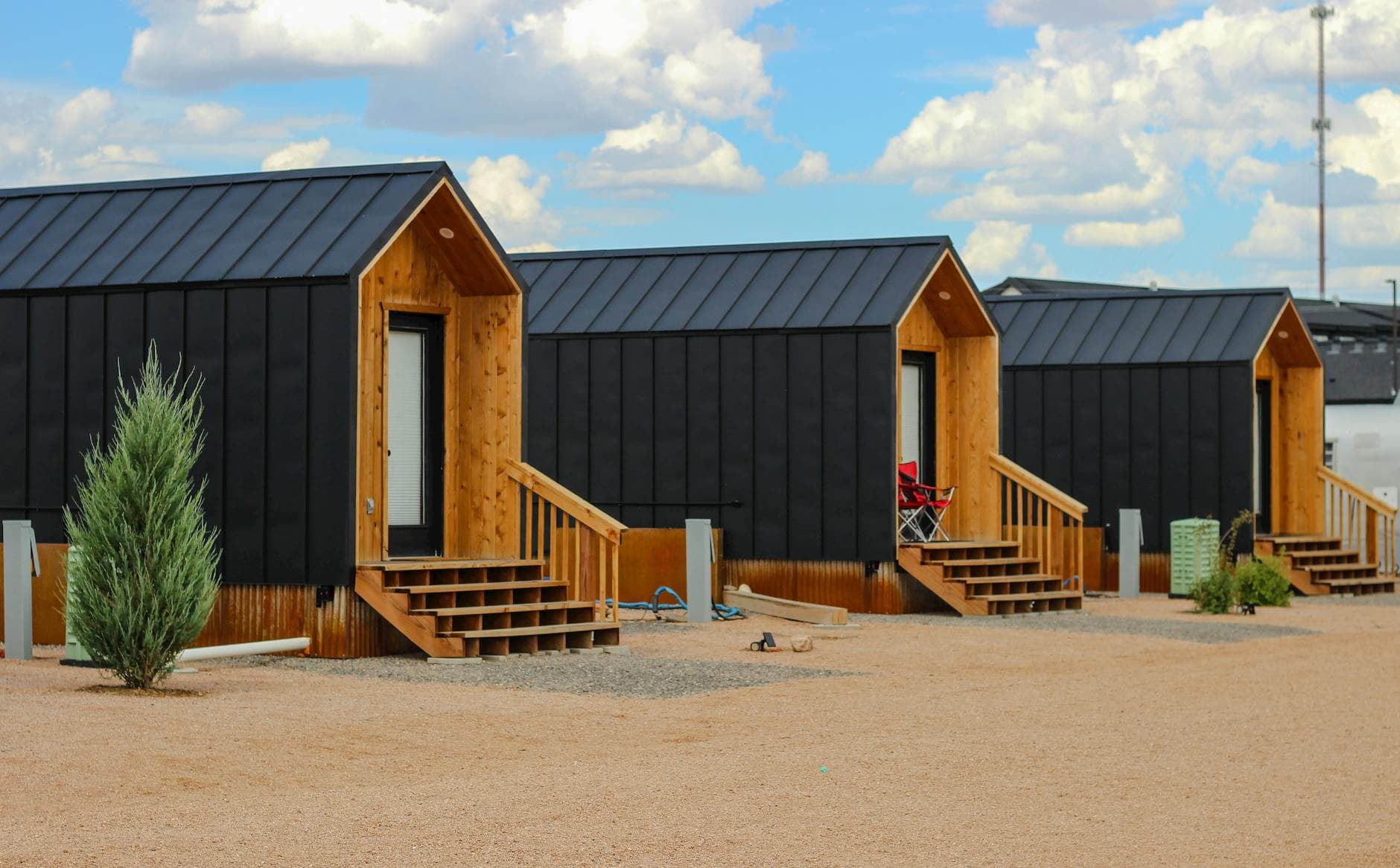
The amenity structure reinforces the point. Sugar Mill Creek’s standard services include water, septic, trash service, common area landscaping, and amenity maintenance. That is a reminder that tiny living is increasingly being sold as a managed neighborhood experience, not just a standalone unit dropped onto a parcel. For many buyers, that package may be the difference between a home that feels manageable and one that feels improvised.
Local rules still decide what tiny living can be
Even with stronger product standards and community options, local zoning still shapes what buyers can actually do. Raleigh’s tiny-home permitting guidance says manufactured-home tiny homes are allowed in certain zoning districts and are limited to 600 square feet there. That is a useful benchmark because it shows how the same home can face very different outcomes depending on where it lands.
This is where Tiny Life’s emphasis on certification becomes especially important. If a tiny home is built to recognized standards and paired with a community that already understands placement, the buyer is no longer starting from zero with every county office or lender. The company’s model is built around reducing that friction, which is exactly what many would-be owners need if tiny homes are going to scale beyond custom one-offs.
The bigger story is not just smaller homes, but a more complete system
What Tiny Life is offering is not simply a product line. It is a housing ecosystem built around certified construction, financeable homes, and village-style communities where the land, the home, and the support services are all part of the same sales conversation. That is why Peaceful Meadows matters so much: it is the clearest test of whether this model can work at real scale.
If the Spring 2026 opening lands as planned, Peaceful Meadows will stand as a strong example of how tiny homes are evolving in the Southeast. The story is no longer just about living small. It is about whether tiny homes can finally become a mainstream housing option with legal placement, usable financing, and a place to belong.
This article was produced by Prism’s automated news system from verified source data, official records, and press releases, then run through automated quality and moderation checks before publishing. The system is built and supervised by the people who set the standards it runs under. Read our full AI policy.
Did this article answer your question?