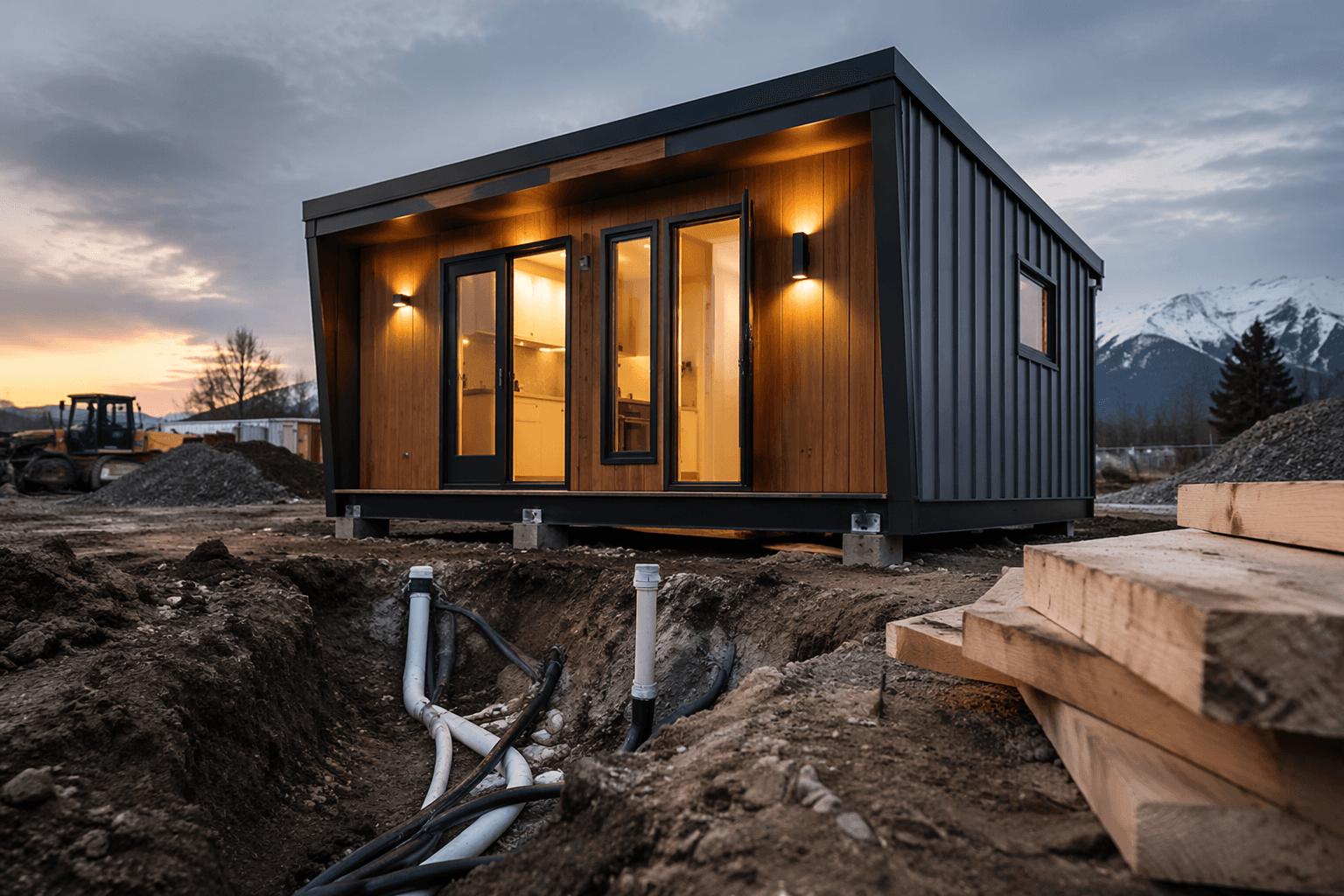
New Orleans trainees build tiny house for transitional housing
NOCC trainees turned a 288-square-foot courtyard build into code-compliant transitional housing for Bywater, handing it to Thrive New Orleans on June 11.
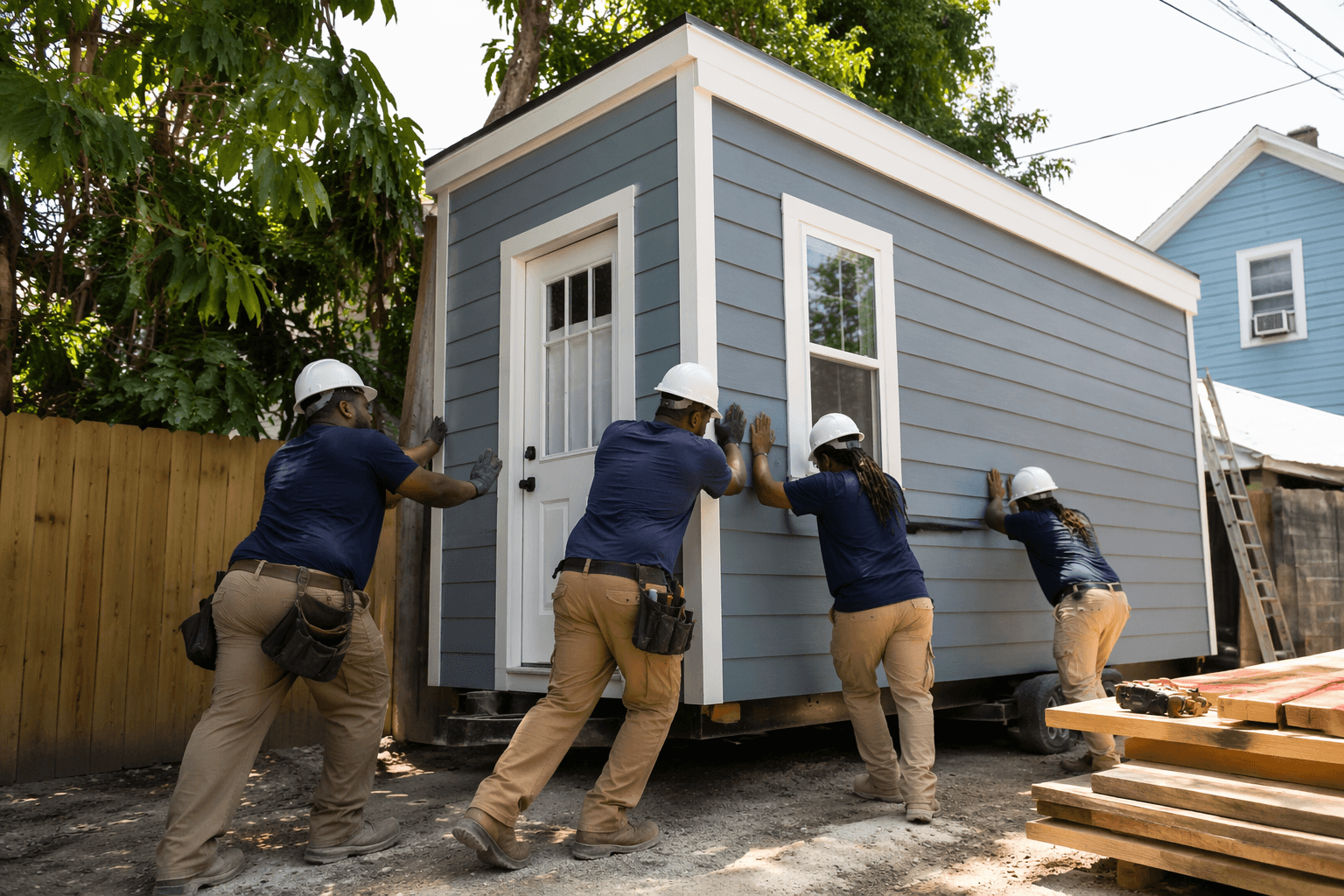
A 288-square-foot tiny house built by New Orleans Career Center trainees moved from classroom exercise to real housing on Thursday, June 11, when the unit was turned over to Thrive New Orleans for use as transitional housing in Bywater. The house was fully code-compliant, and the handoff marked the end of a nine-month build in the center’s collaborative courtyard.
For many of the high school students and young adults who entered NOCC’s Building Trades program last August, the project began with basic first steps: learning how to handle a drill, read a blueprint, and work on a construction site. By the time the house was complete, trainees across multiple construction pathways had framed the structure, wired lights and outlets, installed an HVAC system, and finished a gabled shingle roof. The build turned out to be both a working house and a live test of the school’s trades curriculum.
NOCC Chief Operating Officer Harold Juluke framed the project as a direct exchange between training and service, since students gained real-world credentials while helping create a home for someone in need. Thrive New Orleans Executive Director Chuck Morse said the unit was more than a structure, because it offered a path forward for people rebuilding stability while working toward employment and permanent housing.
The handoff also fit a larger labor picture in Louisiana. Leaders for a Better Louisiana projected that six major industrial megaprojects could peak at 20,500 construction workers in late 2026 and early 2027, a level that would amount to nearly one-quarter of the state’s current industrial construction workforce. That demand gives NOCC’s tiny-house project more weight than its footprint suggests: it is shelter, but it is also a pipeline into the trades.
NOCC has been growing into that role. The center said enrollment had risen from roughly 100 trainees in its early days to about 800, with just over 200 people on campus on a typical weekday. Its Building Trades program says high school trainees earn credits through half-day training, while adult offerings run from eight weeks to 10 months and include on-the-job training. Some pathways can also lead to apprenticeships.

Thrive New Orleans plans to move the house to its Bywater property and use it for participants in its own workforce training program, extending the life of a small build that started in a courtyard and ended as a housing asset with a second job to do.
This article was produced by Prism’s automated news system from verified source data, official records, and press releases, then run through automated quality and moderation checks before publishing. The system is built and supervised by the people who set the standards it runs under. Read our full AI policy.
Did this article answer your question?