Off-grid tiny house in Arkansas uses hemp materials and solar power
Little Rock’s 300-square-foot off-grid tiny house shows how hemp insulation, solar power, and a real kitchen can make small living feel fully usable.

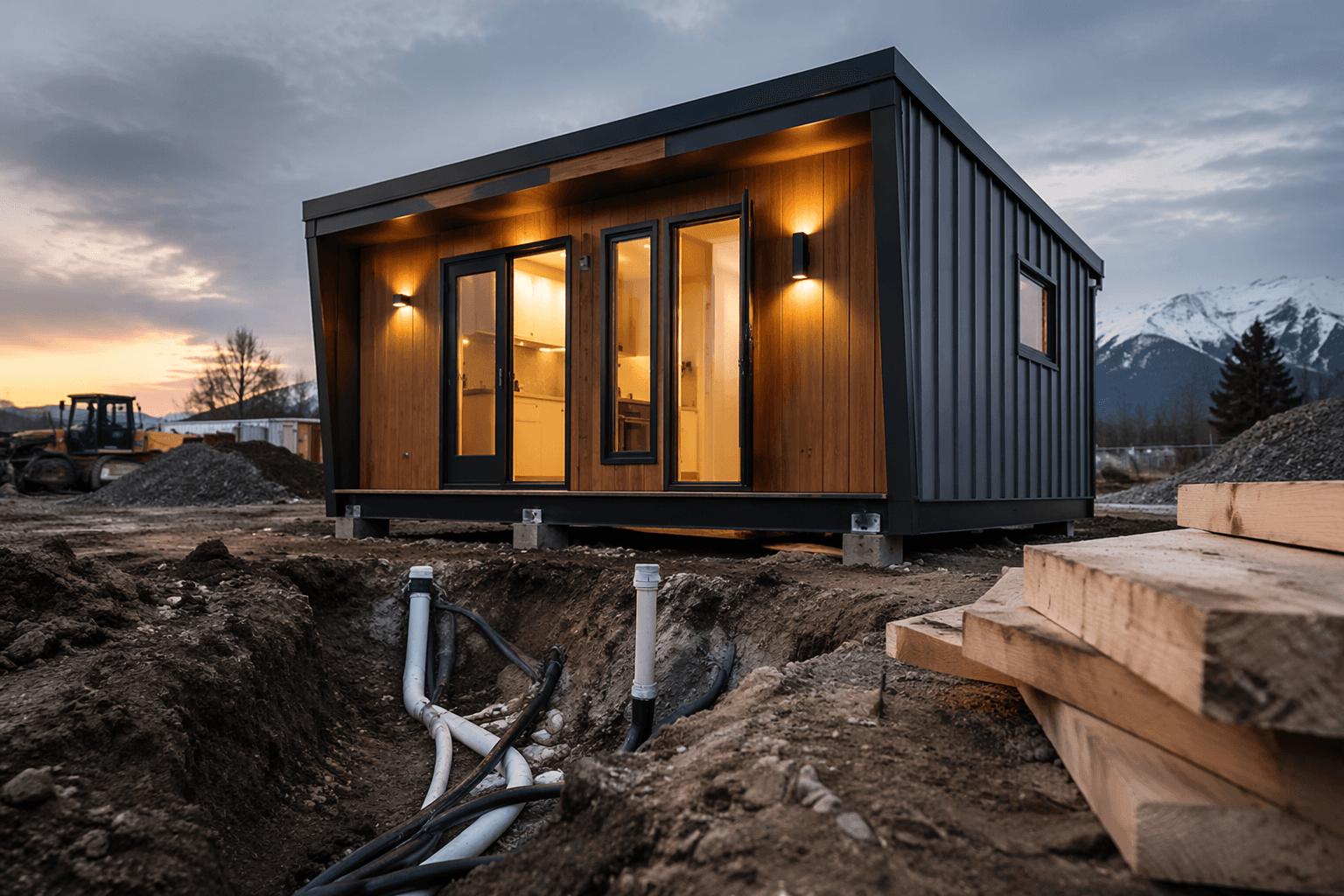
A 24-foot tiny house in Little Rock is making a straightforward case for off-grid living that does not feel stripped down. The 300-square-foot, one-bedroom build pairs hemp-based materials and solar power with a layout that still supports everyday cooking, sleeping, and cooling, and it is listed at $86,000.
A compact shell built for real use
The structure leans on durability first. It sits on a full steel trailer frame and is wrapped in metal cladding, which gives the home a tougher exterior than many novelty tiny builds and fits the industrial edge that often appeals to buyers who want something more permanent in feel. Inside that shell are two lofts, a setup that adds sleeping and storage flexibility without eating into the main floor.
The material story matters here because the home is not trying to sell sustainability as decoration. It uses natural, non-toxic materials, eco-friendly insulation, HempWool insulation, and HempWood flooring, all aimed at creating a healthier indoor environment while helping the home regulate moisture more naturally. HempWool, marketed by Hempitecture, is a hemp-based insulation product made in the USA, and its technical data lists a thermal resistance of about R3.69 per inch while stating that it contains no VOCs.
Why those materials matter in daily life
For full-time living, the practical value of those choices is clearer than the branding. HempWool and HempWood are not just there to signal an eco-friendly lifestyle, they are part of a strategy to reduce indoor toxins, moderate humidity, and keep the house more comfortable in a small footprint where air quality and temperature swings are felt quickly. In a compact home, a few bad material choices can be amplified every day; here, the build leans the other way.
That is also where the off-grid angle starts to make sense. The U.S. Department of Energy has said stand-alone renewable energy systems can be a good fit when grid connection is costly or impractical, and that logic matches the appeal of a tiny house like this one. Off-grid only works when the building package supports it, and this home treats energy independence as part of the core design rather than an add-on.
Solar power is the backbone, not the headline
The roof carries solar panels, and the home is equipped with a 3,200-watt Canadian Solar system. A 6,000-watt Humless hybrid inverter is housed in the utility shed, giving the setup the kind of electrical capacity tiny-house buyers look for when they want a real off-grid system instead of a symbolic one.
Several other details reinforce that this is meant to be lived in, not just photographed. The house includes a lightning protection system, Bluetooth monitoring for the propane tank, and indoor and outdoor Bluetooth audio. Of those, the lightning protection and tank monitoring materially improve day-to-day self-sufficiency, while the audio setup is more of a comfort feature than an independence feature.
The difference between useful off-grid gear and nice-to-have extras
That split is worth keeping in view. The solar array, inverter, lightning protection, and propane monitoring help the home function safely and reliably off-grid. Bluetooth speakers do not change whether the house can be lived in full-time, but the monitoring system does, because it gives the owner a better handle on fuel use and system status.
That distinction is part of why this Little Rock build stands out. A lot of eco branding in the tiny-house market stops at surface-level language, but the pieces that matter here are the ones that affect temperature control, power, moisture, and safety. That is where the build moves from concept to utility.
Inside, the layout is tuned for everyday routines
The interior opens into a compact, cabinesque floor plan rather than a cramped corridor of separate rooms. A mini-split air conditioner, ceiling fan, recessed lights, and USB reading lights help the house function across seasons and around modern device use, while the warm tongue-and-groove shiplap and light wood tones keep the room from feeling cave-like.
The kitchen is lined up in the middle of the layout, which helps the floor plan stay efficient. It includes a granite counter, a flush sink, Kohler fixtures, a refrigerator, a propane stove and oven, and storage above the range. A flip-out dining table by the window saves floor space without eliminating a proper place to eat, which is exactly the kind of small-space choice that matters when a home is intended for full-time use.
What makes it livable, not just efficient
That kitchen setup does more than look tidy. The propane stove and oven support real cooking, the refrigerator gives the home a standard household function, and the window-side table creates a daily-use surface without permanently taking up room. In a 300-square-foot house, those choices matter more than flashy finishes because they determine whether the space can carry normal routines.
The same is true of the cooling and lighting. A mini-split and ceiling fan are not glamorous, but they are the kind of equipment that can make a tiny house feel workable through hot weather and everyday use. Recessed lights and USB reading lights round out the setup without cluttering the room, which is important when every inch has to justify itself.
Arkansas is becoming more relevant to tiny-house buyers
The broader policy picture in Arkansas helps explain why a home like this may draw attention beyond its finishes. The Arkansas Department of Health now explicitly references tiny houses on wheels in rules tied to mobile home and recreational vehicle park review, which signals that small homes are showing up in the regulatory conversation in a more concrete way. That does not erase local hurdles, but it does matter for how these homes are treated in parts of the state.
Arkansas also added momentum on the accessory dwelling unit front when Governor Sarah Huckabee Sanders signed Act 313 in 2025, a law Strong Towns described as a major win for small homes. Even so, Arkansas remains a patchwork state where local zoning, county rules, and city ordinances still shape what can actually be placed where. The net effect is clearer than it was a few years ago, but not simple.
At $86,000, the Little Rock tiny house lands in the zone where buyers can see both the premium and the tradeoffs. It is not the cheapest way to live small, but it is a strong example of how an off-grid build can still deliver a healthy interior, dependable power, and a layout that works when the novelty wears off. That is the real tension this house resolves: self-sufficiency without giving up the daily comforts that make tiny living sustainable in the first place.
This article was produced by Prism’s automated news system from verified source data, official records, and press releases, then run through automated quality and moderation checks before publishing. The system is built and supervised by the people who set the standards it runs under. Read our full AI policy.
Did this article answer your question?