Olympia tiny-home village gets $440,000, future remains uncertain
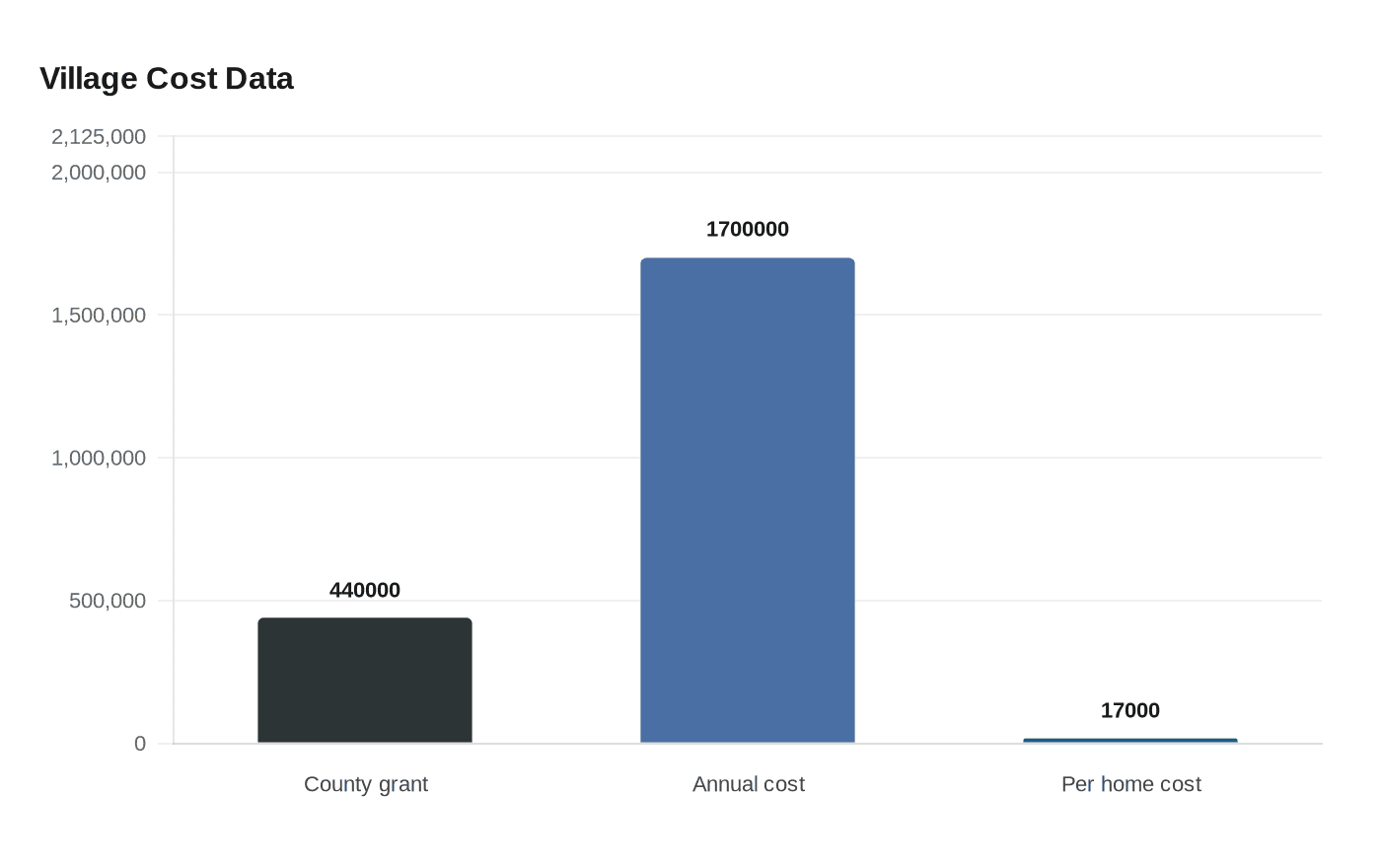
Thurston County put $440,000 behind Quince Street Village, but the 100-home site still faces an uncertain future. The annual bill is about $1.7 million, and closure could send about 100 people back to homelessness.

Thurston County approved $440,000 to keep Olympia’s Quince Street Village open through June 30, buying time for a 100-microhome site whose future still hangs on whether local governments can keep covering its $1.7 million annual operating cost.
That price tag is now the heart of the debate. If the village closed, Regional Housing Council documents warn that about 100 people could be pushed back into homelessness. At roughly $17,000 a year per microhome, the village is expensive to run, but city leaders have argued that it remains cheaper and less disruptive than letting more people cycle through unmanaged camping, emergency rooms, and other crisis systems.
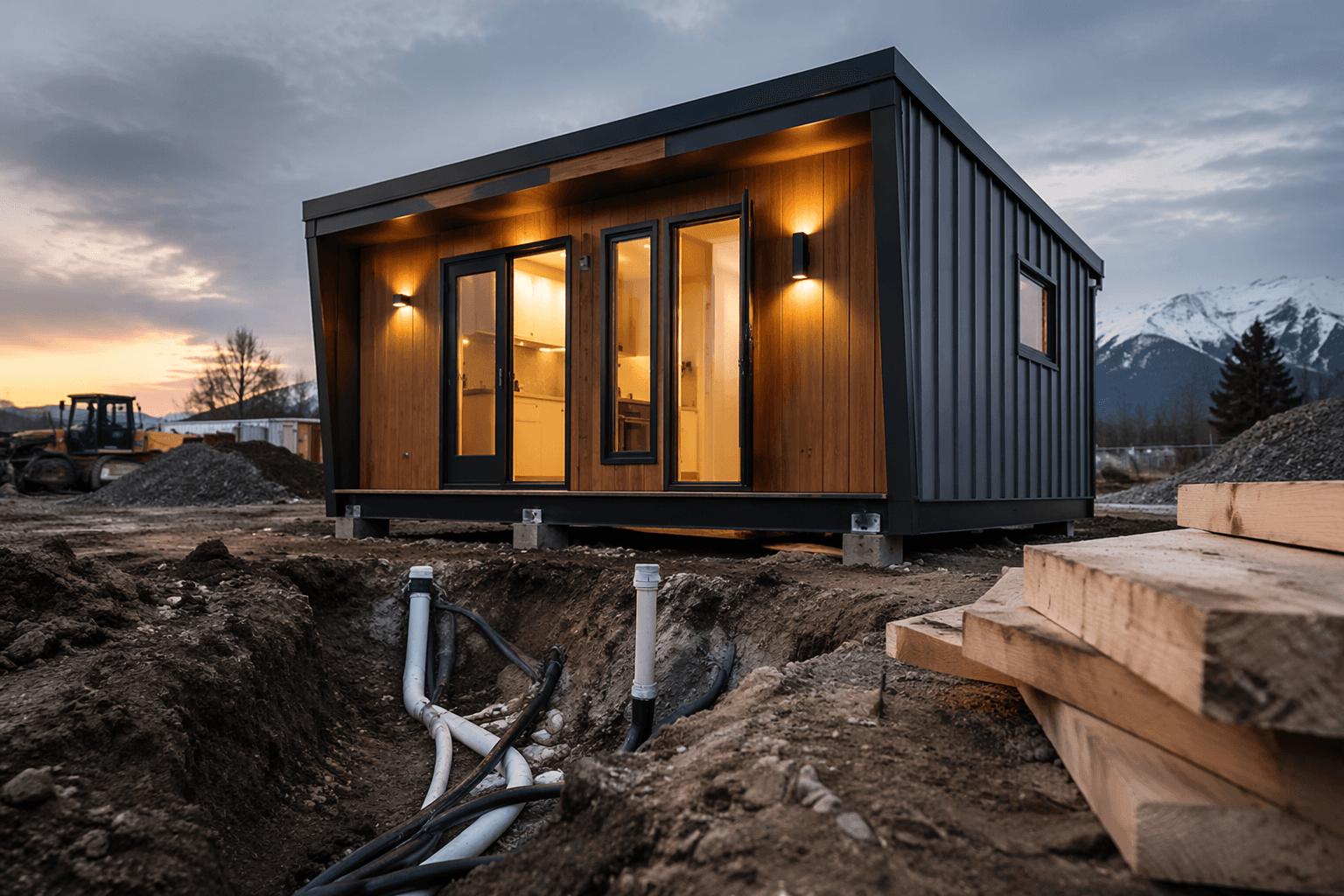
Quince Street Village sits at 1211 Quince St. SE in downtown Olympia and is described by the city as a temporary housing site that helps reduce human suffering and the impacts of unmanaged camping downtown. The microhomes have electricity and heat, and the units are sealed and finished with mold-resistant paint and drywall. Catholic Community Services manages the village, which opened in August 2022 and replaced the Downtown Mitigation Site.
The county money came after the Thurston Regional Housing Council recommended the $440,000 allocation to sustain operations through June. The approval shows that county and city leaders still see the village as part of Olympia’s homelessness response system, not as a short-term experiment that has already run its course. Olympia says Quince Street Village is one of two tiny-home villages in the city, alongside Franz Anderson Village.
The site’s history explains why the funding question matters so much. City materials say the project was intended to move people from the Downtown Mitigation Site near the Intercity Transit station, and earlier reporting described the village as a temporary 100-unit housing site. What began as a fast way to get people indoors has become a test of whether tiny-home villages can survive once the construction phase ends and the real cost shifts to staffing, utilities, and ongoing services.
For now, the county’s $440,000 contract keeps the lights on at Quince Street Village. It does not settle the larger question: whether Olympia can keep paying for a model that delivers immediate shelter, but depends on recurring public money to stay open.
This article was produced by Prism’s automated news system from verified source data, official records, and press releases, then run through automated quality and moderation checks before publishing. The system is built and supervised by the people who set the standards it runs under. Read our full AI policy.
Did this article answer your question?