Seattle’s Capitol Hill tiny house village sparks neighborhood backlash
Capitol Hill is balking at a 32-tiny-house village on Belmont Avenue, even as the city pushes 1,000 new shelter and emergency housing units this year.

Capitol Hill’s latest tiny-house fight landed on a 4,300-square-foot Belmont Avenue lot just off E Olive Way, and the pushback exposed the neighborhood contradiction in plain view. The Low Income Housing Institute plans a 32-tiny-house emergency transitional encampment there, with early drawings showing a gridded layout, a group kitchen, laundry facilities, a hygiene trailer, a security shack at the Belmont entrance, and 8-foot cedar fencing.
The site already carries a heavy backstory. It once held the Granberg Apartments, which were demolished after the property was acquired so the Downtown Emergency Service Center could move ahead with a planned 120-unit supportive housing building with onsite services. Now the same block is being asked to absorb another concentrated housing and shelter use, and some neighbors are objecting to what they see as the wrong fit for a dense corridor that has already changed fast.
The complaints are not coming from a neighborhood that has been uniformly anti-services. Capitol Hill has long styled itself as progressive, and city planning materials for both Capitol Hill and First Hill say the area needs supportive services for unhoused people. But the same planning feedback also described a neighborhood under strain: a vibrant small-business culture, displacement pressure, public-restroom shortages, and visible mental-health and substance-use issues. That mix is driving the backlash as much as the village itself.
Seattle is moving on a much larger shelter push at the same time. Mayor Katie B. Wilson issued an executive order in January 2026 to speed shelter and affordable housing creation, then followed it with a March 4 package aimed at opening 1,000 new shelter and emergency housing units in 2026. City lawmakers are also weighing rules that would raise the legal limit for transitional encampments to 150 residents and allow one interim-use village with as many as 250 residents.
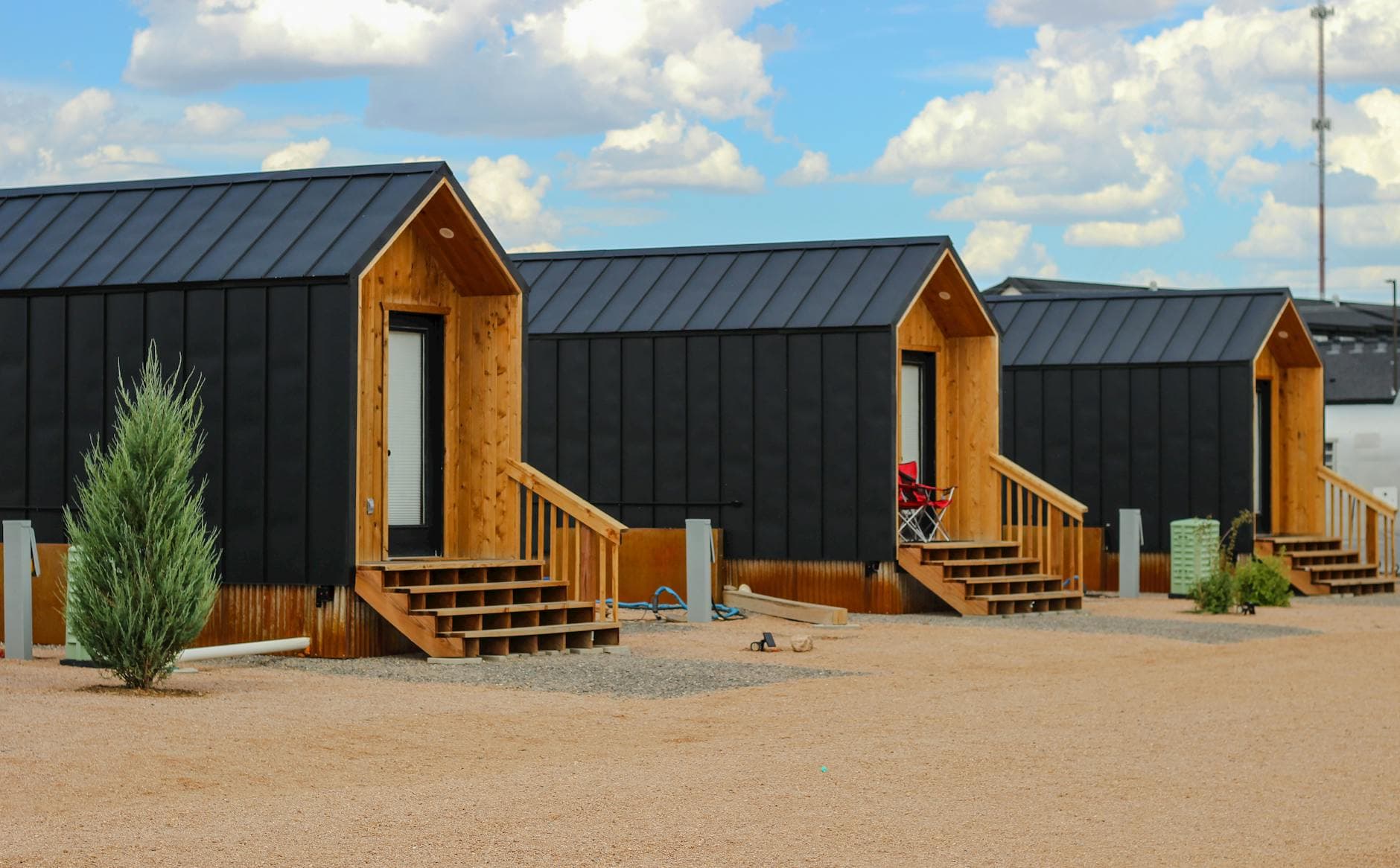
LIHI is already a major player in the city’s tiny-house network, which had about a dozen villages operating within Seattle limits in early 2026. In July 2025, Mayor Bruce Harrell announced more than 100 additional tiny houses across two new LIHI villages, one planned for about 60 residents and the other for about 44, with the city budgeting $5.9 million for startup and operating costs.
That context makes Capitol Hill more than a single-site dispute. If a neighborhood with strong progressive credentials rejects a 32-unit village on Belmont Avenue, it could complicate future siting decisions, but the broader city push suggests the project is still part of a larger pipeline rather than a one-off experiment.
Know something we missed? Have a correction or additional information?
Submit a Tip