Students Build Five Tiny Homes for Ginoogaming First Nation
Five student-built tiny homes have turned a trades program into real housing for Ginoogaming First Nation, with another unit due later this spring.

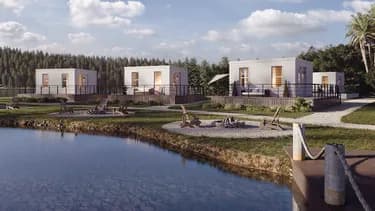
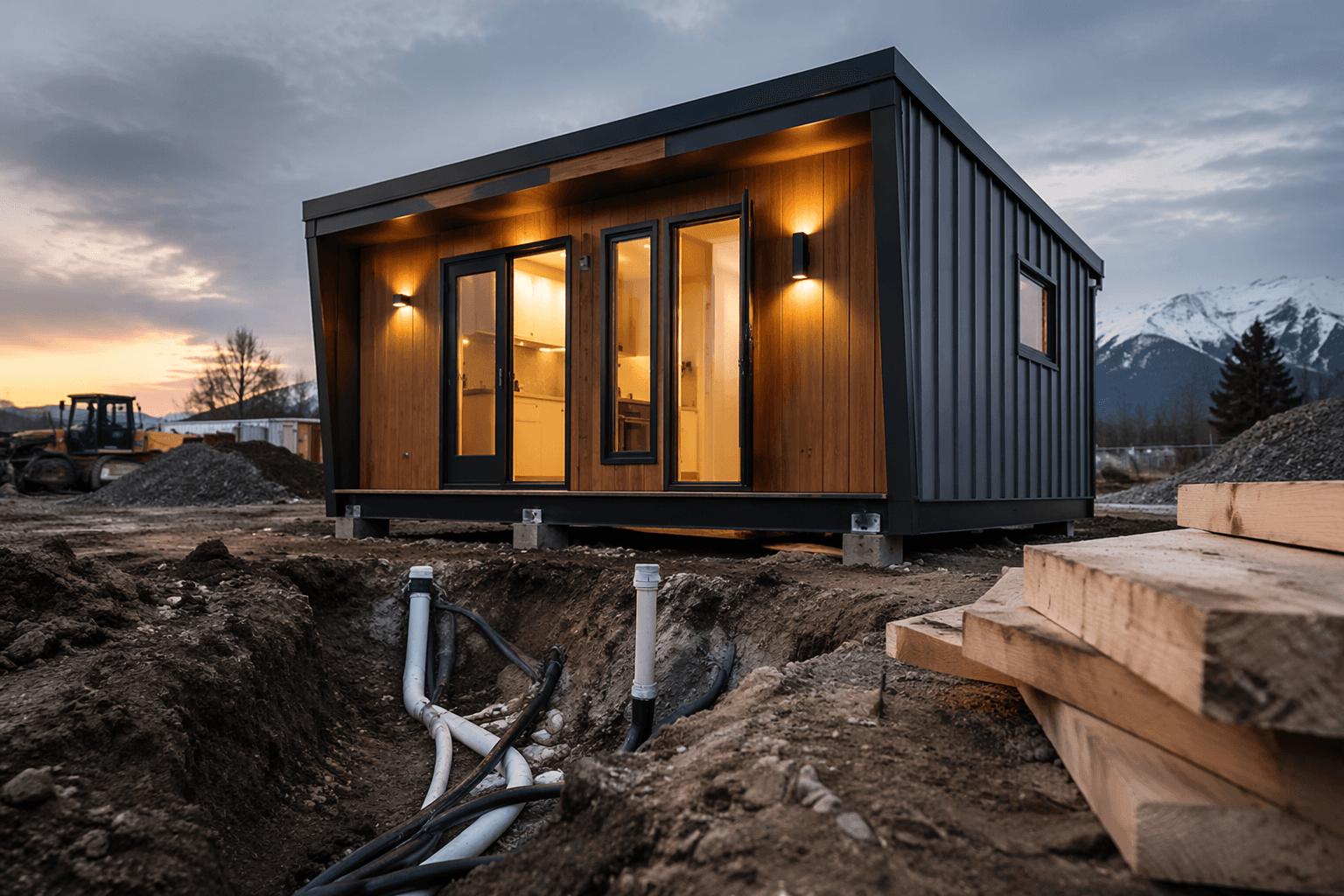
A 14-by-40-foot tiny home now stands in Ginoogaming First Nation, and it is not just a school project. It is the fifth home students have built through a trades-training program that is delivering real housing while teaching carpentry, electrical work, and other construction skills in the process.
The one-bedroom, one-bathroom unit was built by Hammarskjold High School students in Thunder Bay through the Indigenous Skilled Trades Training program. After the home arrived in the community last fall, students from Geraldton Composite High School, many of them from Ginoogaming, finished the deck. Matawa First Nations said a second student-built home was expected to be delivered later this spring.
The project landed in a community where every unit matters. Statistics Canada’s 2021 Census put Ginoogaming First Nation’s population at 1,200 and its occupied private dwellings at 62. The community sits about 40 kilometres east of Geraldton off Highway 11 on the north shore of Long Lake, a location that makes local housing supply especially important and makes outside labor harder to bring in at scale.
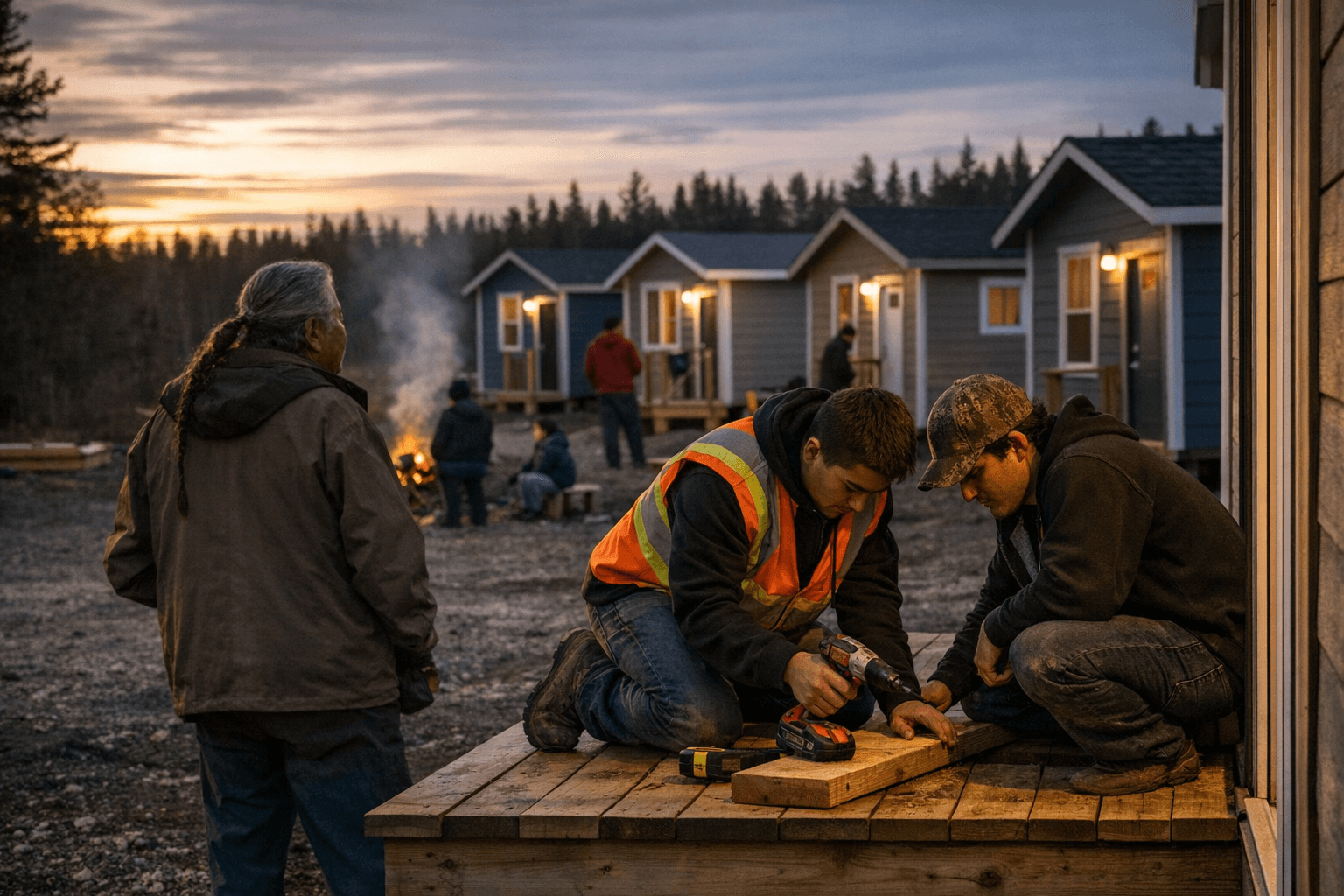
That is where the program’s model stands out. It is not classroom theory and it is not a one-off shop exercise. Students spend about eight months completing a tiny home, and by the end they have worked through blueprints, power tools, teamwork, and the kind of practical problem-solving that employers in construction and electrical trades expect on day one. The result is a finished unit that the community can actually use.
Chief Sheri Taylor called the project “life changing,” saying it helps students build skills and confidence while breaking down barriers some face in school. Lakehead Public Schools Director of Education Sherri-Lynne Pharand said the project shows what can happen when education, community, and partnerships come together with purpose. Those are not empty lines when there is a house on site and a second one already lined up.
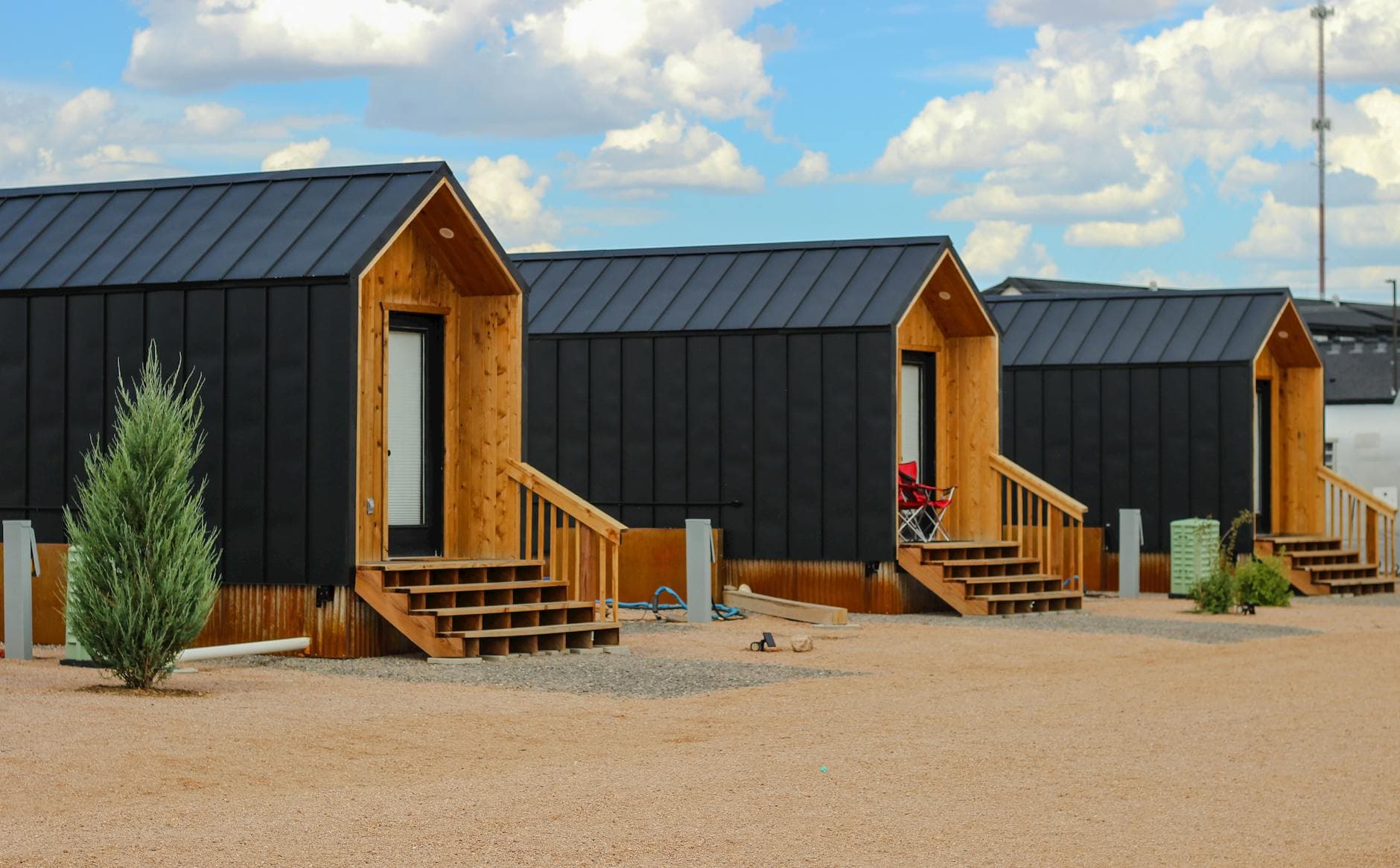
For Ginoogaming and other First Nation communities in the Matawa region, the appeal is obvious. The same project that gives students a path into the trades also produces small, workable housing units that answer a real shortage. Five homes in, the program has already moved past the novelty stage. It looks more like a practical pipeline, one that links training to housing and gives both the community and the students something lasting to show for the work.
This article was produced by Prism’s automated news system from verified source data, official records, and press releases, then run through automated quality and moderation checks before publishing. The system is built and supervised by the people who set the standards it runs under. Read our full AI policy.
Did this article answer your question?