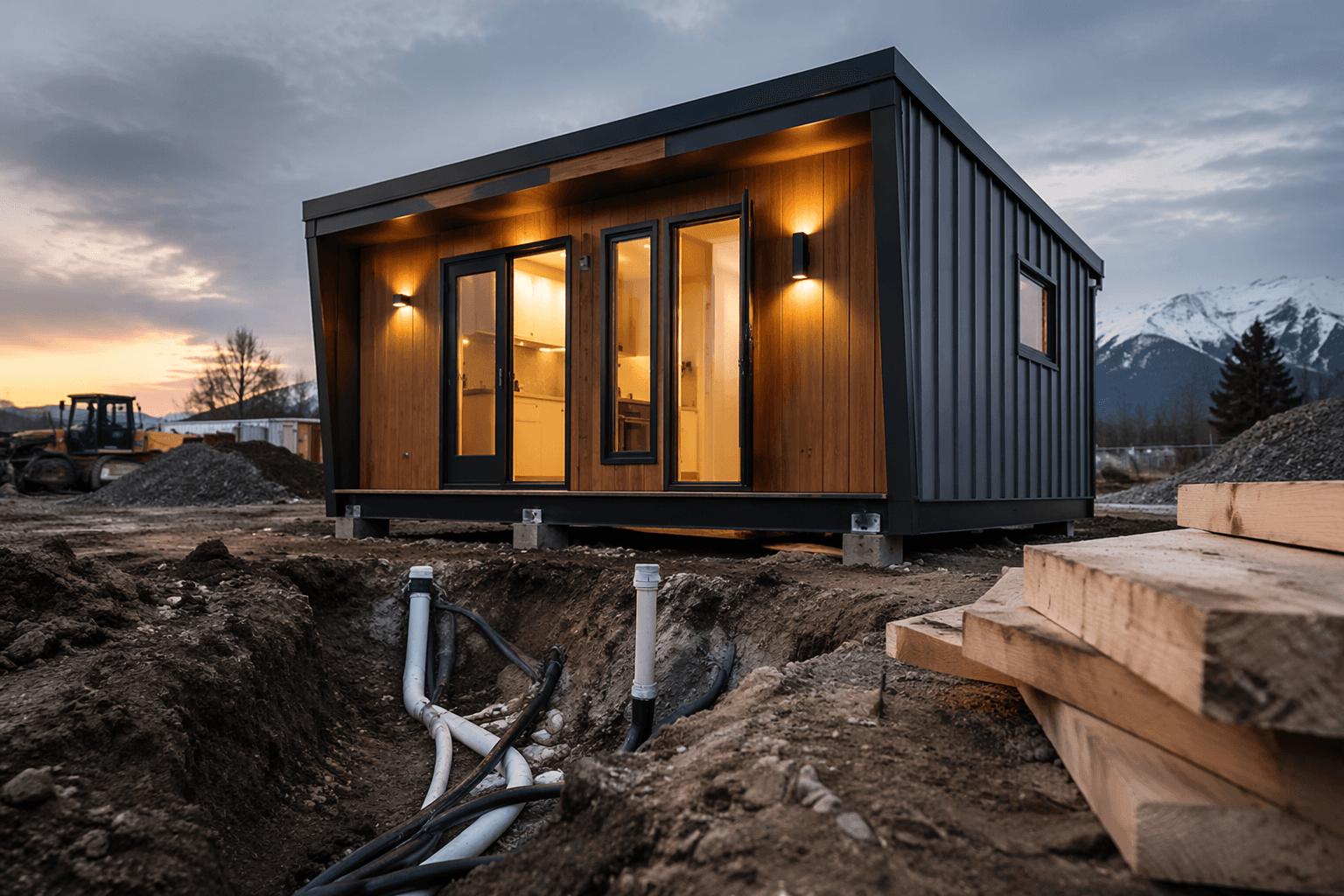
Palm Beach County Launches $500K Tiny Home Pilot for Recovery Housing
Palm Beach County unanimously approved $500K in opioid settlement funds for prefabricated tiny homes on nonprofit treatment sites, with Commissioner Sachs targeting the first unit within 30 days.

Palm Beach County commissioners unanimously voted to put $500,000 in opioid settlement funds toward a prefabricated tiny-home pilot aimed squarely at people working through substance-use recovery, and Commissioner Maria Sachs says the first unit could be in place within 30 days of the program getting off the ground.
The official name is a mouthful: the 2026 Opioid Settlement Funds Tiny Homes Recovery Transitional Housing Pilot Program. What it comes down to is placing clusters of four to five self-contained units directly on the properties of nonprofit drug and alcohol treatment centers, so residents never fall into the gap that opens when a facility closes at 5 p.m. "Don't let them treat and street," Sachs said, describing the problem she's spent two years trying to solve. The county's latest point-in-time count puts more than 1,500 people unhoused in Palm Beach County, and housing instability is one of the persistent wrecking balls for anyone trying to sustain recovery.
The model is deliberate about placement. Sachs initially considered putting units in residential communities or industrial areas, then rejected it. "I thought we could put them in communities or industrial areas — no no no no, they've got to be within the arms within the shelter of a non profit that treats them," she said. Siting the homes on nonprofit treatment center property creates around-the-clock support, with residents accountable to staff and to each other, rather than isolated in scattered locations.
The units themselves are described as small and self-contained, built to Miami hurricane standards, which makes them structurally solid despite their compact footprint. They are explicitly transitional, not permanent, and the program frames that as a feature rather than a limitation: residents are there to get stable, get sober, and get trained for a job before moving on.
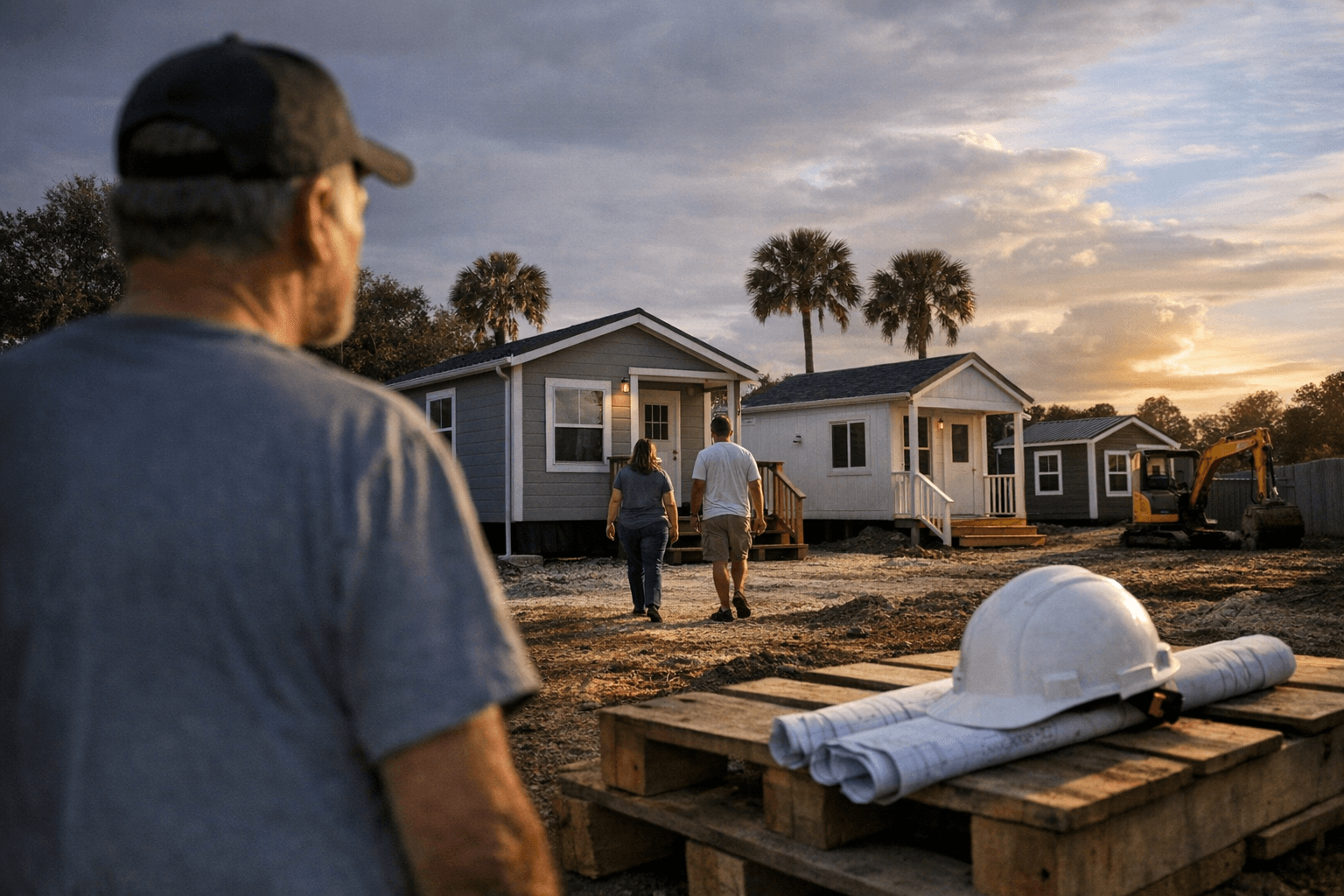
The money is coming from legal settlements paid by opioid manufacturers and distributors, funds that are legally required to be directed toward abatement and recovery efforts. The county's Community Services Department, alongside the Board of County Commissioners, opened a competitive funding opportunity for the pilot, and non-profit organizations and service providers have until March 17, 2026 at noon to submit proposals for the $500,000.
"The solution to homelessness is housing," Sachs said. That's the premise the pilot is built on. After the deadline passes, the county will review submissions and select the winning bid to move into implementation. Whether the 30-day timeline for a first unit holds will depend on how quickly that selection process moves, but Sachs has been pushing this initiative for two years and the unanimous commission vote signals she has the runway to move fast.
This article was produced by Prism’s automated news system from verified source data, official records, and press releases, then run through automated quality and moderation checks before publishing. The system is built and supervised by the people who set the standards it runs under. Read our full AI policy.
Did this article answer your question?