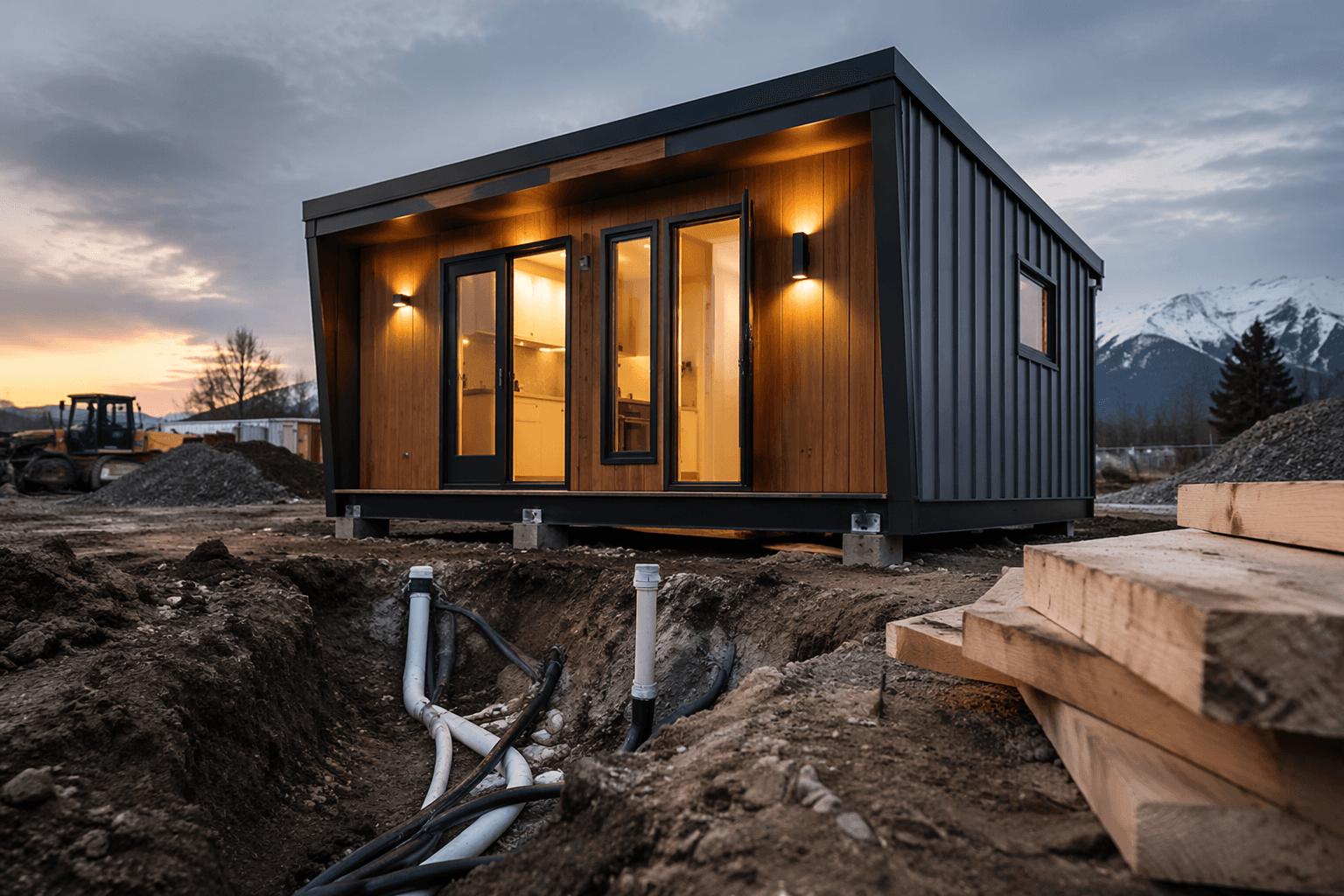
Racine tiny-home village for veterans seeks expansion to 24 units
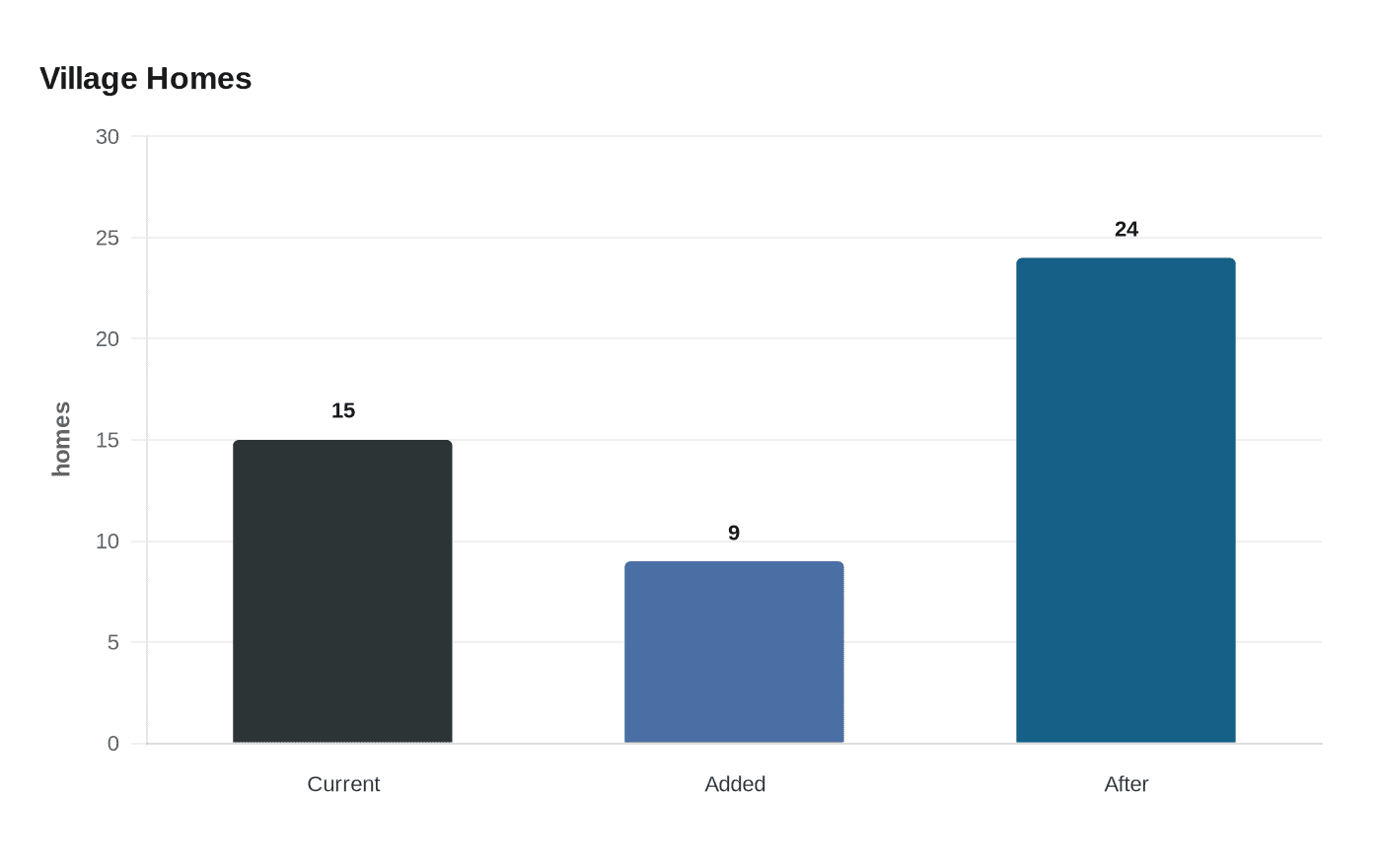
Racine planners backed a plan to grow a veteran tiny-home village from 15 to 24 units, with funding already set for four new homes and residents waiting.
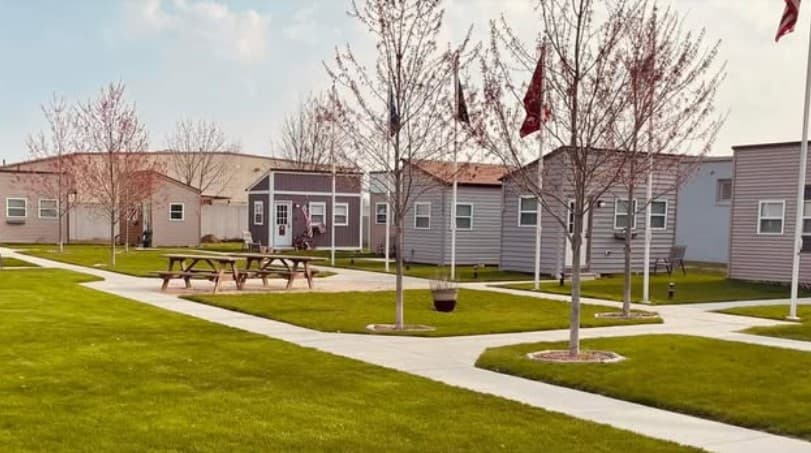
Racine’s veteran tiny-home village cleared an important growth step as local planning officials recommended approval for a conditional-use amendment that would add nine more transitional-living homes at 1624 Yout Street. If the expansion is approved, the James A. Peterson Veteran Village will grow from 15 homes to 24, turning a once-small experiment into a larger, working model with institutional support behind it.
That matters because the village is not a proposal on paper. It opened in November 2017 and has spent years operating as transitional housing for homeless veterans, with residents able to stay for up to two years before moving into permanent housing. Each home includes a bed, a small kitchen, a storage area and a TV, while the SC Johnson Community Center provides the shared backbone of the site, including a recreation area, a full-sized kitchen, bathrooms and showers.
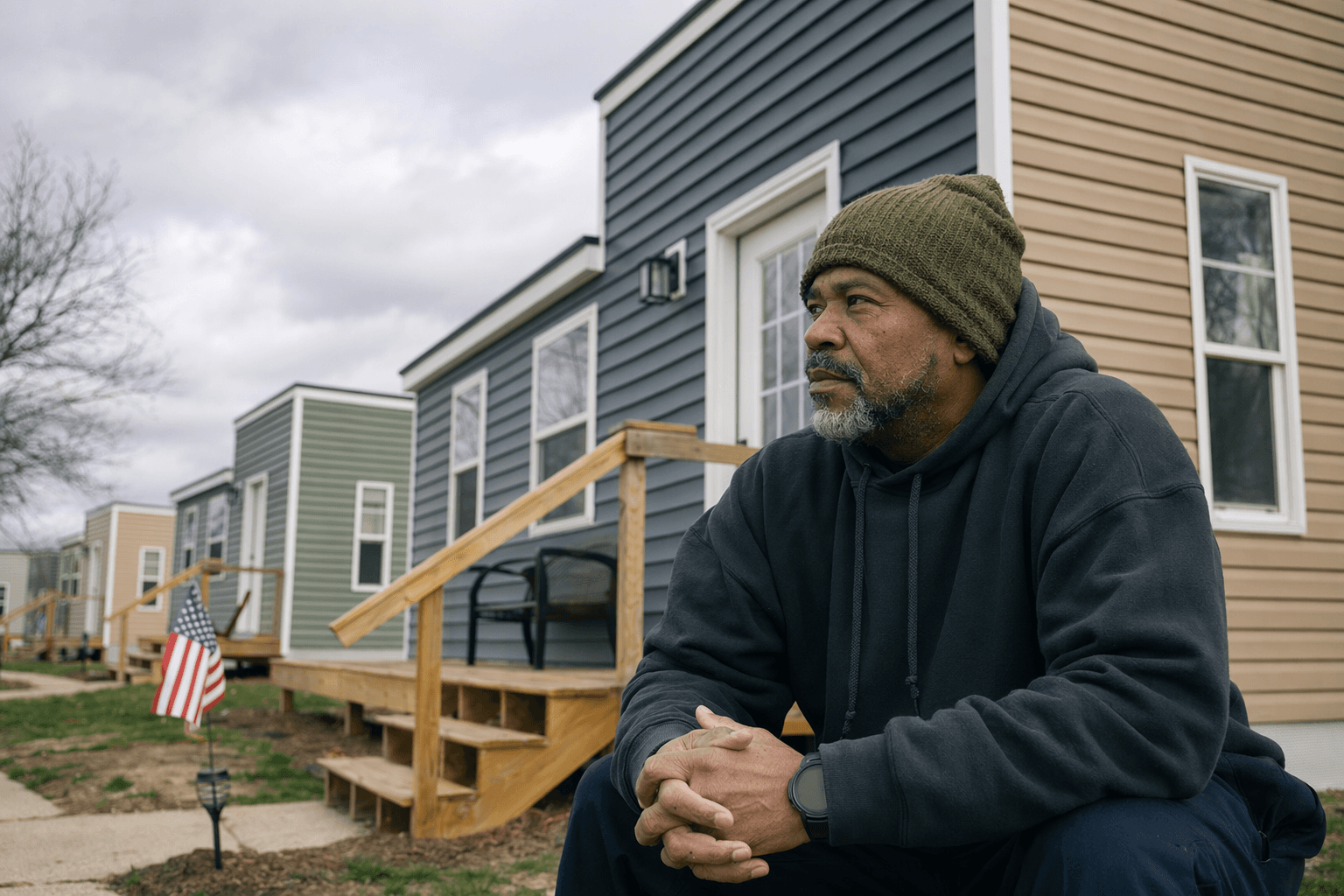
Veterans Outreach Deputy Director Kerry Milkie said funding was already in hand to build four of the new homes at $35,000 apiece, with residents already lined up. Labor for the expansion would be donated by Walsh Construction, a sign that the project has drawn enough confidence to keep growing without changing its basic layout or mission. The on-site food pantry, another part of the village’s support system, serves about 850 veterans a month.
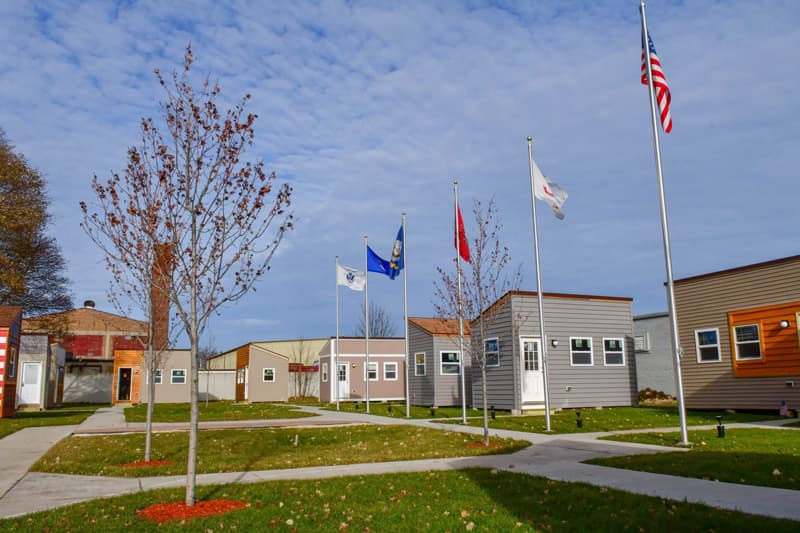
The expansion also lands in a city where housing need remains visible. Racine’s 2022 point-in-time count identified 193 households either living on the street or in shelter, underscoring why a program built around both housing and services carries weight. Veterans Outreach of Wisconsin has long described the village as more than a place to sleep, and the project’s track record shows why: it pairs tiny homes with case support, shared meals and a predictable path toward permanent housing.
That combination has helped the Racine site become a reference point beyond the city limits, with Milwaukee officials and developers pointing to it as a model for their own veteran tiny-home efforts. For tiny-house advocates, the bigger story now is not just that Racine may add nine more units. It is that officials are willing to let it expand because the village is already working, and working well enough to justify more homes, more residents and a larger role in the region’s housing response.
This article was produced by Prism’s automated news system from verified source data, official records, and press releases, then run through automated quality and moderation checks before publishing. The system is built and supervised by the people who set the standards it runs under. Read our full AI policy.
Did this article answer your question?