Rewild Homes’ Rose tiny house brings roomy, single-level living to tiny homes
Rose swaps the ladder-and-loft script for a 30-foot, extra-wide single-level layout that feels built for real full-time living.
A wider tiny house changes the whole deal
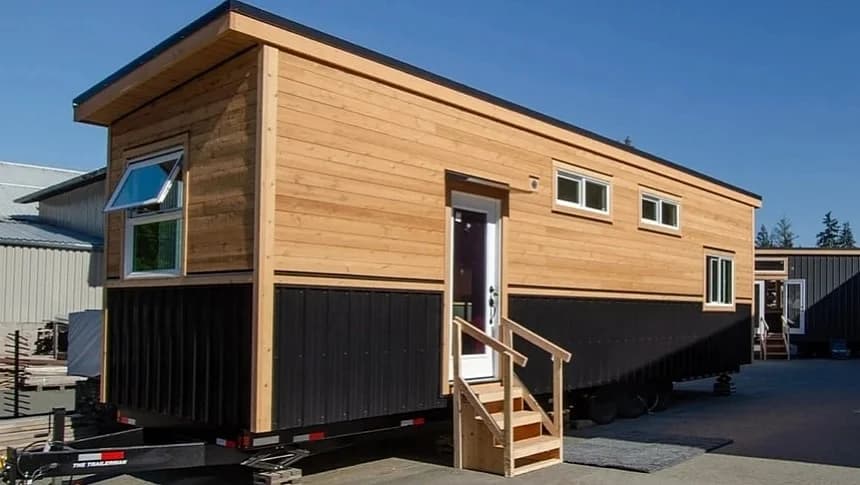
Rewild Homes’ Rose is a clean example of where tiny houses are headed: away from novelty loft living and toward single-level homes you can actually stay in for years. At 30 feet long and 10 feet 6 inches wide, it has the kind of footprint that changes daily life, not just floor plan drawings. The extra width gives the interior more of an apartment feel than a classic towable tiny house, and that alone makes Rose feel like a milestone rather than a styling exercise.
The big shift is simple: this is not a home built around climbing up and down. Rose keeps the main living spaces on one floor, which cuts out the constant tiny-house compromises that wear people down over time, like low loft ceilings, cramped ladder access, and awkward nighttime trips. Rewild Homes says the model is designed for comfortable full-time living, and the shape of the home backs that up.
How the extra-wide footprint works in real life
That 10-foot-6-inch width is the move here. It gives Rewild Homes enough room to create a layout that feels open instead of tunnel-like, with a spacious living room, a serious kitchen, and a high ceiling that helps the home breathe. Generous glazing keeps the space bright, and the wider shell makes that light feel usable instead of decorative. The result is a tiny home that reads as calm and functional the moment you walk in.
This is also where the category shift becomes obvious. A standard tiny house often asks you to accept one compromise after another. Rose uses its extra width to reduce those compromises across the board, especially for anyone thinking past weekend use and into long-term living. The home feels built for aging in place, easier movement, and less daily friction.
The kitchen is set up for actual cooking
Rose’s kitchen is one of the clearest signs that this home is aimed at real occupancy, not occasional use. It includes an oven, a four-burner cooktop, a double sink, and a full-size fridge/freezer, which puts it well ahead of the bare-bones kitchenette approach many tiny homes still rely on. That matters in practice because a wider kitchen lets you prep, cook, and clean without turning every meal into a shuffle.
The extra space helps workflow more than aesthetics. A double sink and full-size refrigeration mean you are not constantly managing around undersized appliances, and the oven plus four-burner setup gives you enough flexibility for actual meals instead of just reheating. In a tiny home market full of scaled-down kitchen compromises, Rose feels refreshingly normal.
The bathroom reads like a compact house, not a trailer
The bathroom pushes the same point even harder. Rewild Homes says Rose includes a washer/dryer, sink, flushing toilet, and a glass-enclosed shower, along with a custom tiled shower and a simple septic connection. That combination gives the home a much more conventional feel than a camping-style trailer setup, and it matters more than people think once you start living in the space every day.
Bathrooms are where tiny homes often reveal their limits, especially when they are squeezed around a loft-first plan. Rose avoids that trap by using its width to make the bathroom feel intentionally designed rather than leftover. A proper shower enclosure, laundry, and a flush toilet make the house more comfortable for full-time living and less dependent on improvisation.
The bedroom is where privacy finally gets better
The ground-floor bedroom is probably the most important part of the Rose story. It comes with a private second entrance, closet space, and under-bed storage, while the loft is reserved for storage rather than sleeping. That one choice changes the home from “cute tiny house” to something that can serve as a real long-term residence.
Ground-floor sleeping means no ladder, no awkward ceiling angles over your bed, and no nightly climb that gets old fast. The private second entrance also adds a layer of independence and privacy that tiny-house layouts rarely handle well. If you care about livability more than spectacle, this is the kind of detail that matters most.
Why Rose fits the accessibility conversation
Rose lines up with the broader accessibility advice that has been circulating in the tiny-house world for years. Accessible tiny-house design is usually single level, open, and built with wider passages and no stairs or ladders, because those choices make the home easier to use over time. The Tiny Life’s guidance points in that same direction, recommending gentle circulation and pathways at least 36 inches wide.
That is why Rose matters beyond one build. The home shows what happens when the industry stops treating stairs and lofts as mandatory tiny-house features. It becomes easier to imagine a home that works for aging in place, mobility changes, or simply everyday comfort without the gymnast routine.
The zoning reality still shapes where a tiny home can go
Even a well-designed tiny house still has to fit within local rules, and Ontario’s municipal guidance makes that plain. Zoning by-laws can control lot area, lot frontage, lot coverage, yard setbacks, and maximum building height, all of which can affect whether a tiny home works on a given property. Placement can also depend on parking, utilities, and service access, which means the best floor plan in the world still has to meet the ground truth of the site.
Ontario’s guidance also notes that off-grid or nonstandard service setups may require solar panels or geothermal systems. That matters because homes like Rose, with propane for water heating and cooking and a 50-amp electrical connection, sit at the intersection of convenience and site planning. The more the category moves toward permanent living, the more those practical utility decisions matter.
Where Rewild Homes fits in the market
Rose also says a lot about Rewild Homes itself. The company is based in Cobble Hill, British Columbia, on Vancouver Island, and says it builds custom tiny homes using locally sourced materials whenever possible. It also says it has been in business for almost 10 years and has built dozens of tiny homes, which gives this design language some real depth instead of one-off novelty energy.
The pricing and build timeline tell you who this is for. Rewild Homes says its homes and shells range from $40,000 to $220,000 CAD, with most finished homes landing in the $130,000 to $200,000 CAD plus tax range. It also says move-in-ready builds typically take 4 to 6 weeks of design work and 12 to 16 weeks of construction after the trailer arrives. That is a serious custom-build pipeline, not a hobby project.
The company’s gallery, with models like Garry Oak, Huckleberry, Thicket, Dove, and Barred Owl, reinforces the same direction: more extra-wide, more single-story, more permanent. Rose is the clearest expression of that shift. It proves the tiny-house category is no longer just about fitting more life into a loft, but about building a home that can hold up to everyday use without asking you to climb for it.
This article was produced by Prism’s automated news system from verified source data, official records, and press releases, then run through automated quality and moderation checks before publishing. The system is built and supervised by the people who set the standards it runs under. Read our full AI policy.
Did this article answer your question?