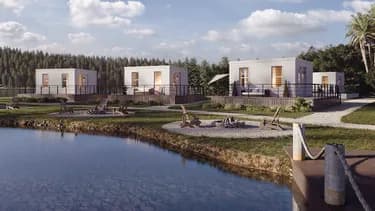
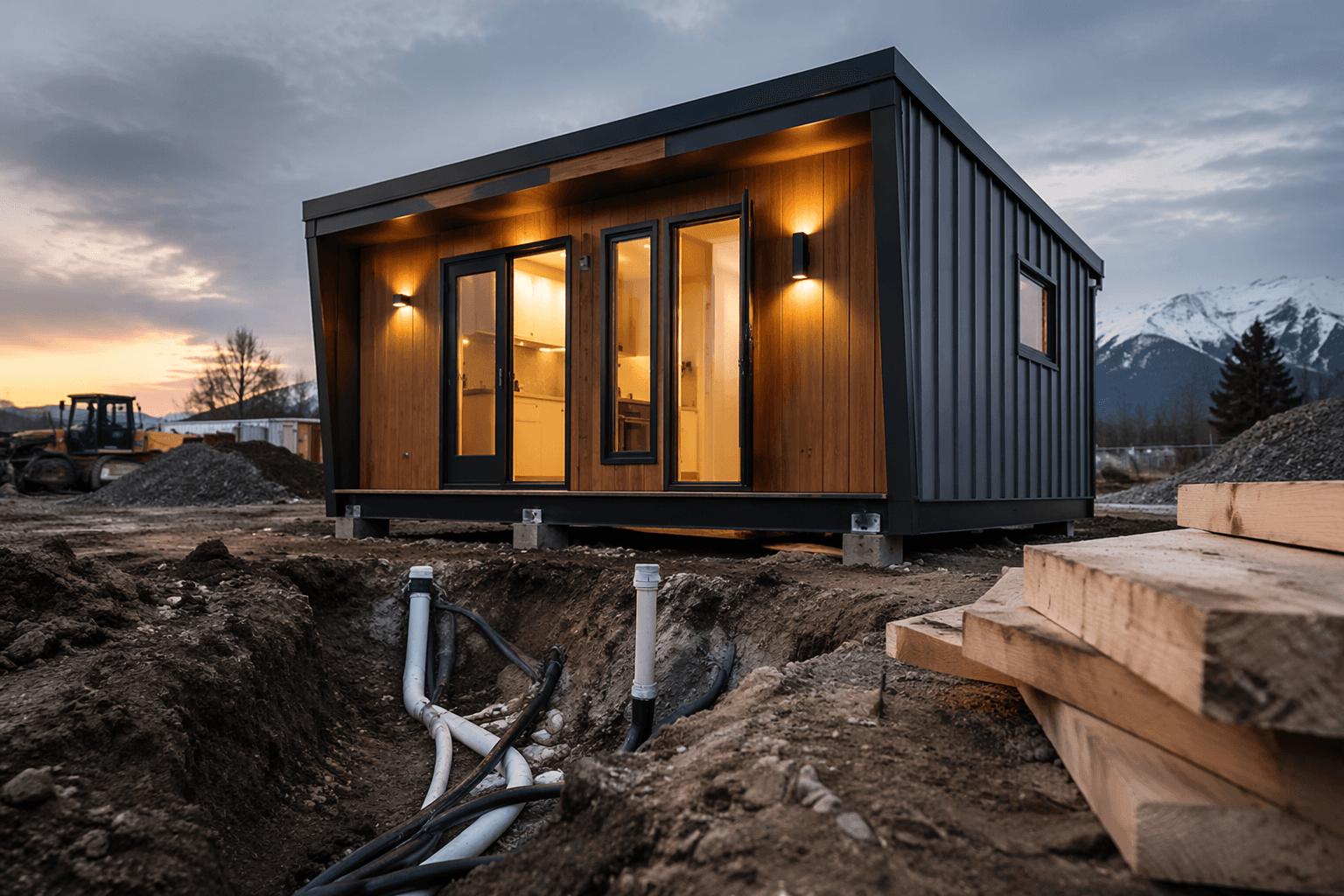
Removed Tiny Homes Cabarita packs family-friendly space into road-legal towable design
Cabarita leans into a bigger-house feel without losing towable limits, pairing a downstairs bedroom and walkthrough ensuite with a 9.6-metre, road-legal frame.

Cabarita is trying to solve the family-sized tiny house problem without giving up the road-trip part. Removed Tiny Homes has built the model around a simple tension: make a towable home feel genuinely spacious, but keep it inside a workable moving envelope. At 9.6 metres long and 2.4 metres wide, riding on a triple-axle trailer, Cabarita stays close to the dimensions that still make regular towing realistic.
What makes that notable is not just the size, but the intent behind it. Removed is not chasing the ultra-minimal, single-person cabin vibe that defines a lot of tiny-home marketing. The Cabarita is clearly pitched at small families and full-time downsizers who want breathing room, not a novelty box. That difference matters because the design choices here are aimed at daily livability first, and visual spaciousness second.
The layout is built around real-life function, not just floor-plan theater. The entry opens into a living room with a sofa and coffee table, which immediately gives the home a more domestic feel than a stripped-back corridor layout. A high ceiling and an iconic picture window do a lot of heavy lifting too, because they pull the eye upward and outward, making the space feel less boxed in.
Those same features, though, are only partly about usable square footage. The ceiling height and picture window absolutely improve the sense of openness, but they also create an illusion of scale that tiny homes often need to survive psychologically. The bigger gain for everyday living is the way the common area is arranged as an actual lounge, not just a pass-through zone. That is a real upgrade for family use, especially when people need somewhere to sit, work, and unwind without colliding constantly.
The bedroom and bathroom setup is where Cabarita becomes more convincing as a family home. Removed’s Cabarita page describes a generous downstairs bedroom with ample robe storage, a walkthrough ensuite, a large kitchen and living area, and stairway access to a huge loft. That downstairs bedroom is the most practical decision in the whole build, because it gives the model a main sleeping space that does not depend on climbing into a loft every night.
The walkthrough ensuite also adds genuine convenience. In a compact home, a bathroom that connects cleanly into the rest of the layout reduces the stop-start feeling that can make tiny living frustrating. The large kitchen and living area help too, because family-sized tiny homes live or die on whether the shared zone can handle actual daily routines such as meals, storage, and downtime. The huge loft extends the sleeping or storage options, but it is the kind of space that adds flexibility rather than solving the core livability question on its own. In other words, the loft helps, but the downstairs bedroom is what makes the plan feel grown-up.
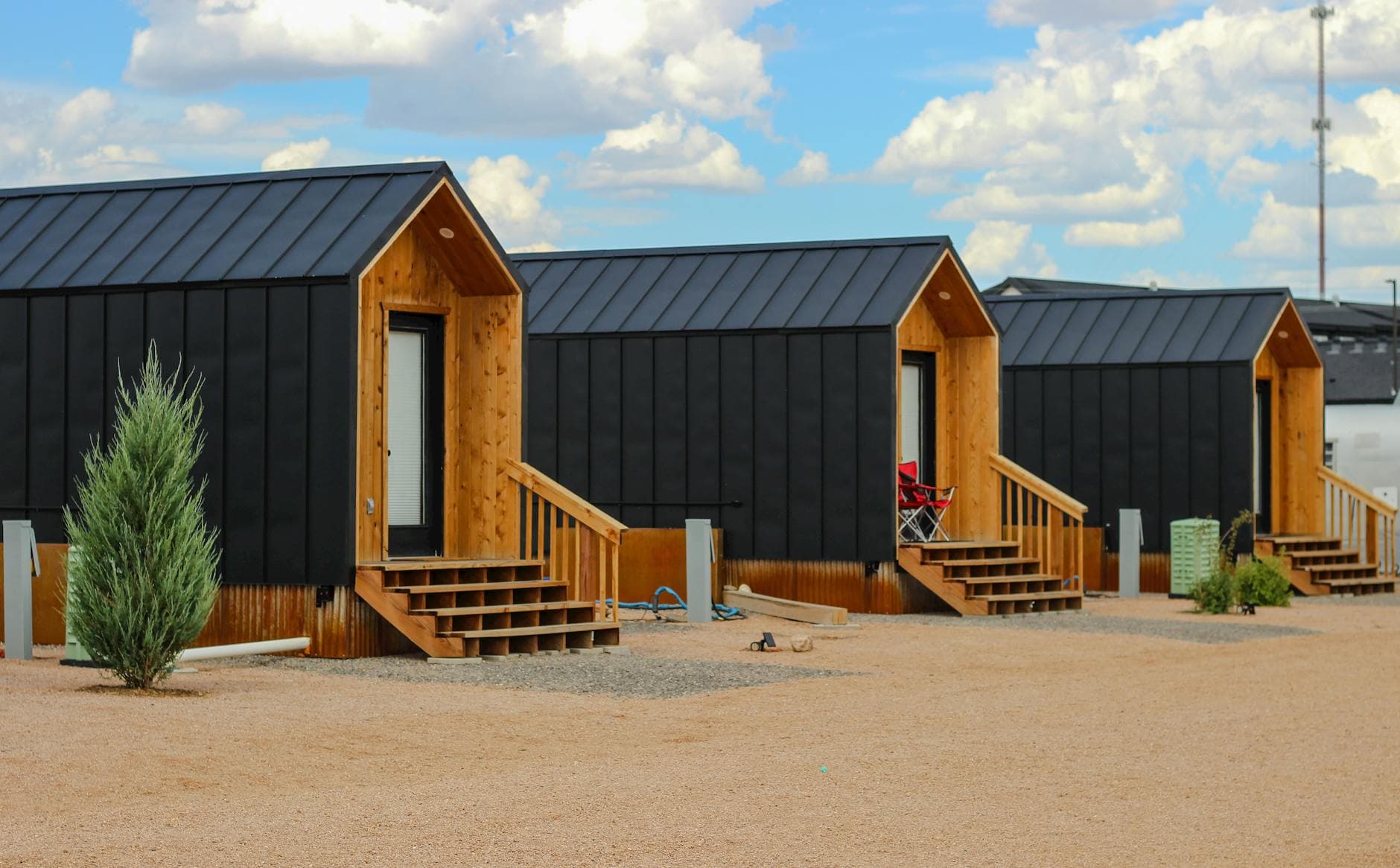
Removed is also careful to keep the model inside road-legal thinking, even while stretching the tiny-home brief. The Brisbane, Queensland-based company says its custom off-grid tiny homes are designed within caravan-like road limits, with base designs kept to a maximum width of 2.5 metres, a maximum height of 4.3 metres, a maximum length of 10.0 metres, or 12 metres including the drawbar, and a maximum weight of 4.5 tonnes. Cabarita sits comfortably inside that philosophy at 2.4 metres wide, which helps explain why it can still be discussed as a towable home rather than a transport headache.
Removed does mention an optional wider version, but that version would require truck transport instead of regular towing. That is a meaningful trade-off. A wider body may buy a little more interior comfort, but it also pushes the design away from the flexibility that makes a tiny home truly mobile. For buyers, that is the central choice: keep the home road-friendly and easy to move, or chase extra width and accept a much more complicated move profile.
Cabarita also makes more sense when you place it inside Removed’s broader range. The company’s Tiny Mansions collection is aimed at families, downsizers, and Airbnb investors, and it includes 1 to 3 bedroom layouts built on heavy-duty 10-tonne air-braked trailers. It also offers luxe finishes and optional rooftop decks. That wider product line shows Cabarita is not an isolated experiment. It is part of a deliberate push toward larger, more comfortable tiny homes that still fit within the culture of compact, movable housing.
That matters because the tiny-house conversation has been changing. In Australia, housing pressure remains a major backdrop, and the National Housing Supply and Affordability Council says housing supply, demand, affordability, and housing outcomes remain central to the prosperity of future generations. Cotality’s 2025 Housing Affordability Report adds that 2025 marked a series high in three of four major affordability metrics in Australia. Against that reality, a model like Cabarita is not just an aesthetic statement. It is a practical answer to a hard question: how do you build something smaller and more affordable without making family life feel squeezed?
Cabarita does not erase the compromises that come with tiny living, and it does not pretend to. What it does is narrow the gap between compact and comfortable, using a downstairs bedroom, a walkthrough ensuite, a large shared zone, and a high-ceilinged, picture-windowed entry to make the home feel less like a downsize and more like a scaled-down house that still knows how to travel.
This article was produced by Prism’s automated news system from verified source data, official records, and press releases, then run through automated quality and moderation checks before publishing. The system is built and supervised by the people who set the standards it runs under. Read our full AI policy.
Did this article answer your question?