Removed Tiny Homes' Tallebudgera skips lofts for single-level living
Removed Tiny Homes’ Tallebudgera puts the loft debate to bed with a single-floor layout built for easier daily living and a wider, room-like feel.
A tiny home that takes the stairs out of the equation
Removed Tiny Homes has made a clear statement with the Tallebudgera: not every tiny house needs a ladder, a loft, or the nightly choreography of climbing up to bed. The Brisbane, Queensland builder calls it its flagship single-storey model, and the pitch is aimed squarely at buyers who want tiny-home efficiency without giving up easy access, open space, or a full-size sleeping zone on the ground floor.
That matters because the Tallebudgera is not trying to win on novelty. Its appeal is the opposite: restraint, practicality, and the kind of everyday comfort that makes a tiny home easier to live in full time. Removed says the design is intended for “all ages and abilities” because it eliminates stairs entirely, a choice that immediately broadens the audience beyond younger owner-builders and weekend experimenters.
Why single-level living is becoming the draw
The Tallebudgera fits into a growing shift inside the tiny-house world, where buyers are increasingly asking for homes that feel easier, not just smaller. Loft beds have long been a signature of the category, but they also come with tradeoffs: climbing at night, making the bed awkwardly overhead, and sacrificing a sense of openness below. The Tallebudgera answers that with a single-level plan that turns the main living zones into actual rooms rather than stacked compromises.
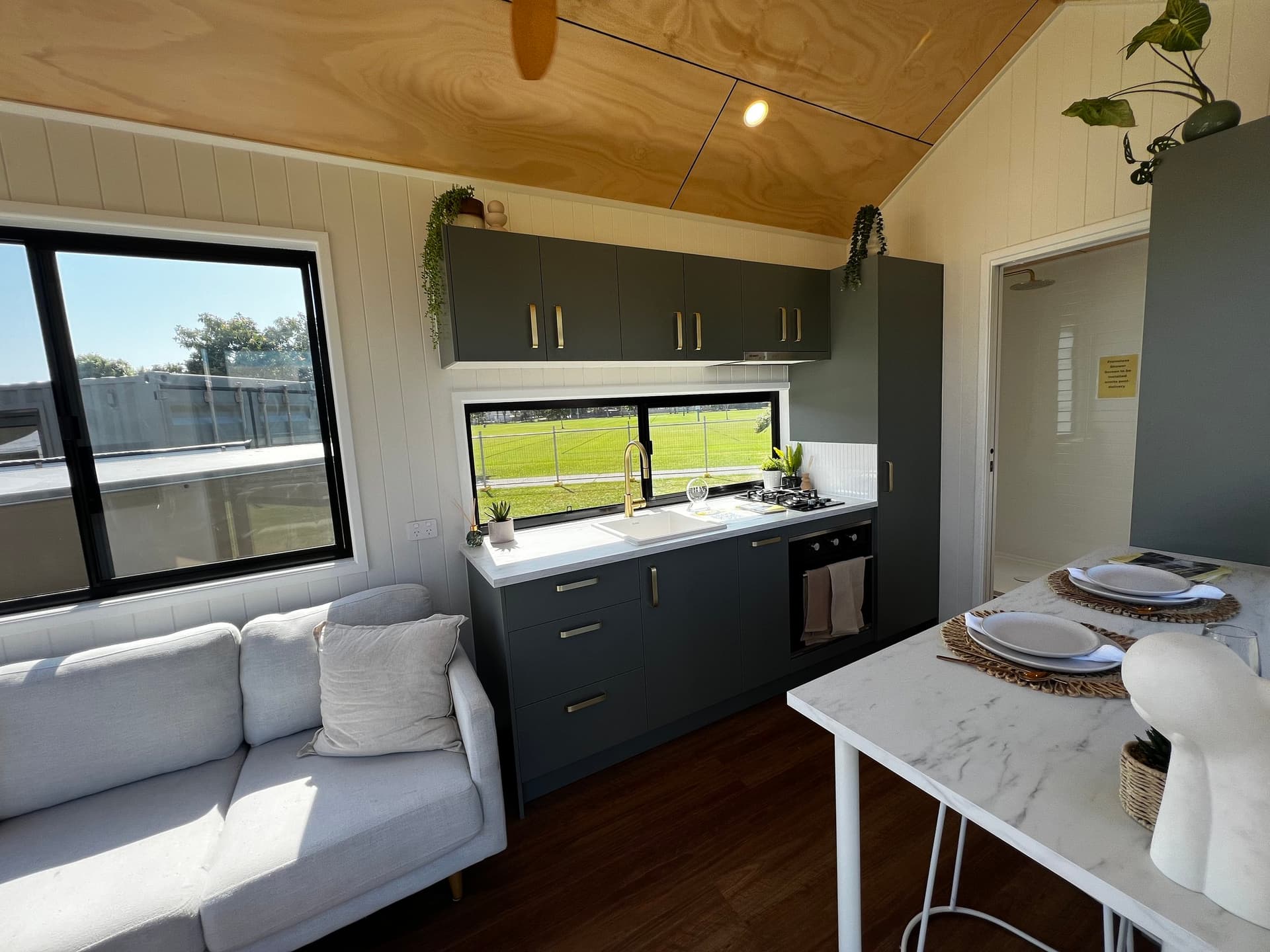
Removed’s layout gives the home a more residential feel, which is exactly why it stands out. The living room opens through double glass doors and includes a sofa, wall-mounted TV, and large picture window, so daylight and sightlines do a lot of work in making the space feel bigger than its footprint. For older owners, full-time dwellers, and anyone who simply does not want ladder-based sleeping, that is the real buyer value: comfort without making the home feel like a series of workarounds.
A layout built around daily life
The interior plan is designed to work like a compact house, not a travel pod. The kitchen takes up a substantial part of the floorplan, and that extra allocation of space is part of what keeps the Tallebudgera from feeling cramped. Inside, it includes a sink, oven, propane two-burner cooktop, microwave, fridge/freezer, plenty of cabinetry, and a breakfast bar for two.
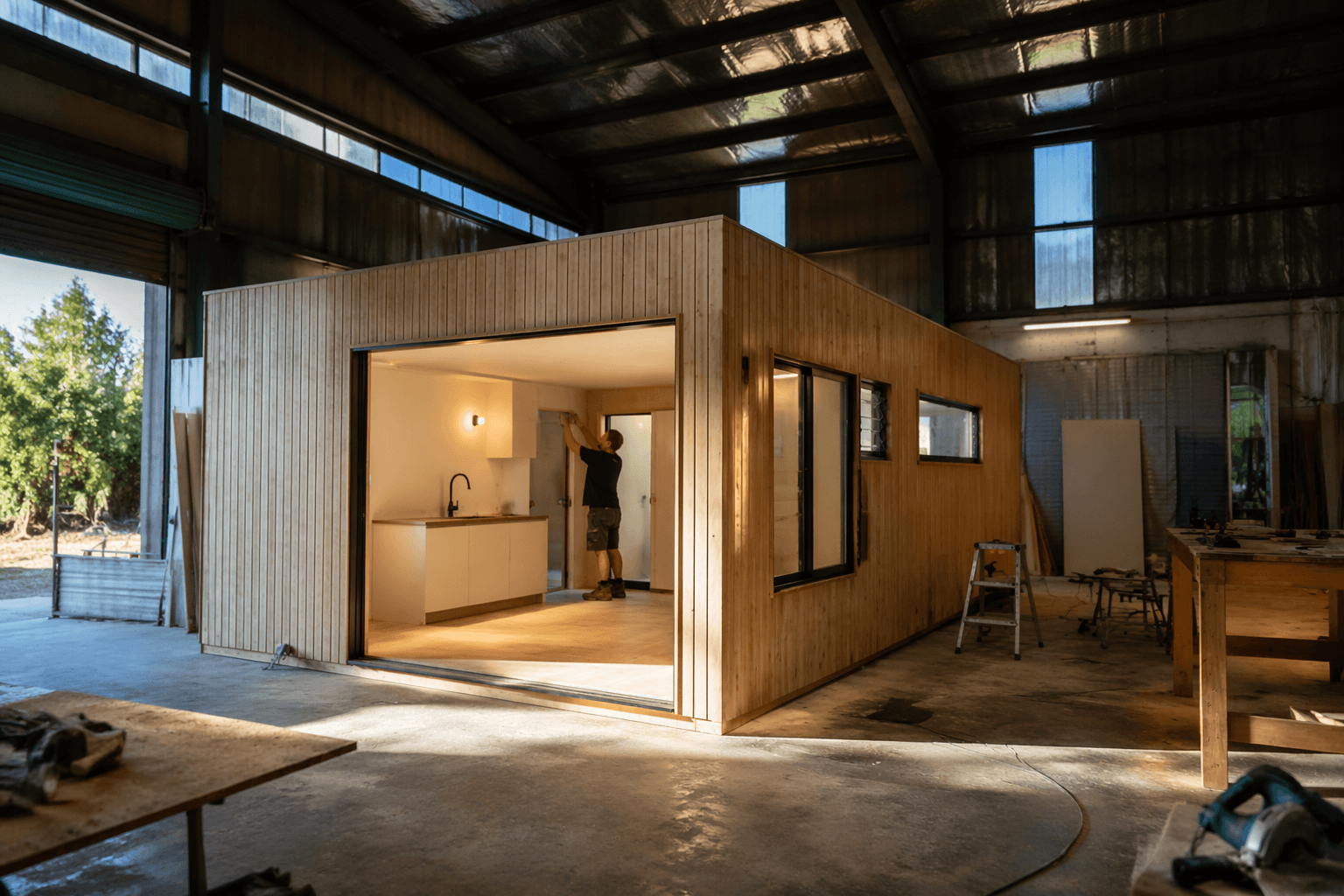
That kitchen placement matters because it reinforces the home’s liveability from the moment you step inside. Rather than tucking the cooking zone into a leftover corner, Removed gives it enough room to support real daily use, which is one of the clearest signs that this model is aimed at long-term occupancy. The result is a compact home that reads less like an RV alternative and more like a small residence built around routine.
The bedroom stays on the ground floor, and it does the heavy lifting
At the far end of the home, the bedroom keeps the promise of single-level living intact. It has double glass doors, high ceilings, generous glazing, and direct access outside, all of which help the room feel airy rather than boxed in. It fits a double bed, and Removed has also built in extra storage, including a crawl space above the bathroom.
That kind of storage is easy to overlook, but in a tiny home it changes how the space works over time. The Tallebudgera is being presented as a flexible base for one or two people, and the mix of ground-floor sleeping, hidden storage, and strong natural light gives it a practical edge over loft-heavy layouts that can feel clever on day one and tiring by day 100.
The bathroom and circulation feel more like a small home than a shell
The bathroom is accessed by a pocket sliding door and includes a flushing toilet, vanity sink, glass shower, and washer/dryer. That is a meaningful detail for anyone living tiny full time, because it signals that the home is not just chasing a minimalist aesthetic. It is making room for the kind of fixtures that turn a compact build into something that can support regular life.
The circulation inside the Tallebudgera is also part of the story. Because there is no stair to absorb floor area or interrupt the flow of the home, the open-plan living space can breathe a little more. The wider, room-like feeling is exactly what gives this model its market edge, especially in a category where many buyers are now prioritizing ease of movement over pure volume saved.
The build specs show how Removed is balancing towability and comfort
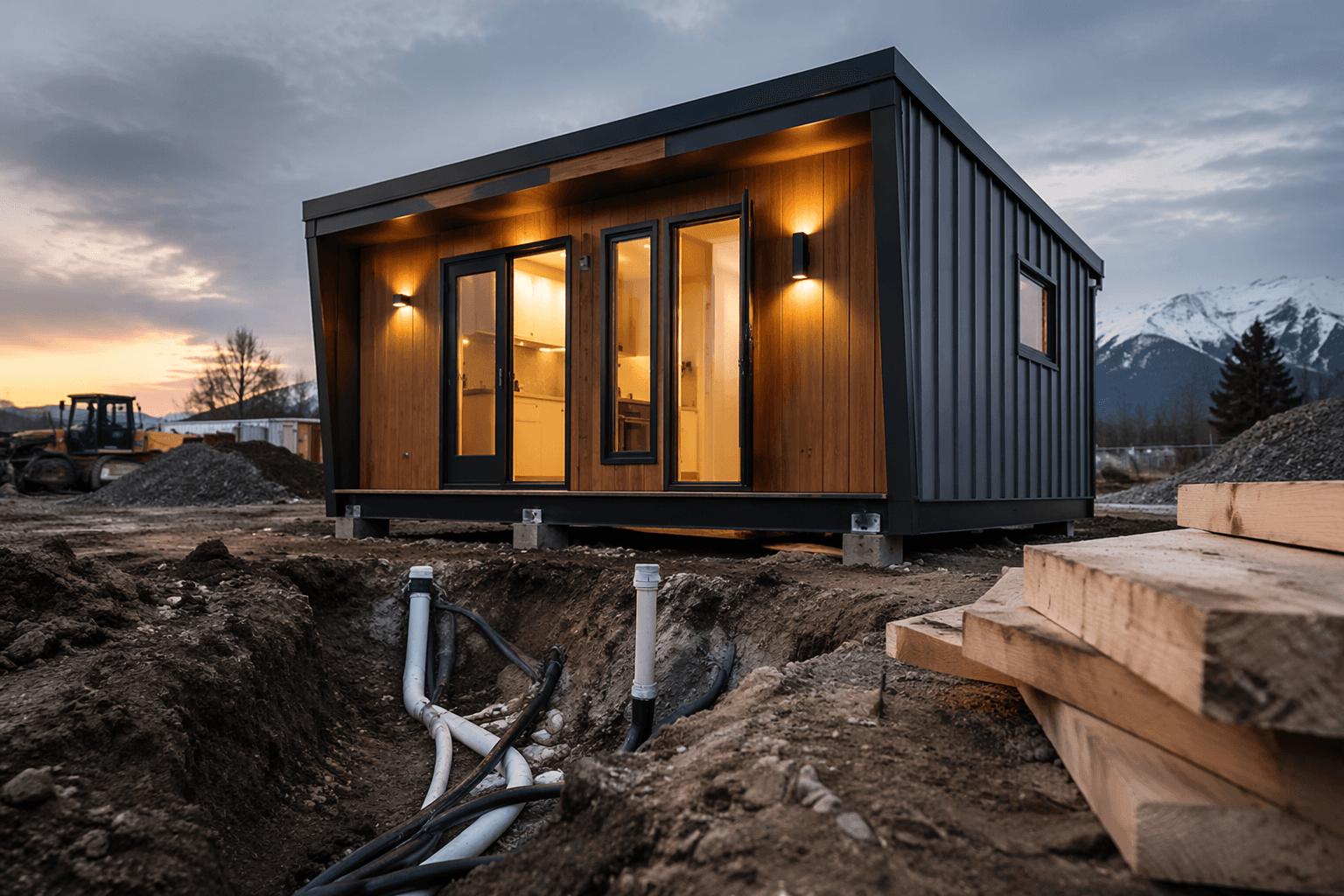
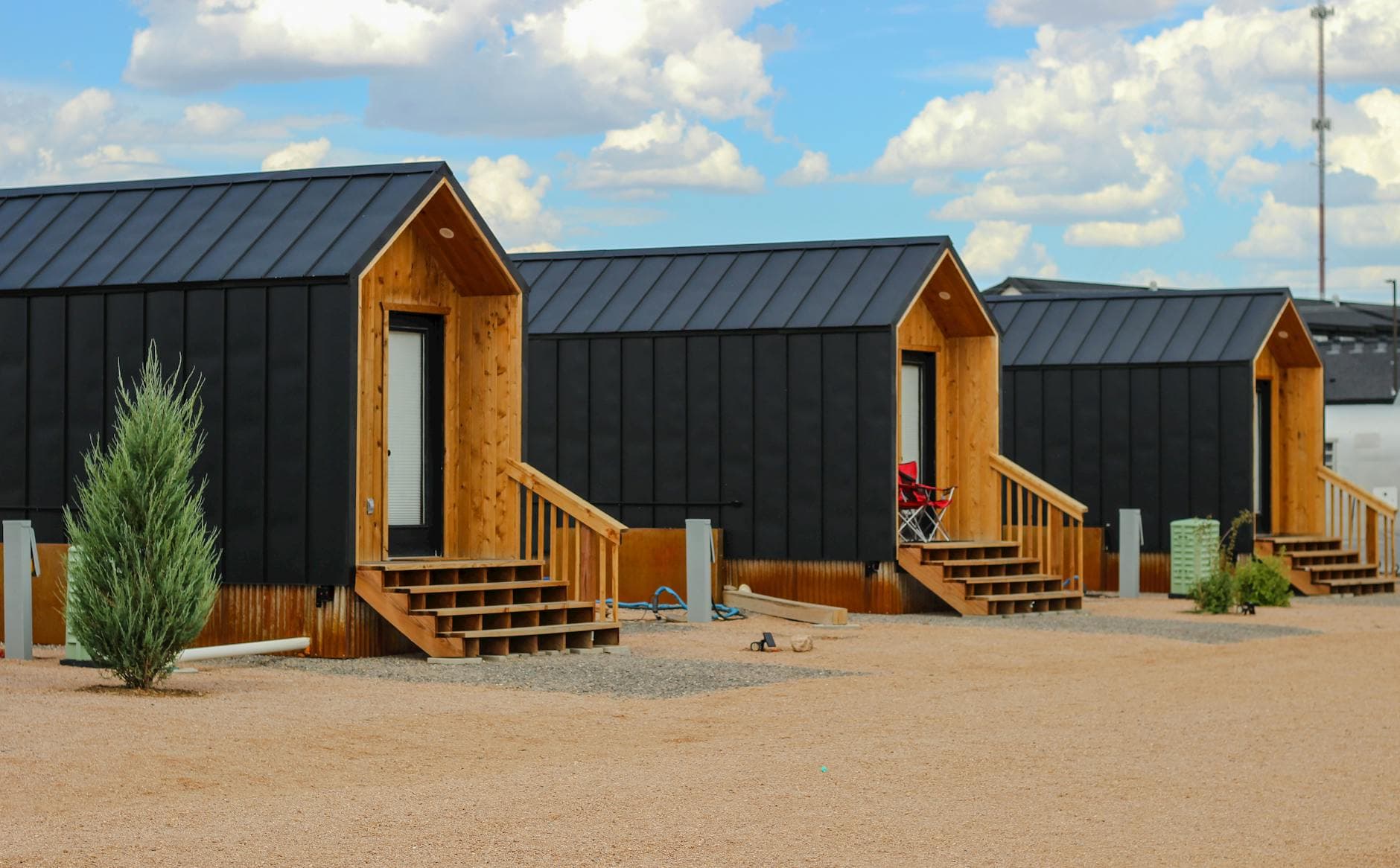
The Tallebudgera is built on a triple-axle trailer and finished in Colorbond steel, which keeps it anchored in the practical, road-ready side of the tiny-house market. The standard model measures 9.6 meters long with a width of 2.4 meters, while Removed says it can be widened to 3 meters for owners who plan to park rather than tow frequently. That wider option matters because it gives the home a looser, less trailer-like feel inside.
Removed’s standard road-legal parameters are part of that balancing act. The company says its tiny homes are kept within a maximum height of 4.3 meters, maximum width of 2.5 meters, maximum length of 10.0 meters, or 12 meters including the trailer drawbar, and maximum weight of 4.5 tonnes. In other words, the Tallebudgera sits inside a framework designed to preserve mobility while still pushing for more livable interiors.
How Removed is positioning the Tallebudgera inside a broader shift
The Tallebudgera is not an isolated experiment. Removed’s current lineup also includes spacious models such as Currumbin, Byron Bay, Soma, and Cabarita, and the company’s Tiny Mansions line is aimed at families, downsizers, and Airbnb investors. Those larger homes are built on 10T air-braked trailers, which underlines a broader move inside the company toward more generous layouts and less punishing vertical design.
Seen alongside those models, the Tallebudgera feels less like a one-off and more like a market signal. Removed appears to be leaning into a version of tiny-house living that values ground-floor comfort, standing-height walkways, and family-friendly space over the old assumption that small has to mean cramped or vertical. For buyers tired of ladder life, that is the part that lands hardest.
Removed also gives prospective buyers a straightforward path into the process, with a 3D configurator, discovery calls, and factory tours, plus a $5,000 refundable deposit to secure a build slot. That mix of design flexibility and practical buying steps fits the house itself: a tiny home that is not trying to be a stunt, but a durable answer to what many owners have wanted all along.
This article was produced by Prism’s automated news system from verified source data, official records, and press releases, then run through automated quality and moderation checks before publishing. The system is built and supervised by the people who set the standards it runs under. Read our full AI policy.
Did this article answer your question?