Rustler tiny house offers a minimalist farm stay in New Zealand
At 139 square feet, Rustler swaps city noise for sheep, lambs, and a one-level stay for two. The question is whether the minimalism feels useful, not just picturesque.
%2F900x470%2FListings%2FImages%2F2026%2F02%2F1306%2Fguesty_698d846213a4a6.535900861770882146397.jpg&w=1920&q=75)
The Rustler makes its pitch with a number that tiny-house fans will clock instantly: 139 square feet. Set on a working farm in Canterbury, it promises a reset built from restraint, not spectacle, and asks a familiar question in a sharper form: is this a genuinely livable small-space stay, or just serenity with a nice view?
A tiny footprint with a clear job
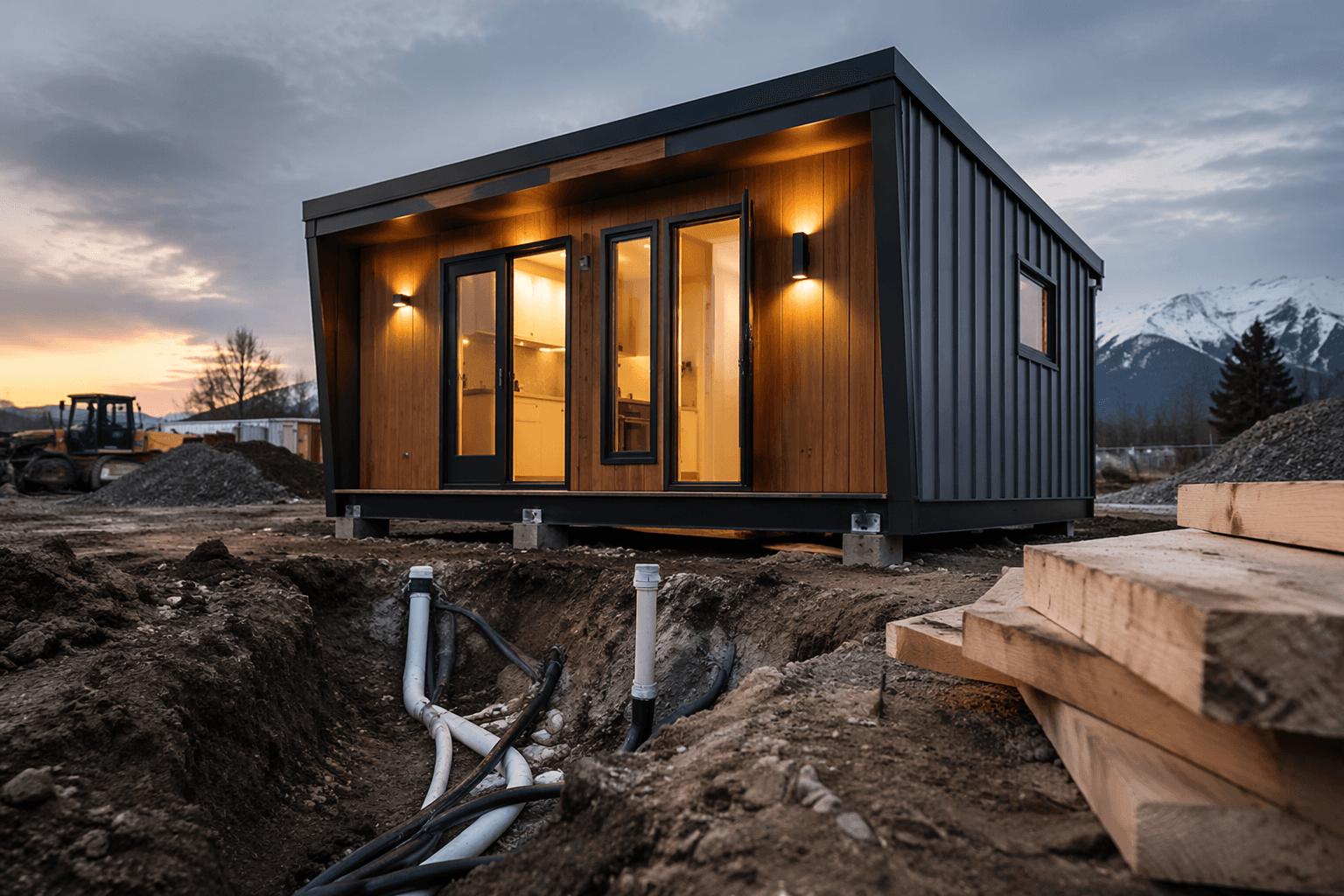
The Rustler is a single-level tiny house designed for two guests, with 1 bed and 1 bath, and that simple program tells you a lot about what it is trying to be. Rather than pretending to compete with a full-size holiday home, it leans into the discipline of a compact plan, closer in spirit to a modern shepherd’s hut than a luxury resort suite.
That matters in tiny-house terms because the strongest small builds usually know exactly what they are not. The Rustler is not trying to impress with oversized glazing, decorative gimmicks, or the kind of “tiny” that quietly depends on clever marketing to distract from awkward tradeoffs. Its appeal sits in the way it uses very little floor space to create a calm, contained place to sleep, wash up, and step back out into the landscape.
A stay this small naturally keeps expectations in check. Storage and daily routines have to be pared down, and the one-bed, one-bath setup reinforces that this is a minimalist overnight or short-break experience, not a miniature suburban house. For readers looking for design inspiration, that is exactly the point: the Rustler demonstrates how a tiny house can stay functional when every square foot is asked to earn its keep.
The farm is doing as much work as the house
Tiny Away places the Rustler at Field and Fleece in Levels Valley, Canterbury, about 15 minutes from Timaru. The company also describes the setting as the rolling hills of Taiko Valley, which makes the location feel less like a pin on a map and more like a working pocket of rural life. Either way, the house is not isolated from its surroundings. The surroundings are the product.

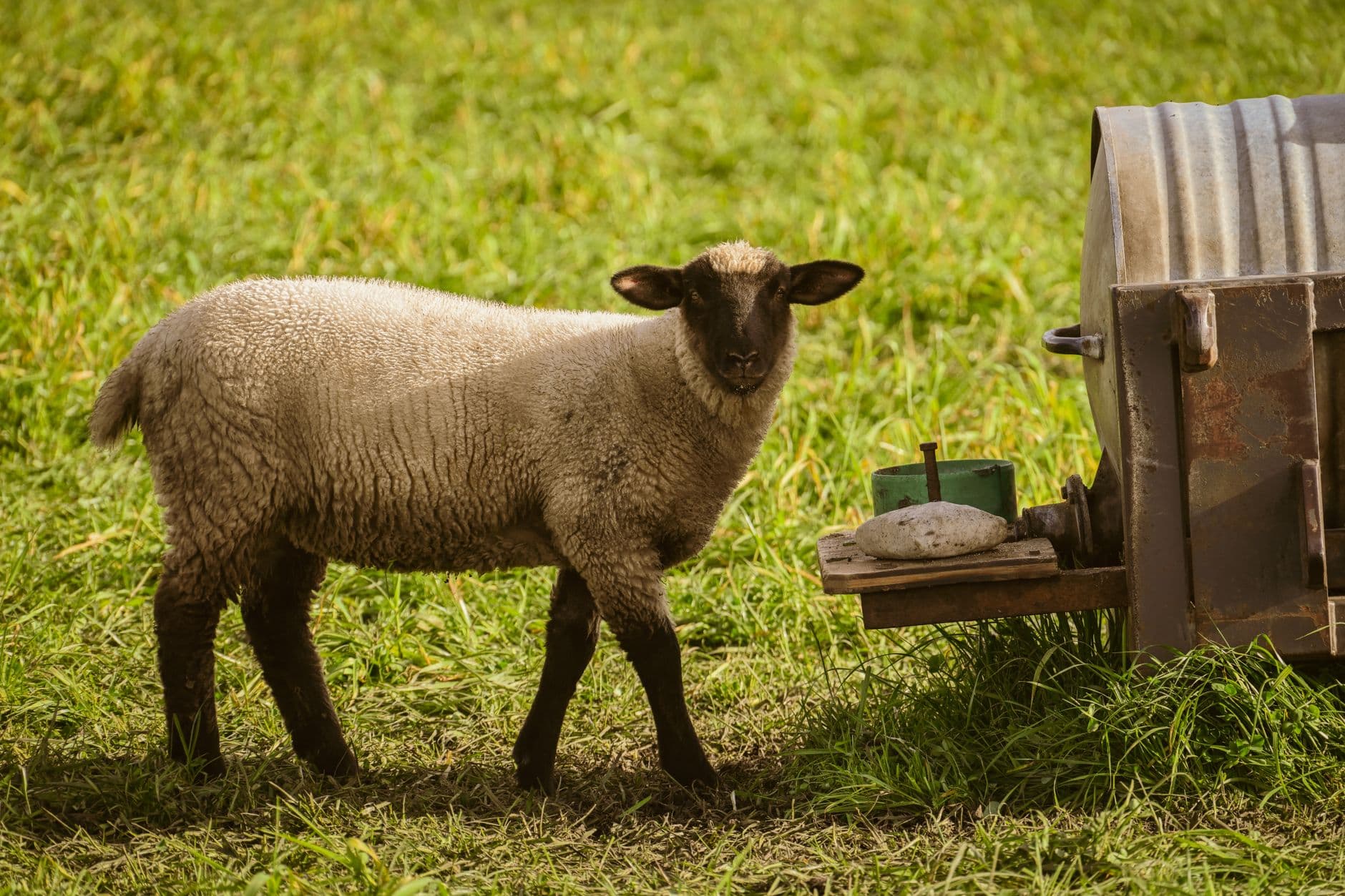
That farm context is the Rustler’s real advantage. Guests are surrounded by sheep, shepherd dogs, lambs, calves, orchard trees, and garden produce, while Tiny Away describes the property as sitting on the edge of a working sheep and beef farm with a calf and lamb nursery. Fresh fruit, salad greens, and herbs help turn the stay into something more immersive than decorative rural branding.
This is where the Rustler’s minimalist layout becomes more persuasive. When the outdoor setting is doing that much of the emotional heavy lifting, the interior does not need to simulate abundance. The house can stay small because the experience expands outward into the farm rhythms around it, and that creates a stronger sense of place than a larger cabin often manages.
Why tiny-house people should pay attention
The Rustler is interesting because it shows a different value proposition from the luxury tiny builds that dominate a lot of social media attention. Instead of selling maximalism in miniature, it sells a reset: fewer objects, fewer distractions, and a tighter connection to the land.
That approach fits Tiny Away’s broader model. The company says it already manages more than 200 tiny houses with land hosts in Australia and New Zealand, and its stated mission is to reconnect guests with nature and help people escape hectic city life. In other words, the Rustler is not a one-off design experiment. It is part of a scaled hospitality network that has learned how to package small-space living as an accessible rural escape.
The company’s origin story helps explain why this formula keeps traveling. In a 2023 interview, founder Jeff Yeo said the idea began in 2017, when he and cofounder Adrian Chia were inspired by rural escapes while traveling in Australia. Tiny Away was founded in Australia in 2018, and it has since expanded beyond its home market into Europe, with homes in Italy, Spain, France, and Sweden.
For tiny-house watchers, that expansion matters. It suggests the Rustler is part of a larger shift in how small homes are being used, not just as housing solutions or aspirational design objects, but as a hospitality format that can be copied, licensed, and moved across regions. The product is the feeling of scale reduction, but the business is built on consistency.
A New Zealand context that makes the stay feel more grounded
The Rustler also sits inside a broader New Zealand conversation about tiny houses that gives the stay more weight than a simple getaway listing. The Ministry of Business, Innovation and Employment released official tiny-house guidance in November 2021, and it says tiny houses still need to be safe, healthy, and durable for their intended use. That framing pushes tiny living away from novelty and toward legitimate built form.
New Zealand Geographic has also noted that tiny houses have found fertile ground in the country because of the housing crisis and changing attitudes toward how much space people actually want. That helps explain why a place like the Rustler lands as more than a cute farm stay. It taps into a culture that is already thinking seriously about smaller footprints, whether for housing, holidays, or both.
The location adds another layer. Timaru gives the stay a regional anchor, and nearby attractions such as Te Ana Ngāi Tahu Māori Rock Art and Caroline Bay give the area more depth than a generic countryside break. Tourism New Zealand and MBIE also frame tourism as a community benefit that supports accommodation, local businesses, and regional development, which is exactly the kind of ecosystem where tiny-house farm stays make economic sense.
What the Rustler ultimately offers is not just a prettier version of sleeping small. It is a compact case study in how tiny-house hospitality can work when the design is disciplined and the setting is doing real labor. The house is tiny enough to test your assumptions, but the farm makes the scale feel intentional, and that is what gives the stay its credibility.
This article was produced by Prism’s automated news system from verified source data, official records, and press releases, then run through automated quality and moderation checks before publishing. The system is built and supervised by the people who set the standards it runs under. Read our full AI policy.
Did this article answer your question?