Seattle expands tiny-home villages, raising shelter cap to 150 residents
Seattle’s council lifted tiny-home village caps from 100 to 150, with one district pilot allowed up to 250 residents, setting a new precedent for shelter scale.
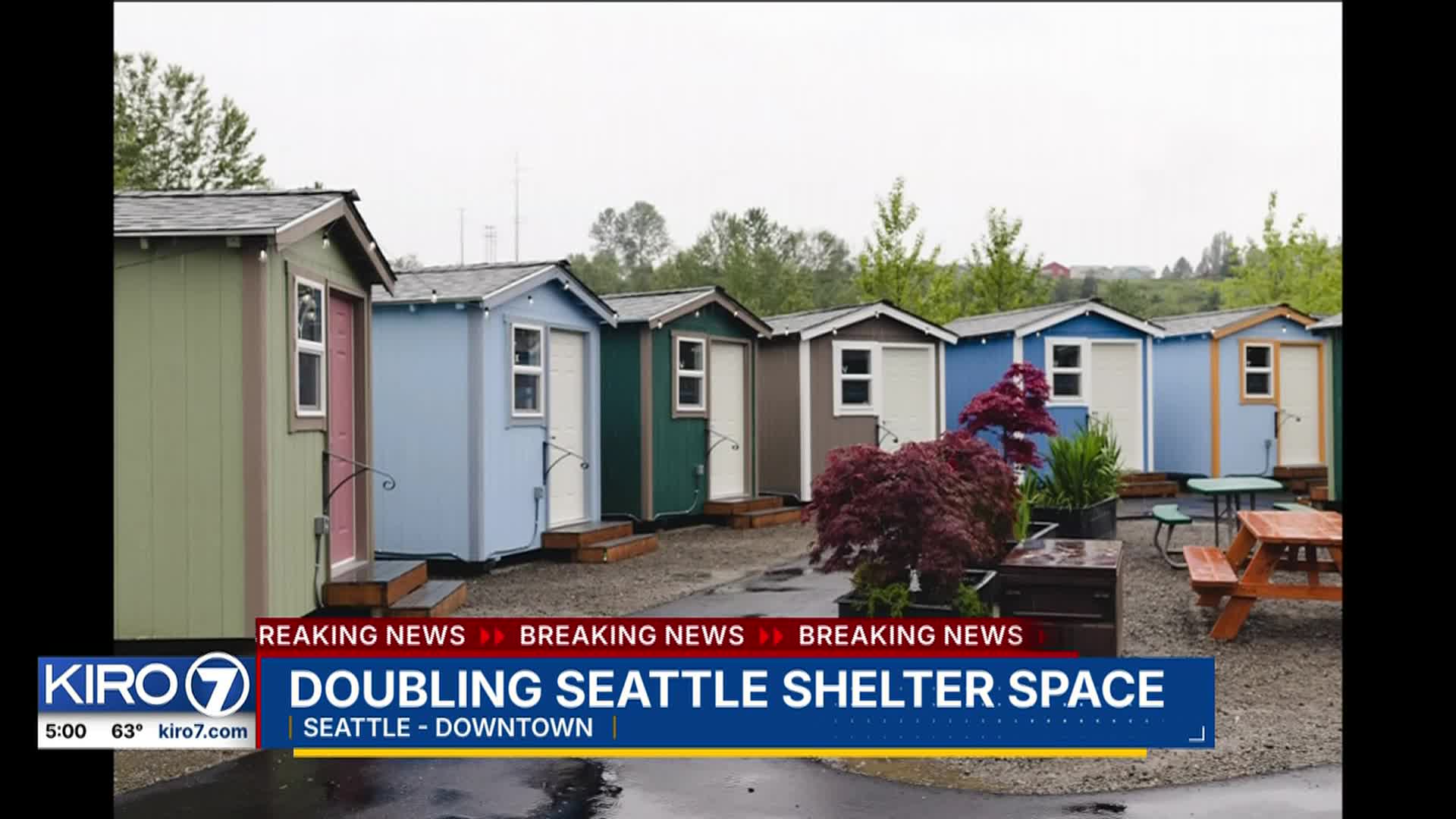
Seattle just rewrote the rules for tiny-home villages and safe lots. On Tuesday, May 20, 2026, the Seattle City Council unanimously approved an ordinance that raises the per-site cap from 100 residents to 150 and allows one future pilot site in each council district to reach 250 people.
That is more than a numbers change. Until now, tiny-house villages and RV safe lots in Seattle were generally treated as small, neighborhood-scale interventions. The new ordinance says they can be much larger, as long as the city builds in oversight and public-safety protections. In practical terms, it gives Seattle a legal and policy template for scaling temporary housing on public land instead of limiting projects to modest pilot size.
The ordinance moved alongside Mayor Katie Wilson’s broader push to add 1,000 new shelter and emergency housing beds in 2026. Wilson issued Executive Order 2026-02 on January 15 to speed up shelter and affordable housing expansion, and the council vote now gives that push a clearer operating path. KUOW reported that the committee version of the plan included a safety plan, a city liaison for neighbors to contact, two round-the-clock onsite staff, and a target of one case worker for every 15 residents. The council also approved an amendment letting the city negotiate extra safety requirements for shelters proposed near schools or other encampments.
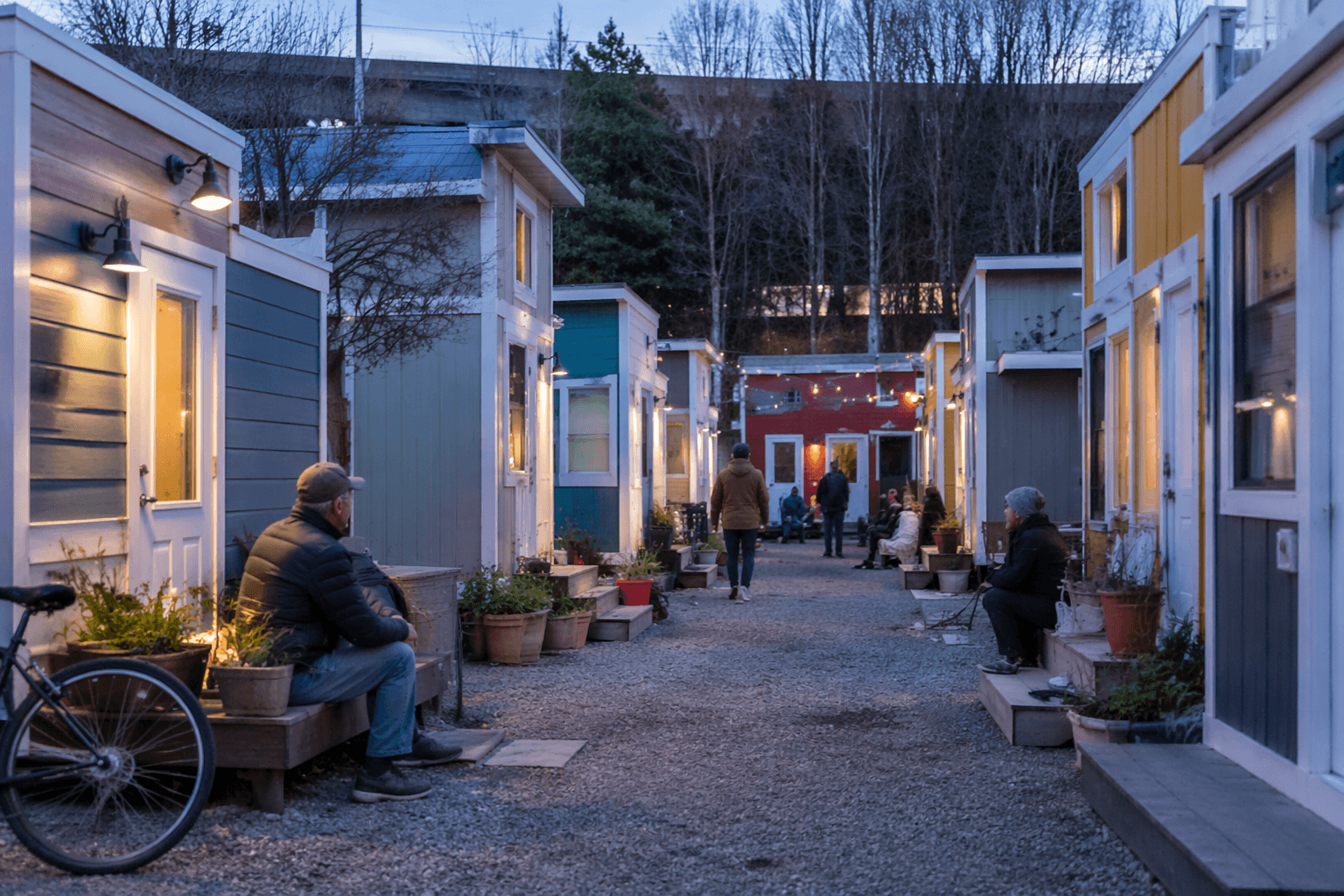
Members drew lines over how large these sites should be and how much security they need. Councilmember Maritza Rivera proposed amendments that would have barred large camps near schools and parks and required 24-hour private security guards. Councilmember Dan Strauss proposed breaking larger camps into smaller internal neighborhoods. The full council rejected both ideas. It also heard competing arguments over public land: some residents warned about crime, disorder and the loss of notice, while city officials argued that vacant public property should not sit idle when shelter demand remains high.
The city’s broader shelter strategy already blends tiny homes with vehicle shelter. In South Park, the King County Regional Homelessness Authority said the Low Income Housing Institute received a $3.3 million contract for a project at Washington State Department of Transportation’s Glassyard site that will include 72 parking spaces and 20 tiny homes, serving 92 households when it opens in summer 2026. That kind of mixed-campus model is exactly what the new ordinance makes easier to repeat.
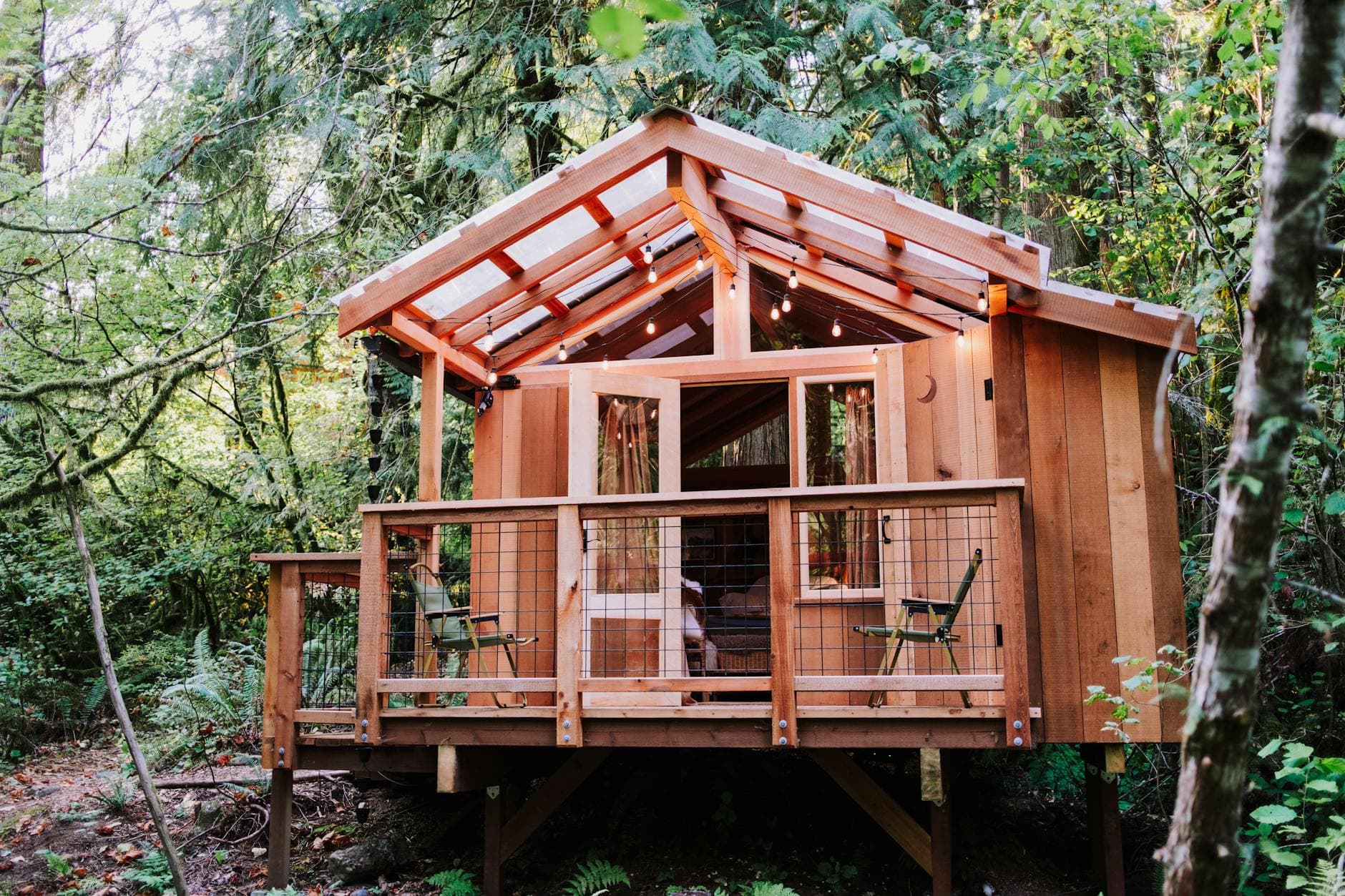
Seattle’s decision now sets a bigger benchmark for the city’s next wave of temporary housing. By lifting the ceiling to 150, and allowing 250 in one pilot site per district, the council signaled that tiny-home villages are no longer just stopgap shelters. They are becoming a citywide housing tool, with larger footprints, tighter rules and a clearer place in Seattle’s permitting playbook.
This article was produced by Prism’s automated news system from verified source data, official records, and press releases, then run through automated quality and moderation checks before publishing. The system is built and supervised by the people who set the standards it runs under. Read our full AI policy.
Know something we missed? Have a correction or additional information?
Submit a Tip