Seniors Considering Tiny Homes Face Unique Costs, Zoning, and Accessibility Hurdles
Tiny homes can save seniors thousands annually, but accessibility retrofits, patchwork zoning laws, and fixed-income financing gaps make the math far more complex than for younger buyers.
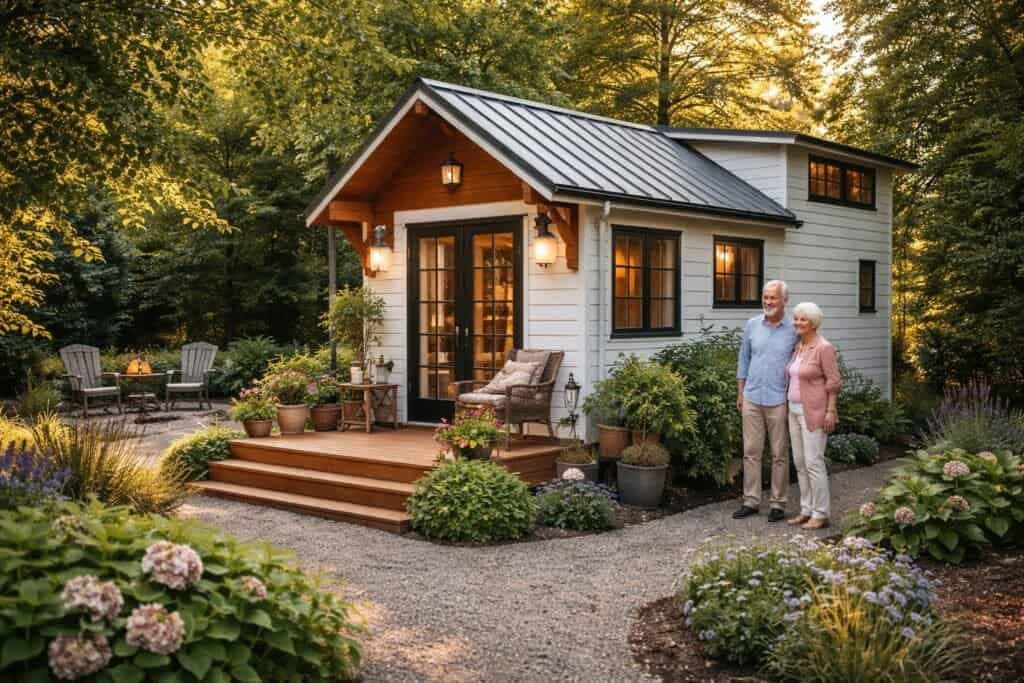
Downsizing to a tiny home sounds like the ideal retirement move: lower overhead, simplified maintenance, and cash freed from a bloated mortgage. But the calculus for seniors is fundamentally different from that of a 32-year-old remote worker parking a THOW on a friend's land. Long-term stability, accessibility requirements, and the unforgiving nature of fixed-income budgeting mean that getting the details wrong isn't just inconvenient; it can be financially devastating. Here's what older adults actually need to evaluate before signing anything.
What Tiny Homes Actually Cost Seniors in 2026
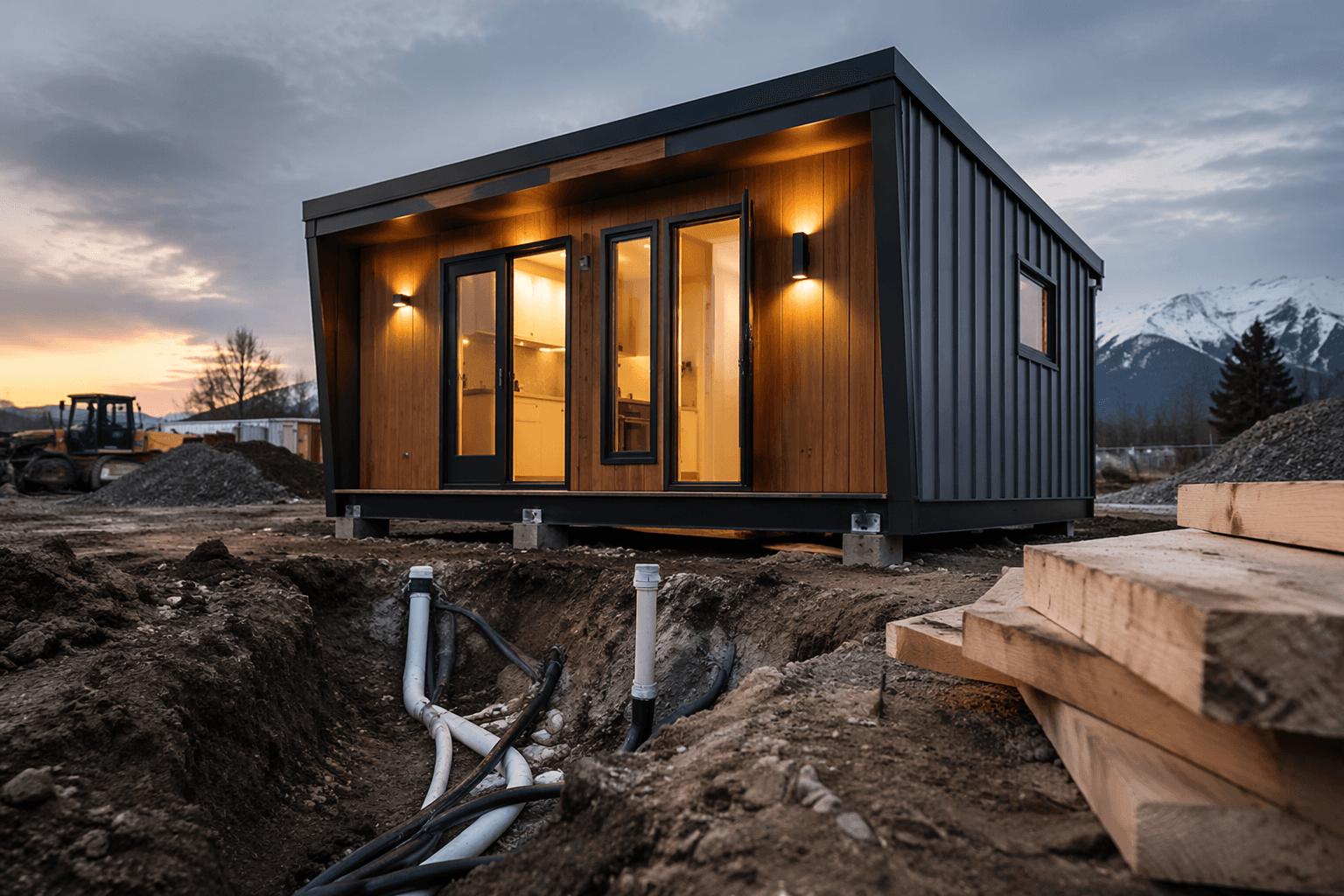
Pricing in 2026 spans a genuinely wide range, from stripped-down basic builds at the lower end to fully custom, accessibility-enabled homes at the premium tier. The base build price, however, is rarely the number that breaks a senior's budget. If you don't already own land, site preparation and land acquisition frequently become the single largest line item in the entire project, sometimes exceeding the home itself.
Utility hookups add another layer most buyers underestimate. Connecting to water, sewer, and electrical grid service carries permit fees and installation costs that vary wildly by municipality and by how far the home sits from existing infrastructure. Then there are the accessibility retrofits: wider doorways to accommodate walkers or wheelchairs, ramp installations, walk-in showers, and ADA-friendly fixtures. Each of these upgrades is entirely reasonable to want; collectively, they push the final budget well above what a typical tiny build would cost a buyer without mobility or health considerations.
The practical rule: build in a contingency of 10 to 20 percent on top of your full projected cost, not just the sticker price of the home. For seniors on fixed incomes where an unexpected $8,000 expense can derail the whole plan, that buffer is not optional.
Ongoing Operating Costs Are Not Small
Monthly operational costs in a tiny home are lower than in a traditional house, but they are not negligible, and for seniors they carry categories younger owners rarely consider. Heating and cooling a well-insulated small space can be efficient, but extreme climates or a home with compromised insulation can spike utility bills disproportionately in a structure with minimal thermal mass. Healthcare-related accessibility upgrades, things that may not be needed at move-in but become necessary within a few years, need to be factored as future operating expenses rather than surprises. A grab bar installation today is cheap; a full bathroom reconfiguration two years into residency is not.
The Zoning Maze: Why Classification Matters More for Seniors
Tiny-home legality is not uniform. It varies not just state by state but county by county and municipality by municipality, and that patchwork is a specific hazard for older adults who need housing stability, not a nomadic workaround.
The first question to nail down: is the home classified as a THOW (tiny house on wheels) or a foundation-based ADU (accessory dwelling unit)? The answer determines which building codes apply, what minimum square footage rules govern the structure, what fire and health-safety compliance is required, and, critically, how secure your occupancy rights actually are. A THOW classified as an RV may face restrictions on how long it can be occupied in a given location. A foundation ADU built without proper permits can trigger eviction or forced removal orders, a scenario that is far more disruptive for a retired senior than for a younger person with more housing flexibility.
The guidance is direct: consult your local building department before breaking ground or signing a purchase agreement. Confirm minimum-size rules for your jurisdiction, verify fire and health-safety compliance requirements, and get approvals documented in writing. Discovering a zoning conflict after construction is not just stressful; it means expensive retrofits or, in the worst cases, forced relocation.
Financing Options for Older Buyers
Traditional mortgage products often don't map cleanly onto tiny homes, particularly THOWs, which may be titled as vehicles rather than real property. For seniors, the financing landscape includes several distinct paths worth evaluating.
- Cash purchase: Seniors who have equity from selling a larger home are often the best-positioned tiny-home buyers. A straightforward cash purchase eliminates interest costs and simplifies the transaction, though it also concentrates a significant portion of savings in a single illiquid asset.
- Retirement-linked financing strategies: These approaches draw on retirement accounts or assets in structured ways to fund a purchase. The mechanics vary and have tax implications; anyone considering this route should work with a financial advisor familiar with senior housing transitions before committing.
- Housing grants and subsidies: When tiny homes are deployed as affordable or supportive housing units, particularly within community-based developments, seniors may qualify for housing assistance programs or grants. These are not universally available for individual private builds, but community-based tiny-home projects increasingly access this funding, making that model more financially viable for lower-income retirees.
Designing for Longevity, Not Just Today
The accessibility features that matter most are rarely the ones seniors think about on day one. A home that works perfectly at 68 may create significant friction at 75. Thinking through the trajectory of aging during the design phase, rather than retrofitting later, is far cheaper and far less disruptive.
- Wider doorways (36 inches minimum for wheelchair or walker clearance)
- Zero-threshold or ramped entries
- Walk-in or roll-in shower configurations
- Lever-style door handles and faucets rather than knobs
- Accessible electrical outlets and switches at heights that don't require bending or reaching
Priority features to build in from the start:
Each of these is straightforward to include during construction and expensive to add after the fact. The framing for seniors should be: design for the self you'll be in ten years, not the self you are today.
Community-Based Models as an Alternative Path
Individual tiny-home ownership is one route; community-based tiny-home developments are increasingly another. These projects, which place multiple small homes on shared land with communal infrastructure, can offer meaningful advantages for seniors specifically. Wraparound services, on-site support, shared maintenance, and social connection are all built into the model in ways that an isolated private THOW cannot replicate.
For seniors who need more than just affordable square footage, who may benefit from proximity to neighbors, coordinated health services, or community programming, these developments represent a fundamentally different value proposition. The tradeoff is reduced autonomy and, in some cases, less flexibility in customization. But for older adults prioritizing security and support over full independence, the community model often makes more practical sense.
The Policy Layer
Individual planning decisions exist within a larger regulatory context that advocates and families should understand. Zoning barriers remain one of the primary structural obstacles preventing tiny homes from serving as a meaningful part of an age-friendly housing strategy. Where ADU rules are restrictive, where minimum square footage mandates effectively prohibit small footprints, and where financing products haven't been developed for this housing type, seniors face artificial limits that have nothing to do with their actual needs or preferences.
Targeted financing programs and zoning reform, specifically the removal of barriers that disproportionately affect small, accessible, affordable units, could meaningfully expand options for older adults at exactly the income levels where housing cost pressure is most acute.
For seniors working through this decision now, the path forward requires precise cost forecasting, early and documented local approvals, and an honest accounting of future health and accessibility needs. A tiny home can absolutely be the right fit for an older adult; it just requires considerably more due diligence than the lifestyle marketing tends to suggest.
This article was produced by Prism’s automated news system from verified source data, official records, and press releases, then run through automated quality and moderation checks before publishing. The system is built and supervised by the people who set the standards it runs under. Read our full AI policy.
Did this article answer your question?