Snake River Tiny Homes and MiniMotives Partner to Fix Zoning Barriers Nationwide
Snake River Tiny Homes and MiniMotives announced a partnership to crack the zoning and classification barriers blocking movable tiny homes from legal placement across the U.S.
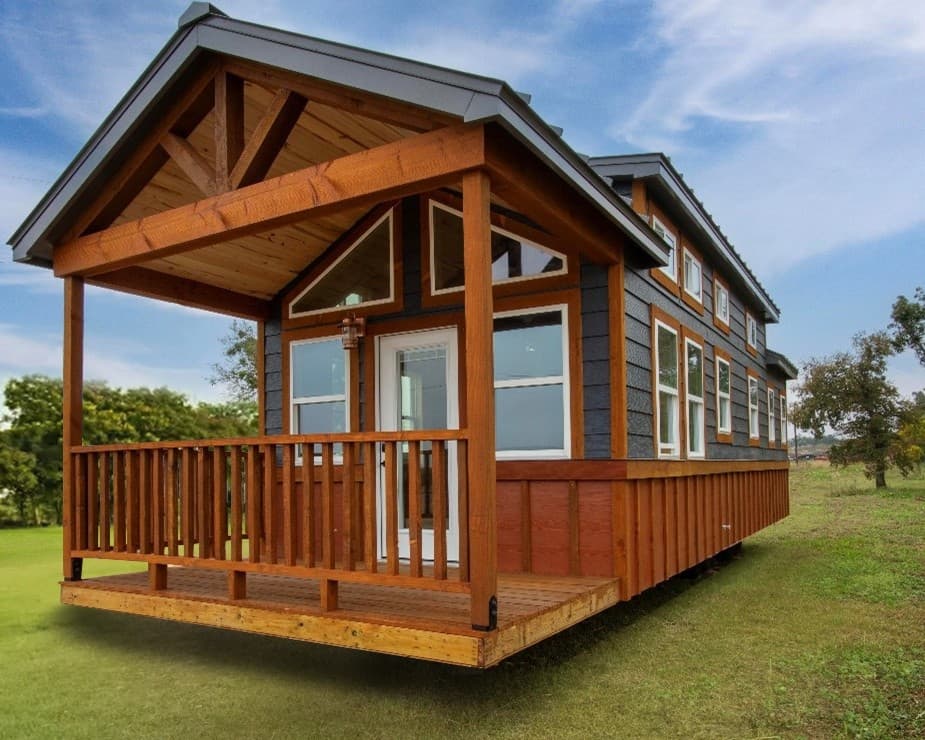
The question of whether a tiny home on a chassis is an RV or a dwelling unit sounds technical, but it determines everything: where you can park it, whether you can hook up permanent plumbing, and whether you have a legal home or a vehicle. Snake River Tiny Homes and MiniMotives announced a strategic partnership on March 30, 2026, aimed directly at that classification fight and the broader tangle of local zoning codes that leave buyers, builders, and municipalities guessing.
The Idaho-based builder and Macy Miller's advocacy and education organization MiniMotives are positioning the collaboration as an industry-plus-advocacy push, pairing Snake River's on-the-ground knowledge of production costs, financing, and customer experience with MiniMotives' existing relationships in building departments and its track record educating code officials. Porter Talbot of Snake River framed the stakes plainly: "Legal placement is one of the biggest challenges facing the tiny home industry today. Through our partnership with MiniMotives, we are committed to helping create real, lasting solutions that make tiny home living more accessible for people across the country."
The partnership's stated work falls into four areas: engaging policymakers and local authorities to push for zoning updates and regulatory clarity; running public education campaigns to cut through the confusion about tiny-home standards; supporting the development of designated tiny-home communities and pilot placements; and building out resources for homeowners, builders, and municipalities that spell out requirements and benefits in practical terms.
That last piece matters more than it might seem. One of the persistent friction points in tiny-home permitting is that local planners often have no model to work from. When a buyer shows up at a county office wanting to site a movable tiny home as an accessory dwelling unit on a single-family lot, the building official may have no applicable ordinance, no precedent, and no guidance document. That's the gap the partnership is targeting: producing model ordinances and pilot-project approvals that other municipalities can copy rather than reinvent from scratch.
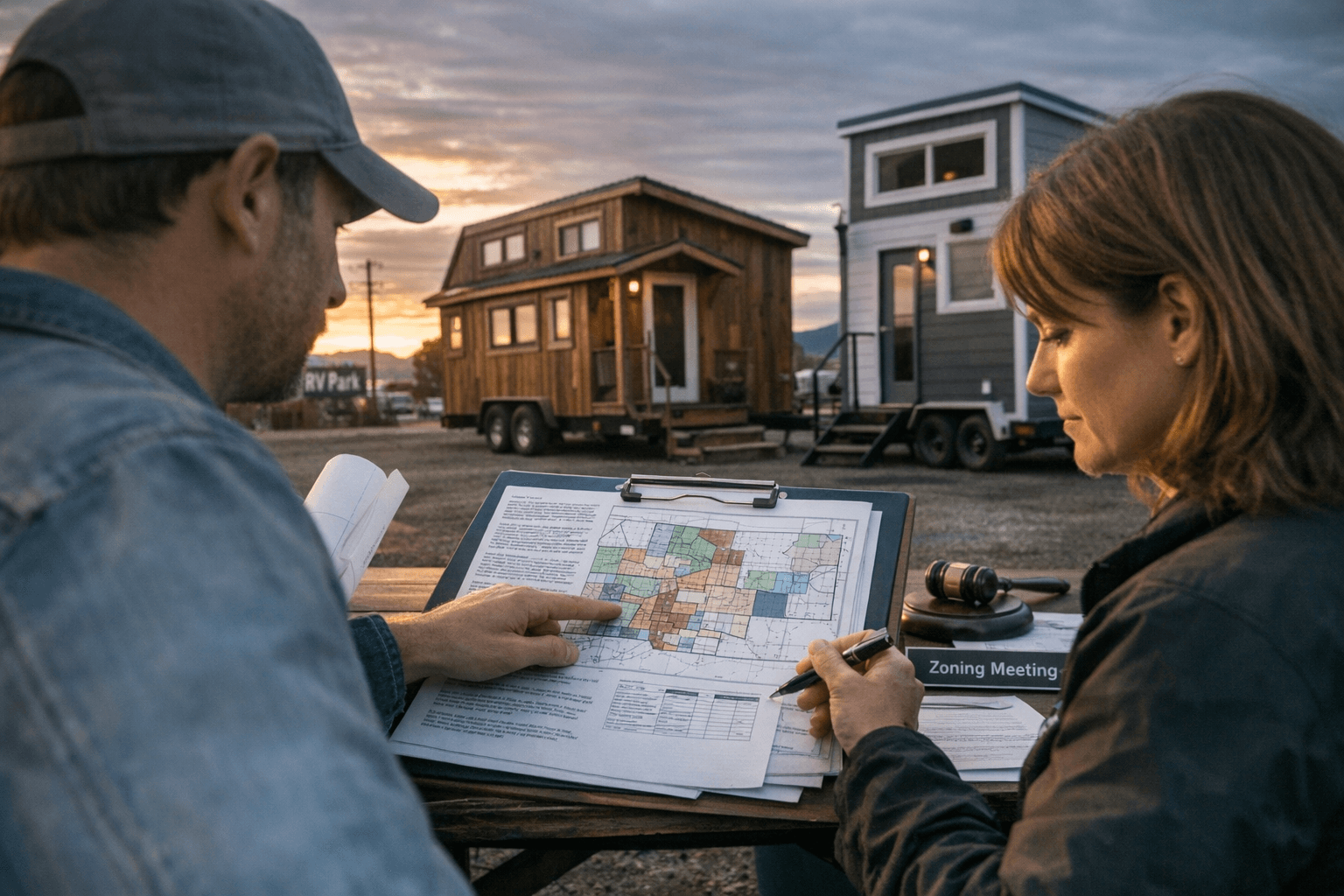
The Appendix Q and Appendix BB efforts in model code language have already moved the needle in some jurisdictions, and advocacy groups have won real statutory changes in a handful of states. But the code wins haven't automatically translated into permitting clarity at the county level, which is where most buyers actually hit the wall. A builder with financing data and production numbers sitting across from a planner, backed by an advocacy group that has already walked building officials through the process elsewhere, changes that dynamic.
The announcement signals intent, not law. No ordinance changed on March 30 and no pilot project broke ground. The measurable outcome will depend on whether the partnership produces published guidance, secures municipal buy-in across a range of jurisdictions, and gets model language adopted somewhere that other counties can point to as precedent. For tiny-home buyers already navigating the placement maze, that follow-through is exactly what will separate this partnership from the press release.
This article was produced by Prism’s automated news system from verified source data, official records, and press releases, then run through automated quality and moderation checks before publishing. The system is built and supervised by the people who set the standards it runs under. Read our full AI policy.
Did this article answer your question?