Tiny home buyers face zoning hurdles before placing a house
The biggest mistake is buying the tiny home before the lot is approved. In South Carolina, zoning, code, and site type decide whether a house can actually be placed.
The first mistake: buying the house before the lot
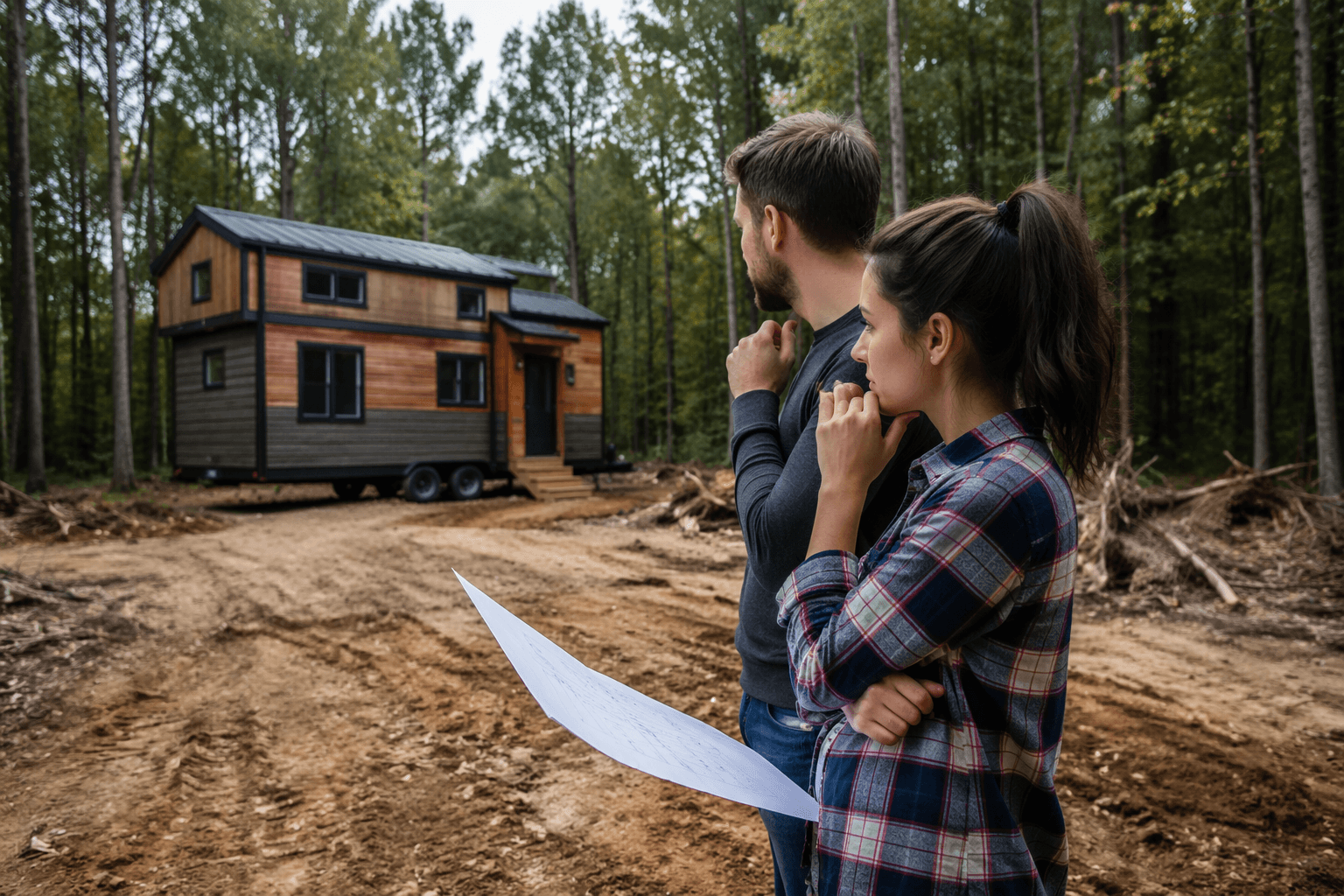
The biggest tiny-home mistake in South Carolina is simple: buyers fall for the floor plan before they know whether the land will accept the house. Zoning comes first, because a tiny home that works in one county or city may be off-limits in the next. That can turn an exciting purchase into a stalled project, especially when the right lot, the right code, and the right approval path were never lined up in the first place.
Wes Skipper of Easley, South Carolina, breaks the issue down plainly: a tiny home is not just a design choice, it is a land-use choice. That means the real question is not only whether the home is built well, but whether the site, the zoning district, and the local rules allow it to sit there legally.
Start with zoning, not with finishes
If you are shopping for a tiny home in South Carolina, the first thing to check is whether the property is zoned for what you plan to place on it. Local rules vary by county and city, so approval in one area does not carry over automatically to another. Skipping that step is how buyers end up with expensive delays, denied permits, or a home that cannot be occupied where they expected.
The safest mindset is to treat the lot as part of the purchase. Before you commit to the build, ask whether the parcel allows a tiny home, what kind of tiny home it allows, and what approvals must happen before anyone can move in.
Foundation homes and homes on wheels are treated differently
Skipper’s guidance draws a bright line between foundation-based tiny homes and tiny homes on wheels. If the home is built on a foundation, the South Carolina building code applies, and the lot must allow that structure before occupancy is approved. In other words, the home has to fit both the construction rules and the land-use rules.
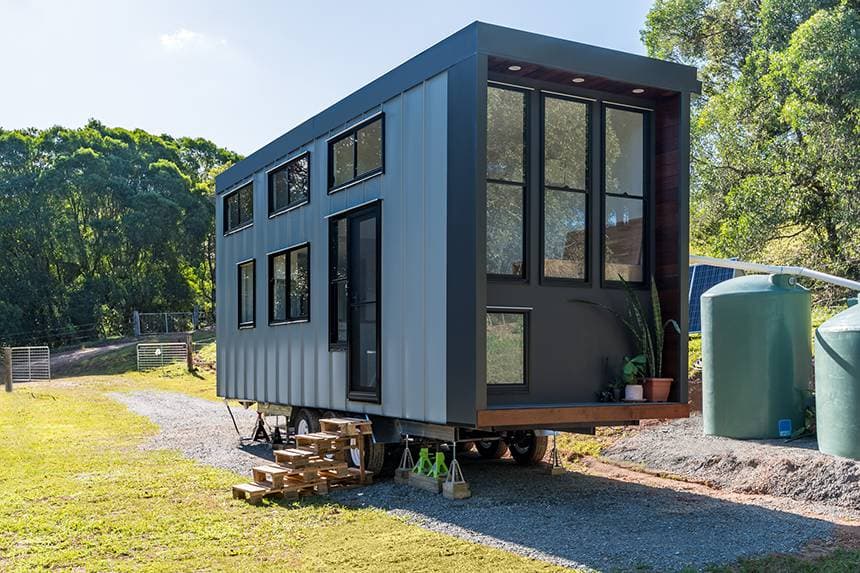
Tiny homes on wheels are usually handled differently. Most zoning systems treat them more like mobile homes or recreational vehicles, which means they are typically limited to mobile home parks, RV parks, or other approved sites. If your plan depends on a movable unit, you still need a place that is specifically set up to accept one.
How South Carolina’s code system fits into the picture
The state side of the process matters just as much as the local side. South Carolina’s Building Codes Council says the latest adopted building codes became effective for local jurisdictions on January 1, 2023, and the council continues to publish 2024 code materials and modification updates. That tells buyers two things at once: the rules are active, and they can change.
The council’s stated role includes adopting or modifying model building codes and regulating the Modular Building Program. For tiny-home owners, that means a project can touch both state-level code issues and local zoning review. It is not enough to know that the house is small. You still have to know which code path it falls under and which office has the final say on the land.
A practical checklist before you place a tiny home
The easiest way to avoid a zoning headache is to walk through the approvals in order:
1. Confirm the property’s zoning district.
Do not assume the parcel allows a tiny home just because the owner says it is available.
2. Match the home type to the rule set.
Foundation-based homes are handled under the South Carolina building code. Homes on wheels are usually reviewed under mobile-home or RV-style zoning rules.
3. Check whether the site itself is approved.
A lot may accept one type of structure and reject another, even if both are called tiny homes.
4. Ask what permits or variances are needed.
Zoning approval, building code review, and occupancy approval are not the same step.
5. Confirm the final decision-maker.
Local offices, not assumptions, determine what is allowed.
That sequence matters because tiny-home buyers often spend their energy on layout, storage, and finishes before they ever ask whether the land is legal for the build.
Lexington County shows how local rules can narrow the path
Lexington County gives a clear example of how local ordinance language can shape tiny-home placement. Its ordinance explicitly addresses tiny homes, and another county ordinance says new or expanding mobile home or tiny home parks must comply with applicable federal, state, and county regulations or guidelines, including the International Building and Residential Codes. Lexington County also defines residential use to include tiny homes.
Just as important, the county says its zoning administrator is the final interpreter of district classification when there is any discrepancy or question. The Lexington County Zoning Office handles zoning applications, variances, complaints, and citizen inquiries, which is exactly where tiny-home buyers often need to start when a parcel looks promising but the rules are not obvious.
Why this keeps tripping up tiny-home buyers
Tiny-house enthusiasm tends to focus on the home itself: compact footprints, lower costs, and the appeal of a smaller way of living. But the regulatory side is where a lot of plans break down, because the legal question is about placement, not just construction. A well-built tiny home can still be a bad fit if the county will not allow that structure on that site.
That is why the strongest first move is not signing a purchase agreement for the house. It is confirming the zoning, the foundation type, and the local approval steps in the exact place where you want to put it.
The common mistake in South Carolina is still the same one: buying the tiny home first and asking about the lot later. The buyers who avoid that trap start with the land, line up the code path, and make sure the home they love can actually be placed where they want to live.
This article was produced by Prism’s automated news system from verified source data, official records, and press releases, then run through automated quality and moderation checks before publishing. The system is built and supervised by the people who set the standards it runs under. Read our full AI policy.
Know something we missed? Have a correction or additional information?
Submit a Tip