Tiny home scams exploit stolen photos, fake listings, and deposits
Scammers are lifting Movable Roots photos for fake tiny-home listings, then chasing deposits from buyers who think they found a bargain.
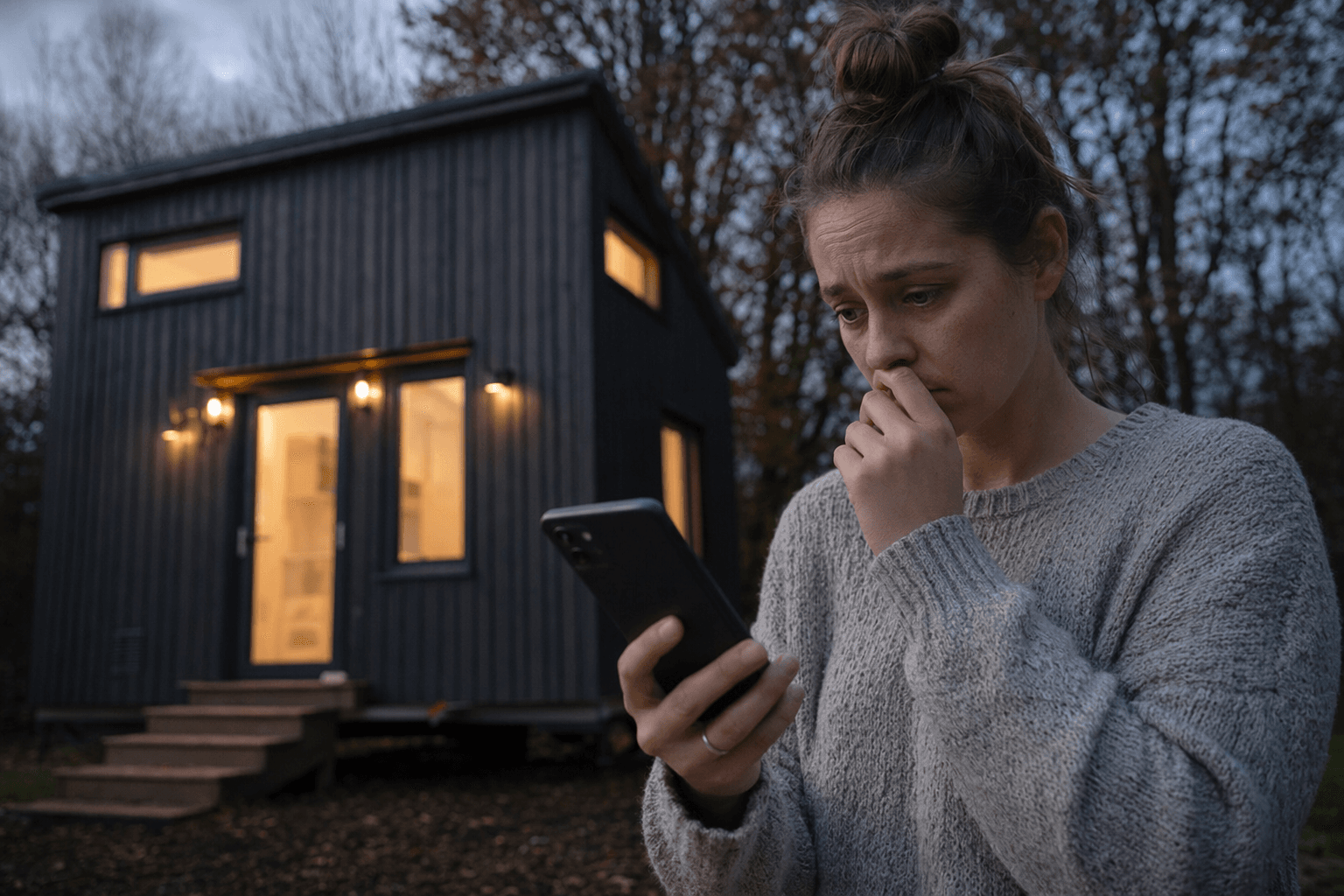
At Movable Roots in Melbourne, Florida, a decade of custom tiny-home and modular-home builds has become bait for scammers who steal professionally shot photos, post fake listings on Facebook Marketplace and spin up bogus websites to make the deals look real. The pitch is always the same: a home that normally costs well into six figures suddenly appears at a fraction of that price, and the buyer is told to move fast and send a deposit.
Movable Roots said the fraud has shown up in copied photos, fake seller names and made-up contact details that borrow the company’s own reputation. In October 2024, the builder warned that scammers were misusing its tiny-home images on Facebook. By August 2025, the company said one would-be buyer drove three hours to its Melbourne warehouse after emailing with a “seller” who claimed to operate out of California and used Movable Roots’ address. That kind of bait-and-switch works because the buyer thinks the paperwork can wait until after the deposit clears.
Tiny House Alliance USA says the scam pattern often includes fake Facebook pages, cloned pages, fake websites and fraudsters using real builders’ names, addresses and photos. The Better Business Bureau has also warned that Facebook Marketplace scams are common and that buyers need to spot warning signs before handing over money. The broader fraud landscape is ugly: the FBI’s 2024 Internet Crime Complaint Center report logged 859,532 complaints and more than $16 billion in reported losses.

The pressure point is payment. The Federal Trade Commission says, “All scammers want to get your money as quickly as possible, in a way that makes it hard to trace them, and hard for you to get your money back.” That is why wire transfers and other hard-to-reverse payments keep showing up in these cases. For tiny-home buyers, the safest move is to verify the manufacturer directly, demand a site visit, ask for the trailer VIN or serial record, compare the seller’s name with the company’s real address, and review the contract before any money changes hands. Florida consumers who spot a scam can contact the Florida Attorney General’s consumer hotline at 1-866-9NO-SCAM and file a complaint immediately.
This article was produced by Prism’s automated news system from verified source data, official records, and press releases, then run through automated quality and moderation checks before publishing. The system is built and supervised by the people who set the standards it runs under. Read our full AI policy.
Did this article answer your question?