Training program builds three tiny homes for Saskatchewan First Nations
Three 485-square-foot homes were delivered to Sweetgrass, Saulteaux and Moosomin First Nations, while BATC used the build to train entry-level workers.
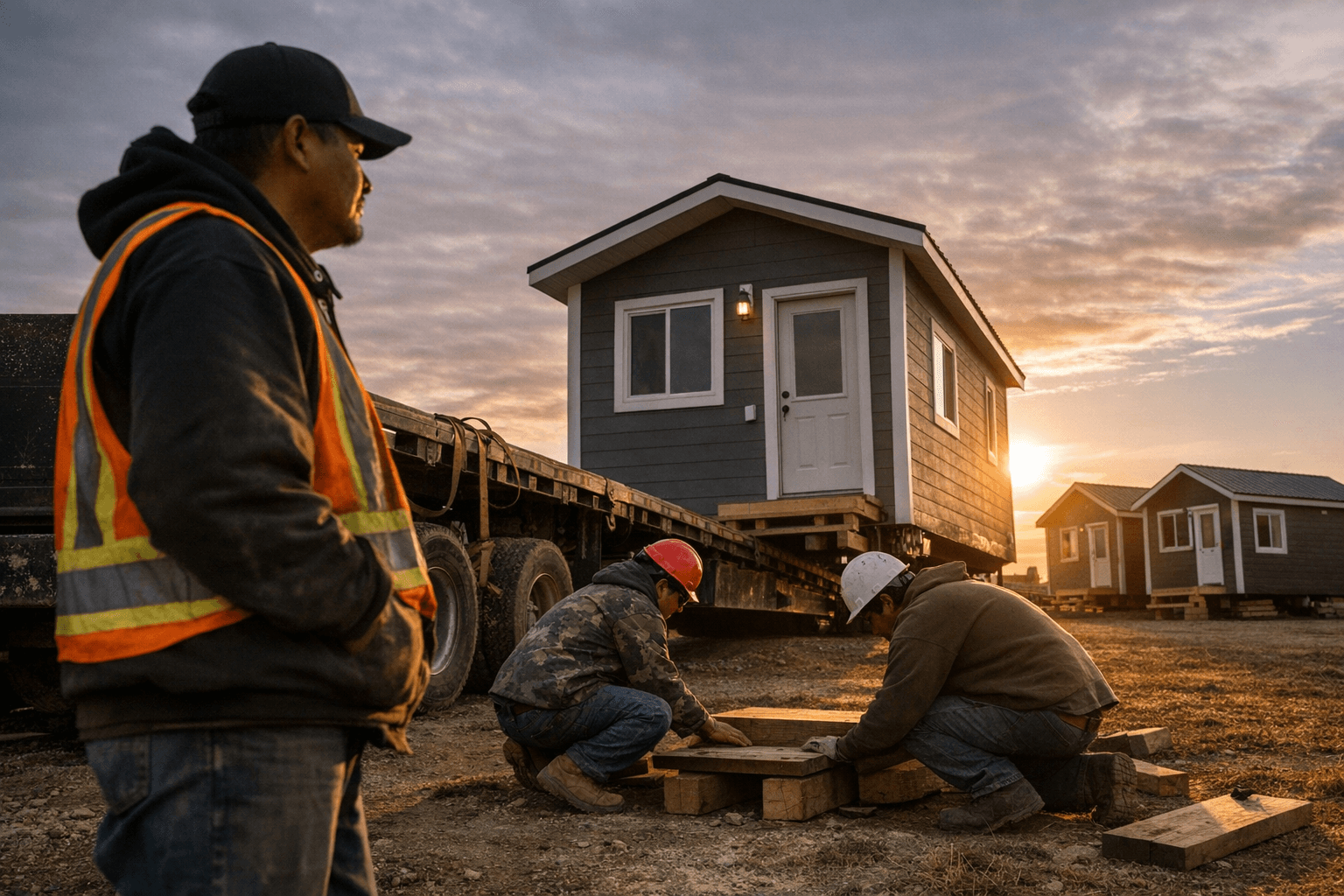
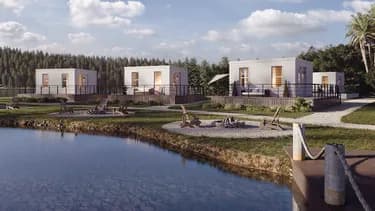
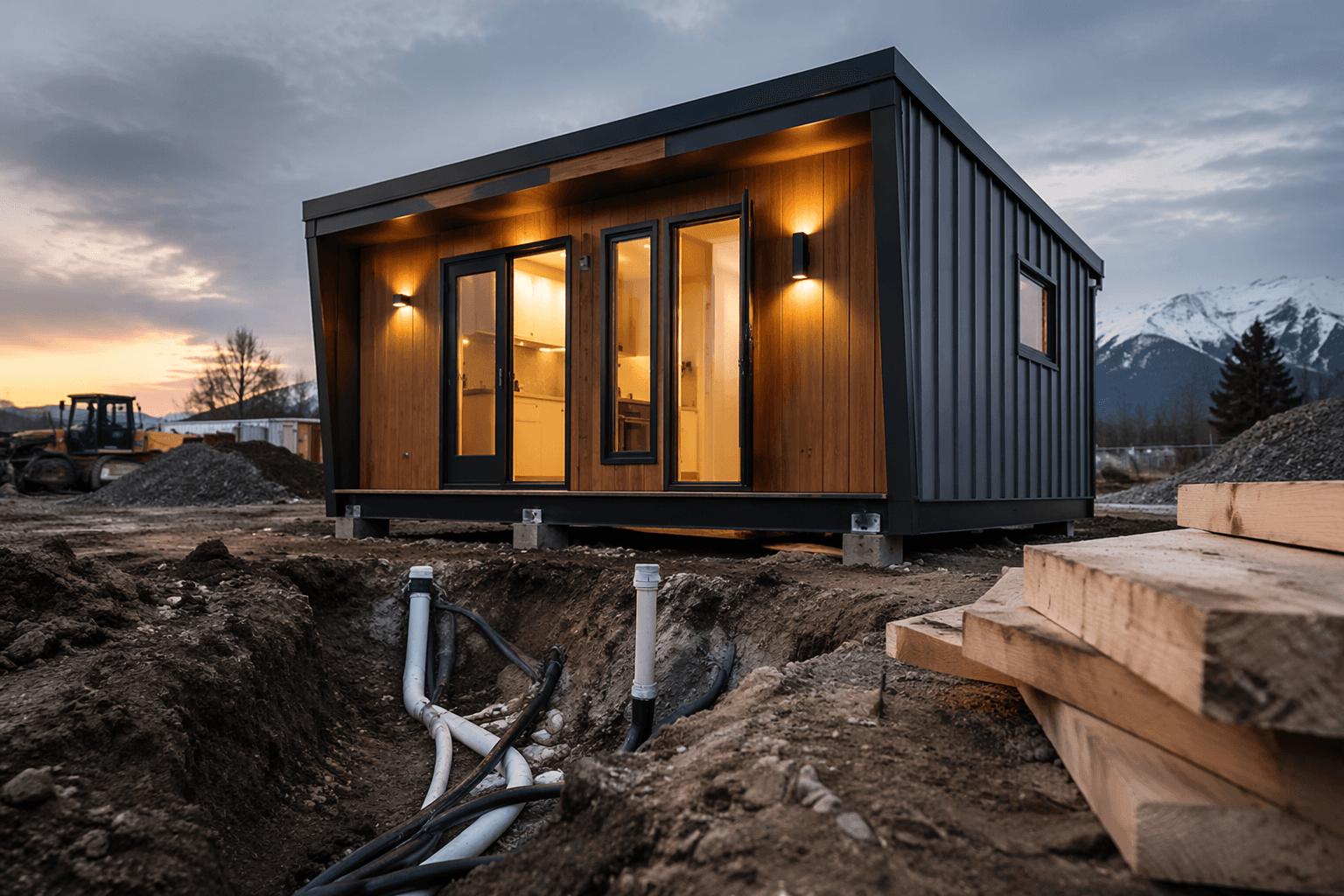
Three tiny homes are now in place for Sweetgrass First Nation, Saulteaux First Nation and Moosomin First Nation, and the Battlefords Agency Tribal Chiefs turned the build into something bigger than housing alone. The pilot project produced one 485-square-foot home for each community, each with a second-level loft, giving the three First Nations compact units that still offer more usable living space than many ultra-small models.
The work came out of the BATC Employment Training Centre, which received funding for the pilot program. Entry-level workers were selected to take part, a certified teacher was brought in to teach construction skills, and BATC’s housing team used engineered drawings to guide the build. Merv Night, BATC’s director of housing infrastructure and project manager, said the project was a one-time effort, but one that worked because it met housing needs while creating another option for the region.
The homes were expected to take about 90 days, but the schedule stretched longer because of barriers along the way. Even so, the project was completed in the fall of 2025 and the homes were then moved to their final locations. That sequence matters in tiny-home work: the value is not just in the shell, but in getting each unit built, transported and set where it can actually serve a community.
BATC’s internal structure helps explain how the pilot came together. The organization says it was formed in the spring of 2007 by Ahtahkakoop Cree Nation, Moosomin First Nation, Red Pheasant Cree Nation, Sweetgrass First Nation and Stoney Knoll First Nation. Saulteaux First Nation joined in 2009, followed by Mosquito Grizzly Bear’s Head Lean Man First Nation in 2014. BATC also says its Housing & Engineering Department was established in 2009, and Night joined the organization in 2021 as director of housing and engineering. That mix of housing capacity and employment programming gave the project a built-in path from concept to completion.
The result also fits into a broader Saskatchewan pattern. The Saskatchewan Apprenticeship and Trade Certification Commission said its Indigenous tiny-homes funding initiative launched in 2021 eventually led to 32 tiny homes being built in 22 Indigenous communities. BATC’s three-home pilot stands as a smaller, highly targeted version of that approach, pairing hands-on training with direct housing delivery.
Saulteaux First Nation, one of the recipient communities, says it is located 43 kilometres north of North Battleford near Cochin and Jackfish Lake, with land holdings of more than 14,386.73 acres. In rural and remote settings like that, compact, transportable housing can be an immediate practical tool. The challenge now is scale, and BATC says it does not currently have the capacity to repeat the project.
This article was produced by Prism’s automated news system from verified source data, official records, and press releases, then run through automated quality and moderation checks before publishing. The system is built and supervised by the people who set the standards it runs under. Read our full AI policy.
Did this article answer your question?