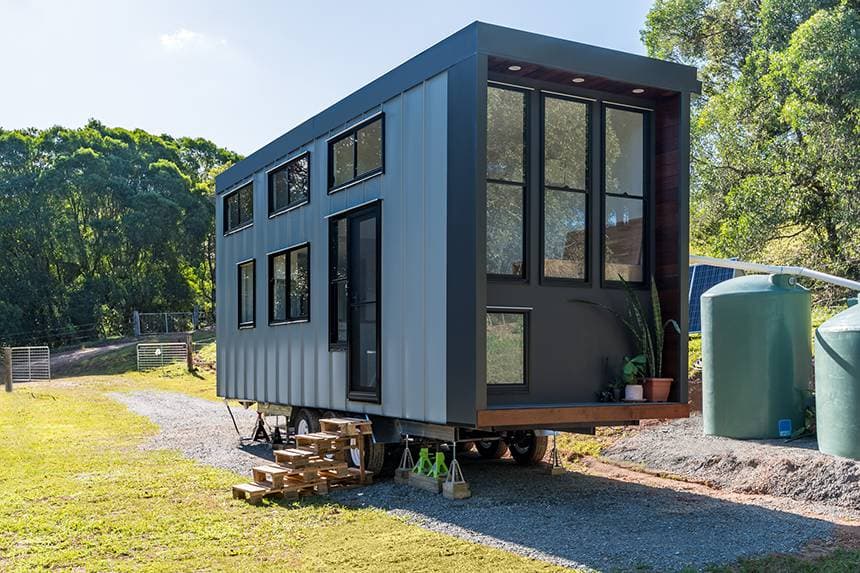
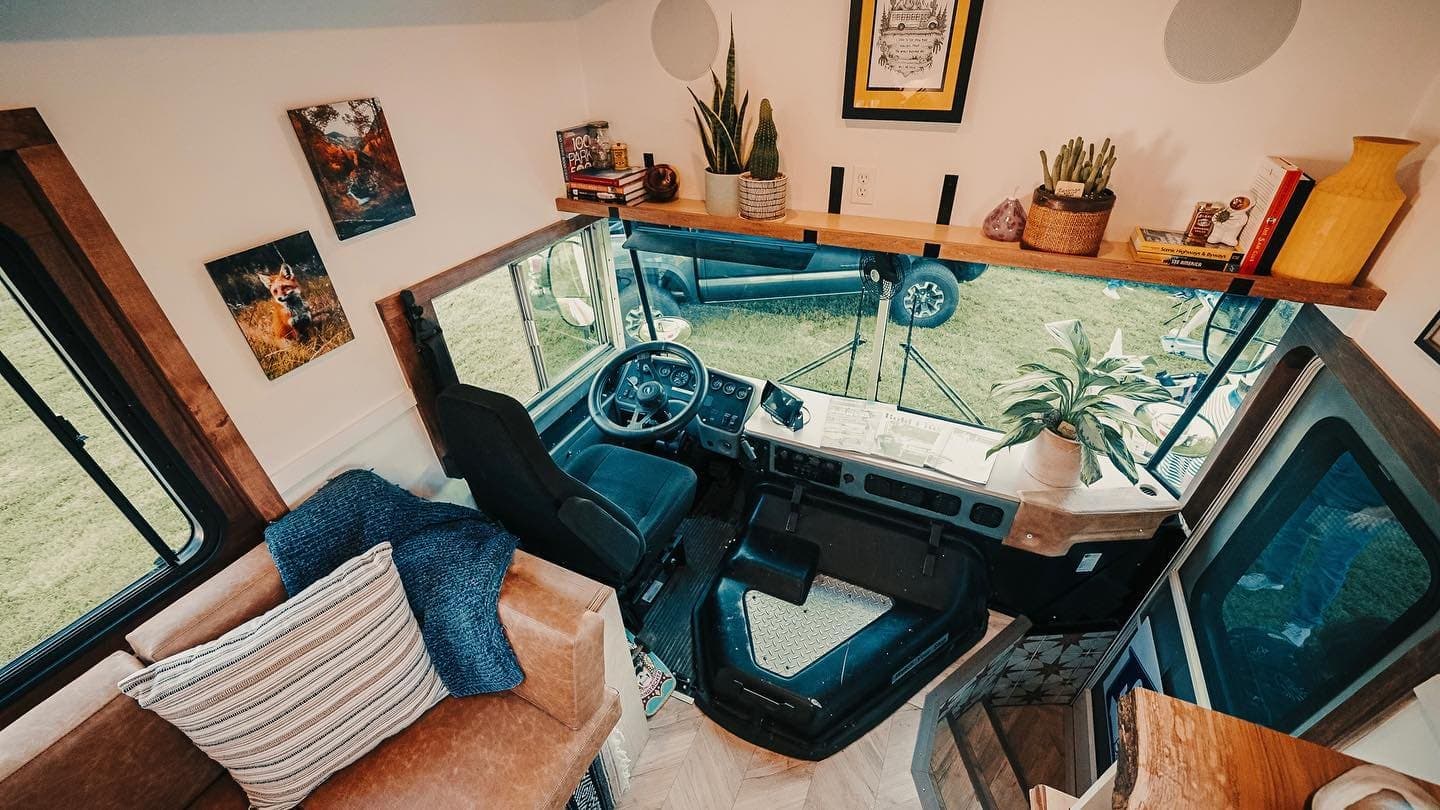
Volume Zero tiny house competition crowns 300-sq-ft home winners
Han K’s water-tower concept won Volume Zero’s 300-sq-ft tiny house contest, while a flood-ready Jakarta design took second and offered real buildable lessons.
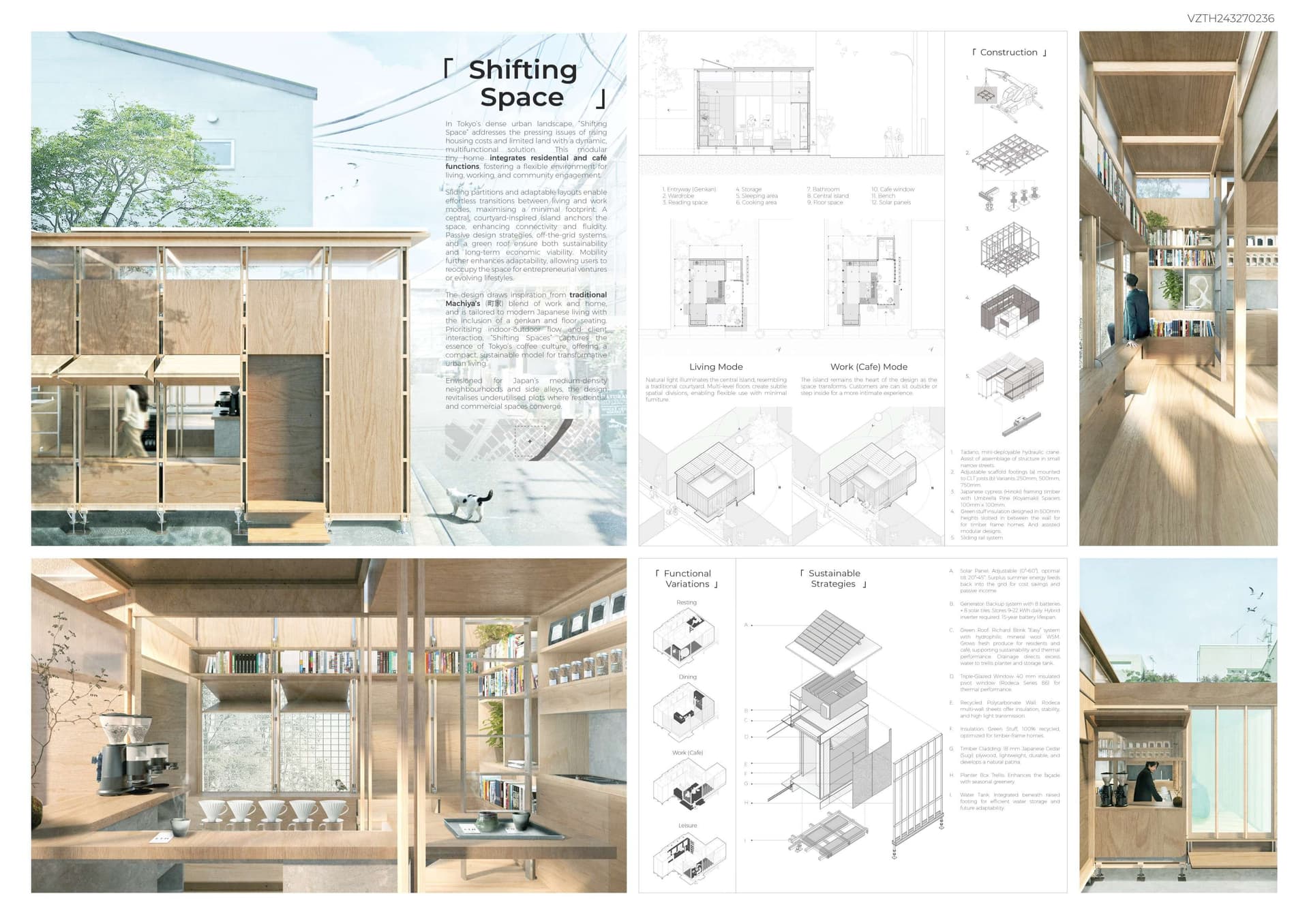
Volume Zero has crowned its Tiny House 2025 winners, and the strongest takeaway for tiny-house builders is not the prize list but the design logic behind it. First place went to “Housing is a Human Right” by Han K of Taiwan, while second place went to “Pasang” by Malvin Bastian Sendi and Selina Sunardi of Indonesia in a field that drew entries from 37 countries. Every submission had to fit a fully functional home for two people within a maximum built-up area of 300 square feet, with $4,500 in total prize money on the line.
Han K’s winning concept looks beyond the usual tiny-house template and turns New York City’s wooden water towers into an underused urban resource for affordable micro-living. That idea is the most transferable lesson in the entire contest: think first about what existing structure, site, or shell can carry the house, not just how to squeeze furnishings into a small box. For real-world builders, the move is less about copying a water tower and more about borrowing its efficiency, using height, compact planning, and a hard limit on wasted space.
“Pasang” pushes a different kind of practical lesson. Set in Muara Angke, Jakarta, where tidal flooding has become increasingly frequent, the second-place concept reflects a place where homes often have to function as both living space and work space. That matters for tiny-house design because it points straight at the features that make a 300-square-foot home livable: flexibility, durability, and a layout that can switch roles without adding square footage. The best takeaway from that project is not novelty, but resilience. If a home has to absorb flooding and still support daily work, every surface and zone has to earn its place.
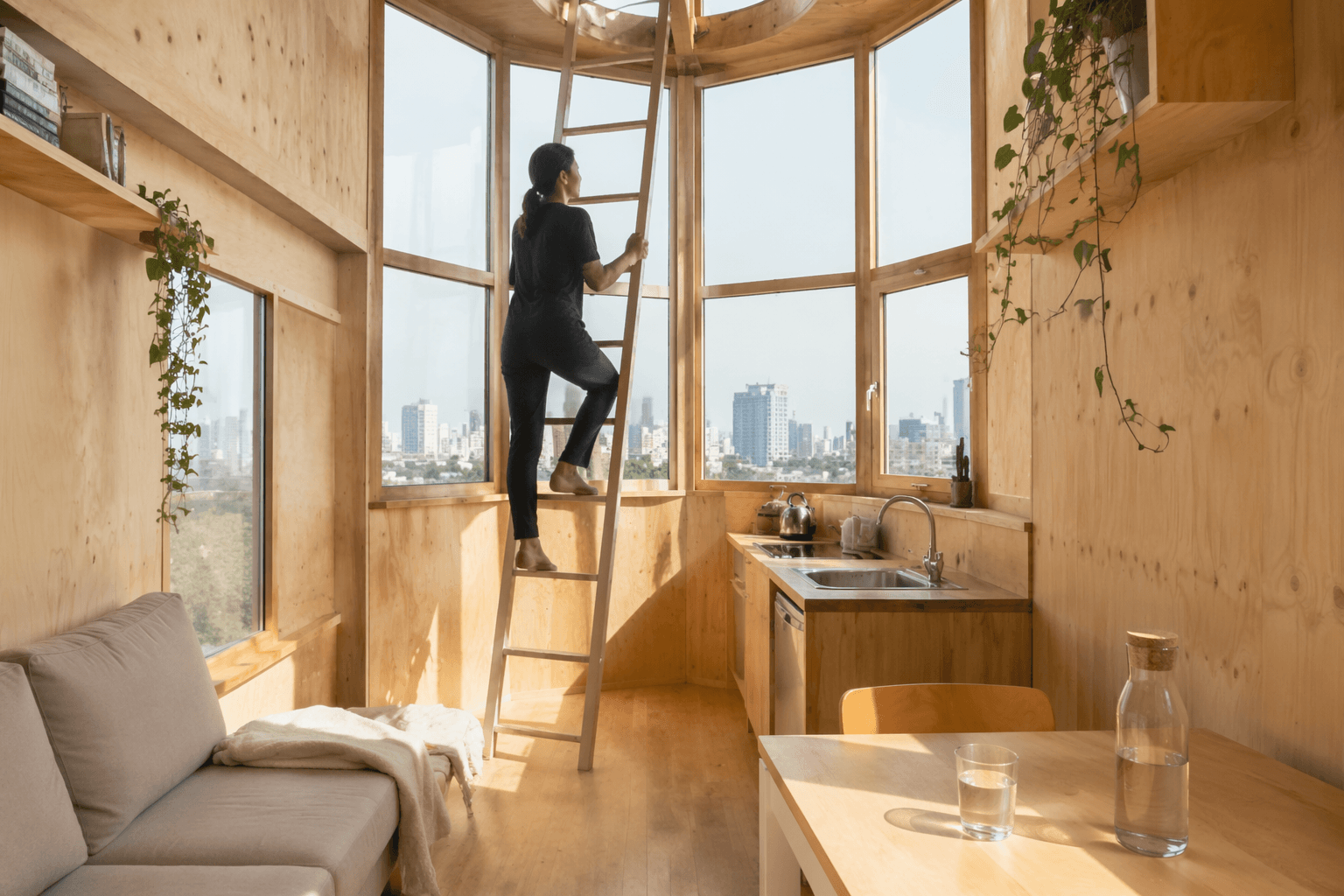
The 2025 competition was judged by a 15-member panel that included Antonio Yemail Cortés, Cheng Tsung Feng, Fernando Weber, Gonçalo Marrote, Greg Faulkner, Hiren Patel, Marie Combette, Daniel Moreno Flores, Nicolas del Rio, Rob Brown FAIA, Sergio Araneda, Shabna K, Sham Salim, Srikanth Reddy, Vinh Phuc Ta and Yong Ju Lee. Volume Zero said the winners and honorable mentions would be published on its website and in international architecture and design magazines.
Compared with the 2024 edition, which drew participants from more than 46 countries and carried the same $4,500 prize purse, this year’s contest still showed a wide global reach even with a smaller pool. For tiny-house builders, the message is clear: the strongest 300-square-foot homes are not competition fantasies, but tightly edited plans anchored to a real site and a real way of living.
This article was produced by Prism’s automated news system from verified source data, official records, and press releases, then run through automated quality and moderation checks before publishing. The system is built and supervised by the people who set the standards it runs under. Read our full AI policy.
Know something we missed? Have a correction or additional information?
Submit a Tip