Waco Adds $1 Million to Keep Tiny Home Village Opening on Schedule
Waco's $1M pledge puts Creekside's 40 first-phase tiny homes weeks from move-in, covering infrastructure overruns on a 328-unit village that charges residents $294-$575/month.

The city of Waco committed an additional $1 million to Mission Waco's Creekside Community Village on April 8, bridging infrastructure cost overruns that threatened to delay first occupancy of a 68-acre tiny-home development that has been years in the making. First residents are expected to begin moving in within weeks.
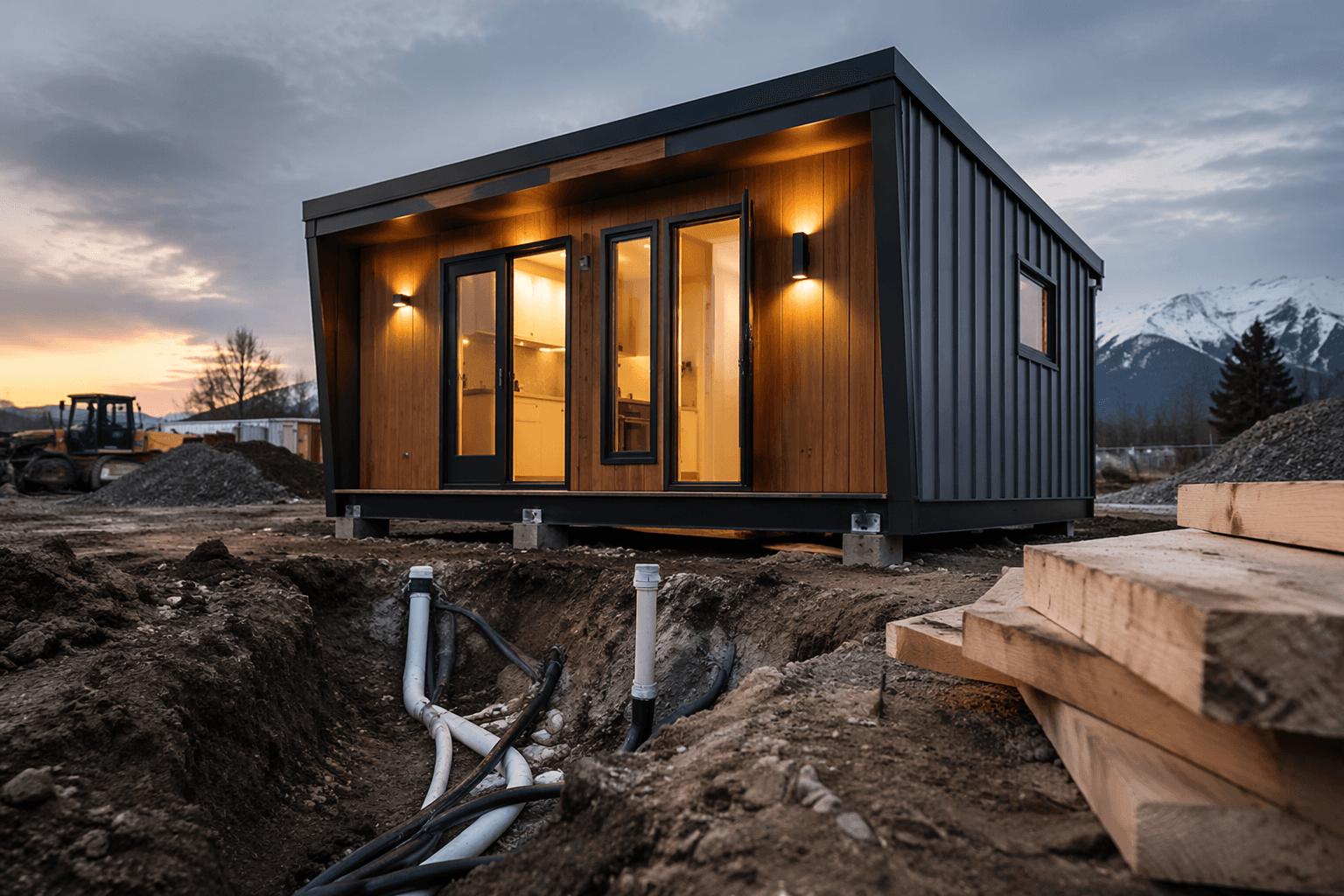
The supplemental pledge covers cost increases that arose after initial plans for the 3810 S. University Parks Drive site were approved, specifically water, sewer, road grading, utility connections, and required inspections — the full municipal infrastructure stack that had to be completed before delivered tiny homes could legally be occupied. Without it, the project risked stalling at the worst possible moment: units already on site, residents already vetted, and opening within reach.
Phase I delivers approximately 40 tiny homes alongside community kitchens and centralized bathrooms. At full build-out, Creekside targets 328 units across the 68-acre site, with capacity to permanently house more than 300 formerly homeless McLennan County residents. Rents will range from $294 to $575 per month for homes spanning 100 to 600 square feet, eight professionally designed styles in the first neighborhood alone. Around 6 percent of units carry priority reservations for military veterans, a share that comes with no reduction in the wraparound support services available to all residents.
The April 8 pledge carries a clear political signal. Creekside had already endured federal grant reductions that stalled earlier phases of the project; the city's decision to step in with another $1 million precisely at the moment of first occupancy signals that Waco's local government intends to absorb funding volatility rather than let it compress the timeline further. City officials and Mission Waco representatives framed the investment as cost-efficient, arguing that permanent supportive housing at this scale displaces far more expensive public outlays in emergency rooms, overnight shelters, and policing.
Mission Waco, the nonprofit developer and operator, was founded in 1978 when Jimmy and Janet Dorrell purchased a deteriorating house in North Waco. Creekside, which Mission Waco modeled after Mobile Loaves and Fishes' Community First! Village in Austin, represents the organization's largest undertaking by a significant margin. Community First! now houses more than 420 formerly homeless residents and reports an 88 percent resident retention rate, a benchmark the Waco project will be watched against closely. All Creekside applicants must document at least one year of homelessness within McLennan County and fall within an income band of $700 to $18,700 annually.
If Phase I reaches Community First!-level retention outcomes, Creekside's operating model — faith-based nonprofit operator, lower-cost land outside municipal boundaries, and city-backed infrastructure funding — could give Texas municipalities a replicable template for scaling permanent supportive tiny-home housing without the land acquisition costs that typically make urban projects prohibitive. The open question is whether Waco's financial commitment ends at this $1 million bridge or extends into the longer operating and services subsidy the village will need as it builds toward its 328-unit ceiling.
This article was produced by Prism’s automated news system from verified source data, official records, and press releases, then run through automated quality and moderation checks before publishing. The system is built and supervised by the people who set the standards it runs under. Read our full AI policy.
Did this article answer your question?