Wisconsin landowner says zoning blocks tiny homes for her children
A Wisconsin landowner said 37 acres still weren’t enough for three tiny homes for her kids. Zoning and a floodplain overlay stood in the way.

A Wisconsin landowner said 37 acres still were not enough to build three tiny homes for her children, turning a family plan into a lesson in how local rules can override raw acreage. Miller said she wanted to place several small homes on land she owns outright so her kids could live nearby, but a local official repeatedly told her the parcel was not zoned for more than one home.
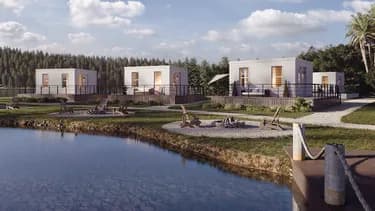
That is the shareable tension at the center of the story: the property looked large enough for a tiny-home cluster, yet the zoning district controlled what could legally go on it. Miller said the project would have created a small multi-home family compound, but without a zoning change or another local approval, the plan stopped at the boundary line. The dispute landed squarely in the familiar tiny-house gap between ownership and buildable rights.
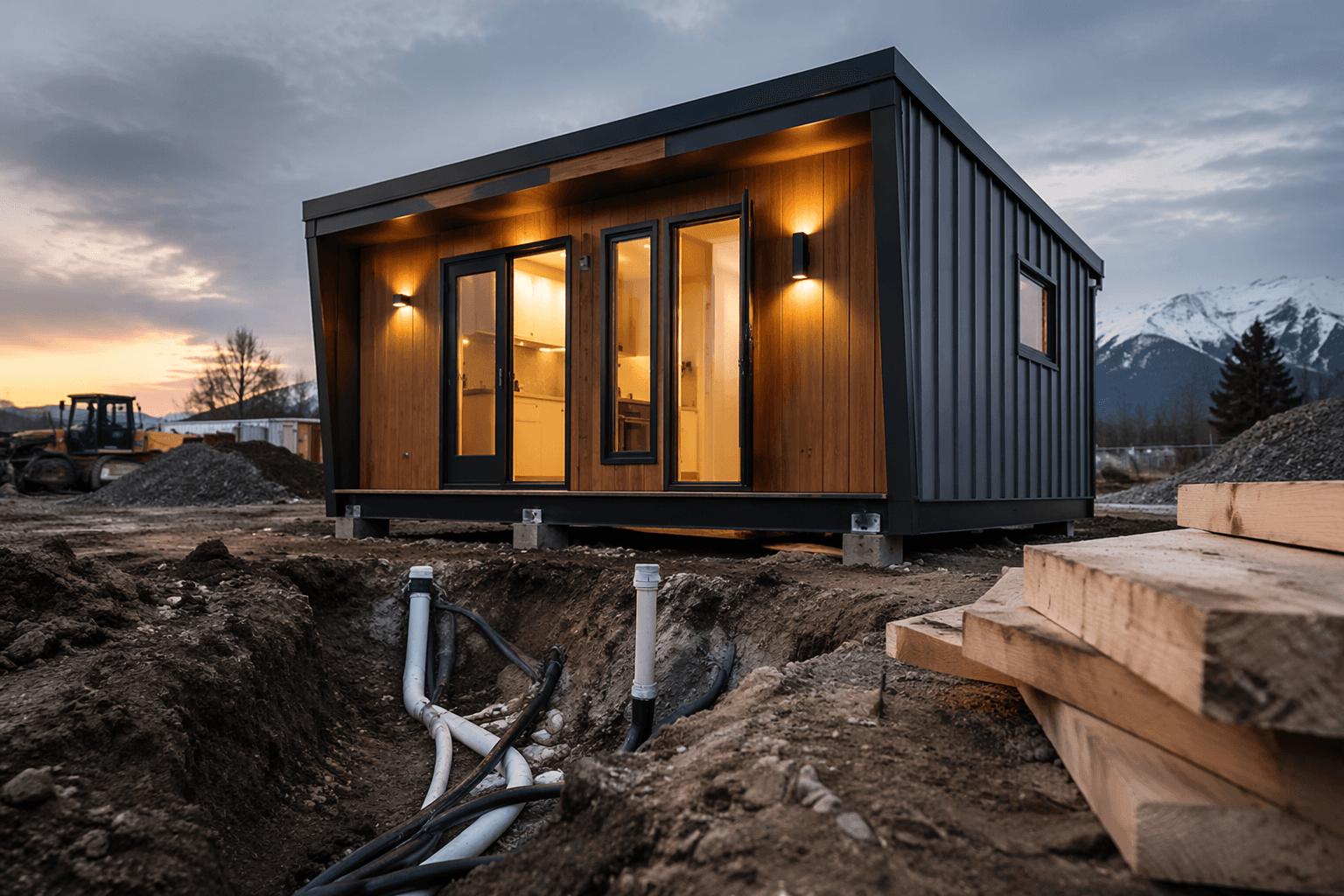
The land also carried a second obstacle. Miller said part of the property fell within a 100-year floodplain, and she questioned whether that designation should still apply after drainage work on the site. In Wisconsin, floodplain ordinances regulate special flood-hazard areas shown on Flood Insurance Rate Maps, and local officials are responsible for evaluating floodplain presence, issuing floodplain development permits, and enforcing those rules. For tiny-home owners, that means a parcel can be big enough on paper and still require another layer of review before any foundation is poured.
State law does not erase that local power. Wisconsin’s Uniform Dwelling Code is the statewide building code for one- and two-family dwellings built since June 1, 1980, but zoning decisions remain local. That is why a tiny home that meets building-code standards can still be blocked by land-use rules. Wisconsin’s 2023 Act 16, signed on June 22, 2023, changed parts of the zoning-amendment and residential-housing-development approval process, and some provisions took effect on January 1, 2025, but it did not automatically change local zoning classifications.
The bigger picture is why Miller’s case hit a nerve in the tiny-house community. Wisconsin’s own tiny-home guidance has described foundation-built tiny homes as subject to the UDC, while tiny houses on wheels are often treated as RVs, which makes private-land placement even harder. Miller was reportedly told a rezoning request might allow an extra home, but nothing sounded immediate or guaranteed. For now, the story leaves the same hard fact in place: even 37 acres can still be too little when zoning and floodplain rules say one home is all the land may hold.
This article was produced by Prism’s automated news system from verified source data, official records, and press releases, then run through automated quality and moderation checks before publishing. The system is built and supervised by the people who set the standards it runs under. Read our full AI policy.
Did this article answer your question?