ACLU toolkit helps defense attorneys uncover hidden police surveillance tech
ACLU Massachusetts rolled out a toolkit to help defense lawyers force hidden surveillance tech into the record, including facial recognition and AI-written police reports.

The ACLU of Massachusetts released an online toolkit on July 19, 2026 aimed at criminal defense attorneys who need to know whether digital surveillance technology helped build a case against their clients. The Surveillance Discovery Project package includes model discovery and preservation motions designed to identify and lock down information on police use of surveillance tools before it disappears from the file.
The civil liberties group said the toolkit is meant to give defense lawyers a practical way to uncover technology police may have used but not disclosed. WIRED described the effort as targeting systems officers use and often conceal in criminal cases, including facial recognition and AI-written police reports. That focus puts the fight over surveillance where it can matter most in a courtroom: what was in the investigative record, who relied on it, and whether the defense ever got a clear look at the technology behind an arrest or affidavit.
The new toolkit grew out of years of records work in Massachusetts. Between 2019 and 2020, the ACLU of Massachusetts filed more than 400 public records requests about facial recognition across the state, and the group’s database now contains 1,403 government documents. On March 1, 2021, the organization released public records it said showed widespread police use of face recognition in Massachusetts.
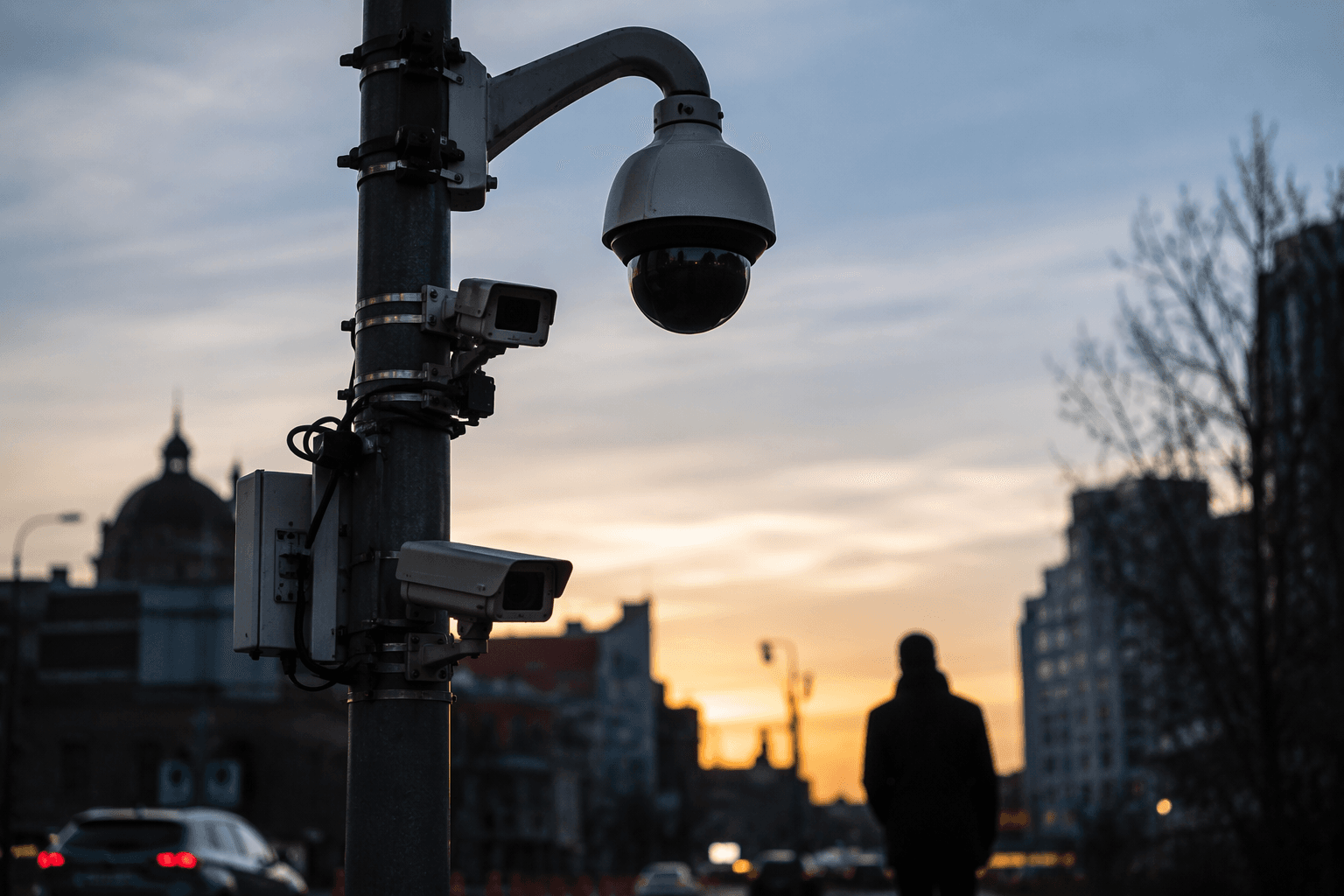
State lawmakers then imposed limited face-recognition regulations that took effect on July 1, 2021. A Massachusetts legislative commission later recommended additional reforms on March 22, 2022, extending the policy fight beyond disclosure and into the scope of police use itself.
The ACLU of Massachusetts has also pressed the issue in court. In November 2023, it filed a public-records lawsuit against the Massachusetts State Police seeking information about the state’s use of a powerful surveillance technology that had drawn strong public backlash in Massachusetts communities. The new defense toolkit extends that campaign into criminal practice, where the stakes can be a search warrant, a charge, or a conviction built in part on software no juror ever sees.

In the cases that matter most, the hidden tool is often the crucial one. The new motions are designed to force it into view before the record closes around it.
This article was produced by Prism’s automated news system from verified source data, official records, and press releases, then run through automated quality and moderation checks before publishing. The system is built and supervised by the people who set the standards it runs under. Read our full AI policy.
Did this article answer your question?