Chicago Man Charged With Killing, Concealing Mother's Body in Roseland Home
Cadaver dogs found Daniest Graves, 88, wrapped in a rug in her Roseland home nearly two weeks after she was last seen. Her son is charged with murder.
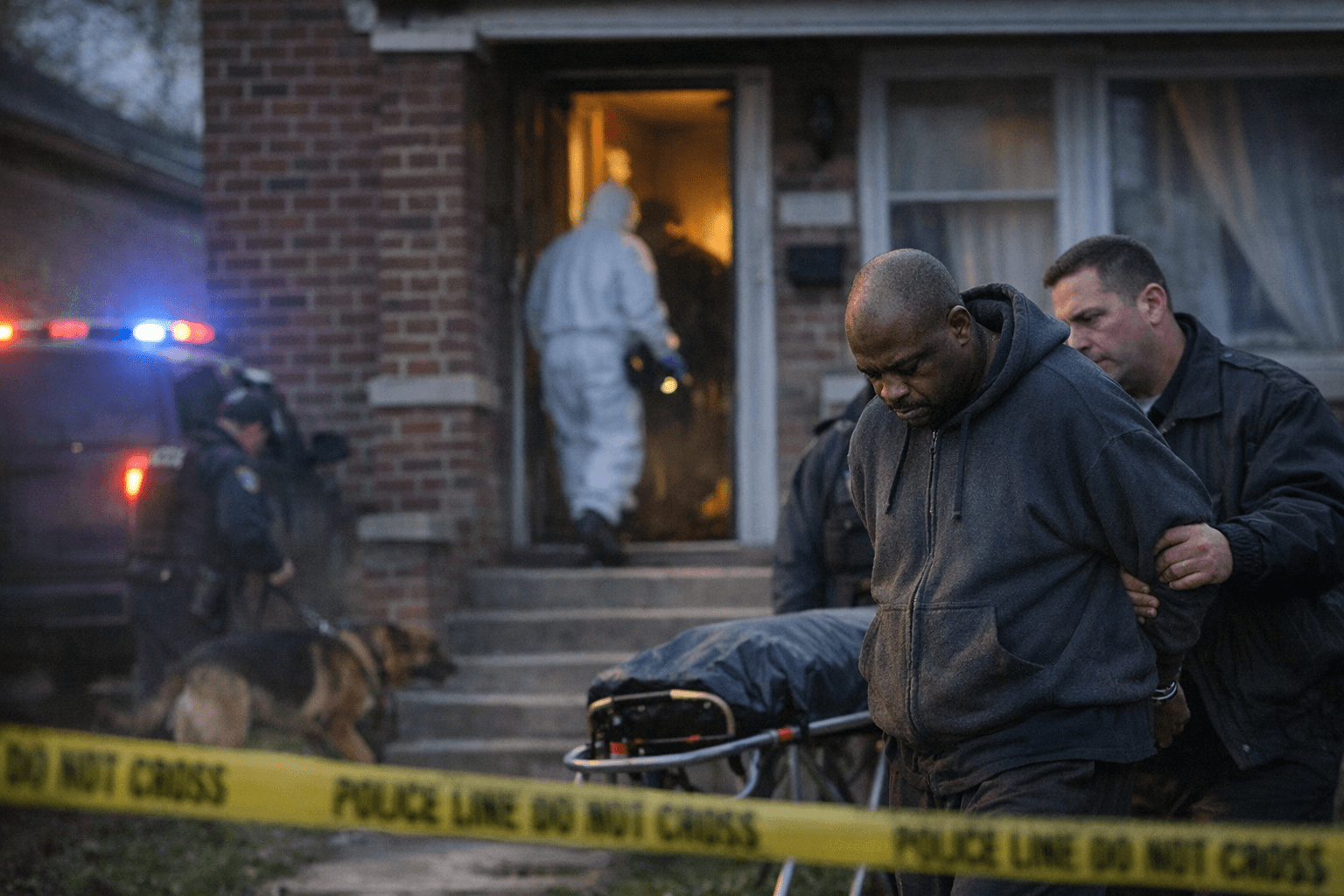
Cadaver dogs led Chicago police to the body of 88-year-old Daniest Graves inside a Roseland home where she had been hidden, wrapped in a rug, for nearly two weeks. Her son, 66-year-old Kevan Works, was arrested at the scene on April 9 and now faces charges of first-degree murder and concealing a death, filed by the Cook County State's Attorney's Office.
The trail to that discovery began with family members who grew alarmed when Graves stopped being reachable. She was last seen on March 27; relatives reported her missing and eventually requested a welfare check. Officers responding to that check brought in cadaver dogs, which alerted to the body inside the home Works shared with his mother. Disturbing details emerged quickly in pretrial hearings, with prosecutors describing both the condition of the body and the circumstances of its concealment as central to their case. Works appeared in court in the days following his arrest and was remanded to custody, with judges reviewing probable cause and bond before scheduling further appearances.
The two charges carry distinct legal weight and together outline what prosecutors believe unfolded inside that Roseland residence. First-degree murder in Illinois requires the state to prove that Works intentionally killed Graves, or knew his actions created a strong probability of death. The concealing-a-death charge speaks directly to the rug, the body's placement in the home, and the 13-day window between March 27 and the welfare check that finally brought officers through the door. Forensic pathology will be critical to establishing cause and manner of death, while family witness testimony will be used to reconstruct the timeline and close any gaps in the narrative.
Cases involving elderly victims and family-member suspects almost always prompt a harder look at whether warning signs existed before the death. Graves was 88 and living with her adult son; investigators and civil welfare reviewers will likely examine whether any prior indicators of neglect, financial pressure, or isolation were ever documented. The red flags in situations like hers tend to follow a recognizable pattern: withdrawal from outside contact, missed medical appointments, unexplained changes in finances, and family members who intercept or deflect wellness inquiries. Anyone in Illinois who suspects an elderly person is being abused, neglected, or exploited can report it to the state's Adult Protective Services hotline at 1-866-800-1409. Calls can be made by anyone, not just family.
Works remains in custody as the case heads toward pretrial motions addressing evidence suppression and discovery scheduling. That a woman of 88 could go unseen for 13 days before anyone outside the home realized something was wrong is the detail prosecutors will return to repeatedly, and the one that will stay with this case long after a verdict comes down.
This article was produced by Prism’s automated news system from verified source data, official records, and press releases, then run through automated quality and moderation checks before publishing. The system is built and supervised by the people who set the standards it runs under. Read our full AI policy.
Did this article answer your question?