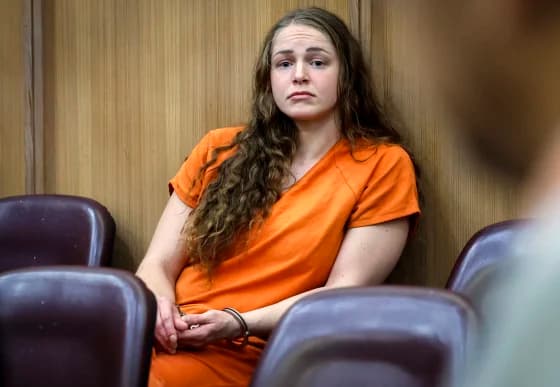
Judge opens Faith Hedgepeth murder trial to cameras, evidence fights continue
Judge Keith Gregory let cameras record testimony from Faith Hedgepeth’s former roommate, while keeping pretrial filings public and evidence fights alive before the September murder trial.
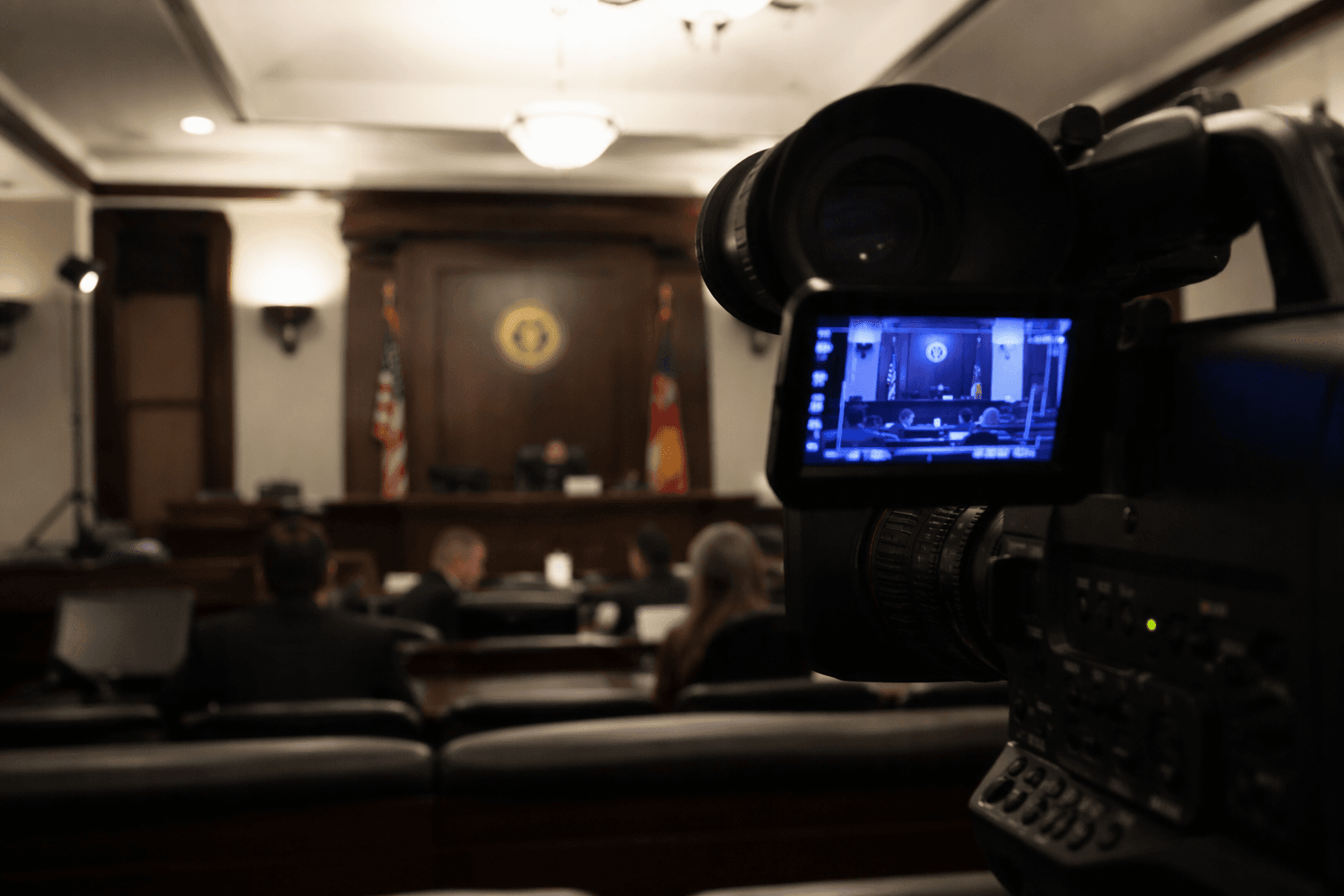
Judge Keith Gregory ruled on August 4 that cameras may record testimony from Faith Hedgepeth’s former roommate, Karena Rosario, as Durham County court hearings kept zeroing in on what jurors will be allowed to see in the murder trial. The camera decision followed Gregory’s June 2026 refusal to let prosecutors seal pretrial motions, keeping those filings public as the case moved toward a September trial date.
The rulings have put the courtroom’s evidentiary boundaries at the center of the case. Defense lawyers have sought access to original forensic images, laboratory data, digital forensic analysis and cell extractions, arguing they need the underlying records to challenge the state’s presentation. Prosecutors have resisted some of those requests, and the two sides have also argued over whether cameras should remain limited in the courtroom.
That fight matters because the trial has been built around evidence collected in a case that dates to the 2012 killing of Hedgepeth, a junior at the University of North Carolina at Chapel Hill who was found dead in her Chapel Hill apartment on Friday, Sept. 7, 2012, at age 19. Local reporting says it took about 10 years to make an arrest. Coverage ahead of the 2026 trial identifies the defendant as Miguel Enrique Salguero Olivares.

The pretrial rulings now shape not just what the public will see, but what the jury may be shown when testimony begins. If the defense wins broader access to the original forensic material, it could press harder on how investigators handled the scene and whether conclusions drawn from the digital and laboratory work hold up under scrutiny. If the state keeps tighter control over that material, its case remains organized around the records it has chosen to present.
Hedgepeth’s death has remained one of North Carolina’s most closely watched homicide investigations for more than a decade, and the current hearing has underscored how much can turn on pretrial rulings long before opening statements. With Rosario’s testimony now set to be recorded and the evidence battles still unresolved, the next phase will determine how much of the case reaches jurors in open court.
This article was produced by Prism’s automated news system from verified source data, official records, and press releases, then run through automated quality and moderation checks before publishing. The system is built and supervised by the people who set the standards it runs under. Read our full AI policy.
Did this article answer your question?