Levi Bellfield to face CCRC questions over Russell murders confession
The CCRC was due to quiz Levi Bellfield and take his DNA as it weighs whether Michael Stone was wrongly convicted of the 1996 Russell murders. Bellfield has allegedly confessed, then retracted, in documents tied to the Chillenden killings.
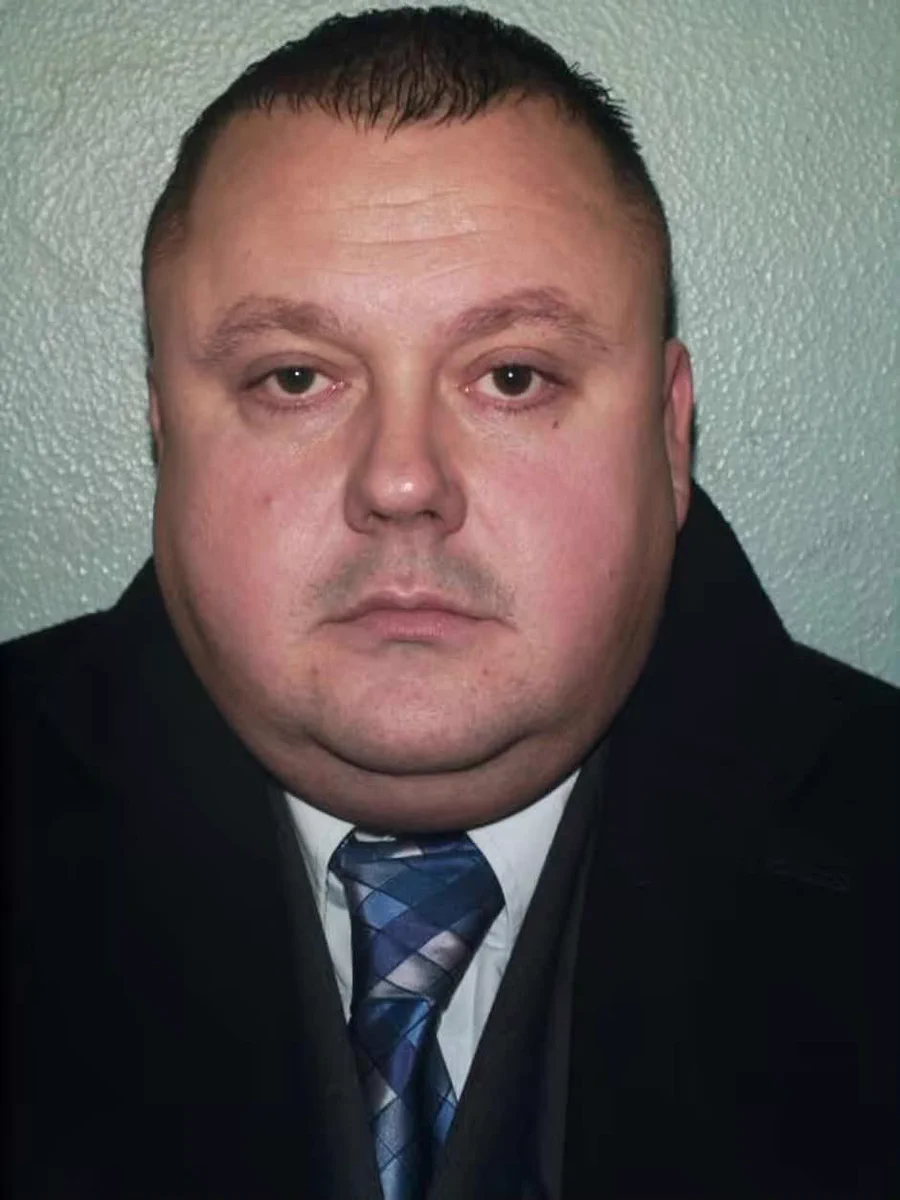
The Criminal Cases Review Commission was expected to question Levi Bellfield and take a DNA sample from him as it examined whether Michael Stone was wrongly convicted of the Russell murders. Bellfield, who is serving whole-life orders, had allegedly confessed in documents to killing Lin Russell and her daughter Megan in Kent, then later retracted that confession and signed a further statement.
The case returns to a crime scene that has never lost its pull on true crime readers or forensic lawyers. Lin Russell was 45 and Megan was 6 when they were attacked on 9 July 1996 in Chillenden, Kent. Josie Russell survived the assault after being left for dead, but she was severely injured in the attack that killed her mother and sister.

Michael Stone was convicted of the murders and has maintained his innocence for nearly 30 years. The CCRC’s review focuses on whether Bellfield’s alleged confession, and now his DNA, can shift the evidence far enough to put the original conviction back in doubt. Stone’s lawyers have said the confession contained details that only the murderer would know, a claim that raised the stakes of the commission’s inquiry.
The CCRC had already reviewed Stone’s conviction in 2023 after Bellfield’s confession surfaced, and Stone’s later appeals were denied before a fresh bid to clear his name was reported. That sequence has made the Russell case a live test of how far the commission will go when a confession, a retraction and new forensic work collide in one of Britain’s most notorious murder cases.
The murders have remained fixed in the public memory in part because of the way the Russell family’s life changed before the killings. A BBC account said Lin and Shaun Russell had moved from the Nantlle Valley on the edge of Snowdonia National Park to Kent in late autumn 1995 with their two young daughters. The case has since been revisited in programmes by both BBC and ITV, keeping the question of Stone’s conviction alive long after the original trial.
For the CCRC, the issue now is not Bellfield’s notoriety, but whether his documents, his retreat from them and the DNA sample can create enough evidential pressure to reopen one of the most argued-over convictions in modern British crime.
This article was produced by Prism’s automated news system from verified source data, official records, and press releases, then run through automated quality and moderation checks before publishing. The system is built and supervised by the people who set the standards it runs under. Read our full AI policy.
Did this article answer your question?