Lindsay Clancy trial centers on evidence deal, fingerprint dispute
Lindsay Clancy told the judge she knowingly agreed to stipulations as experts said no usable fingerprints were found on the knife or exercise bands.
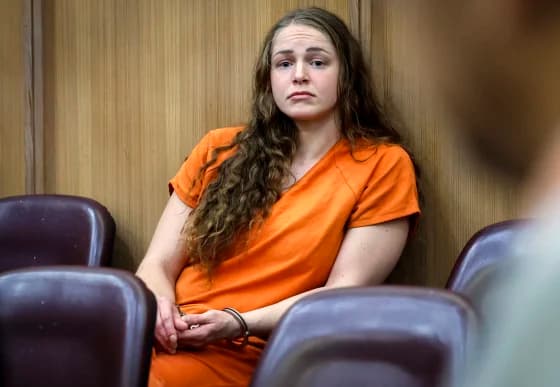
Lindsay Clancy told the judge on Aug. 4 that she knowingly agreed to stipulations that could shorten her murder trial, a rare direct courtroom moment from the 35-year-old mother accused of killing her three children. The move came as the case remained centered on psychiatric testimony, hospital treatment and claims of postpartum psychosis, alongside a forensic dispute over what the jury would hear about the physical evidence.
The trial opened July 27, when opening statements began after jury selection. Two days later, Patrick Clancy’s emotional 911 call was played in court and he testified for a second day; the call brought tears to the courtroom and pushed the family tragedy back into view as jurors heard the first wave of testimony.
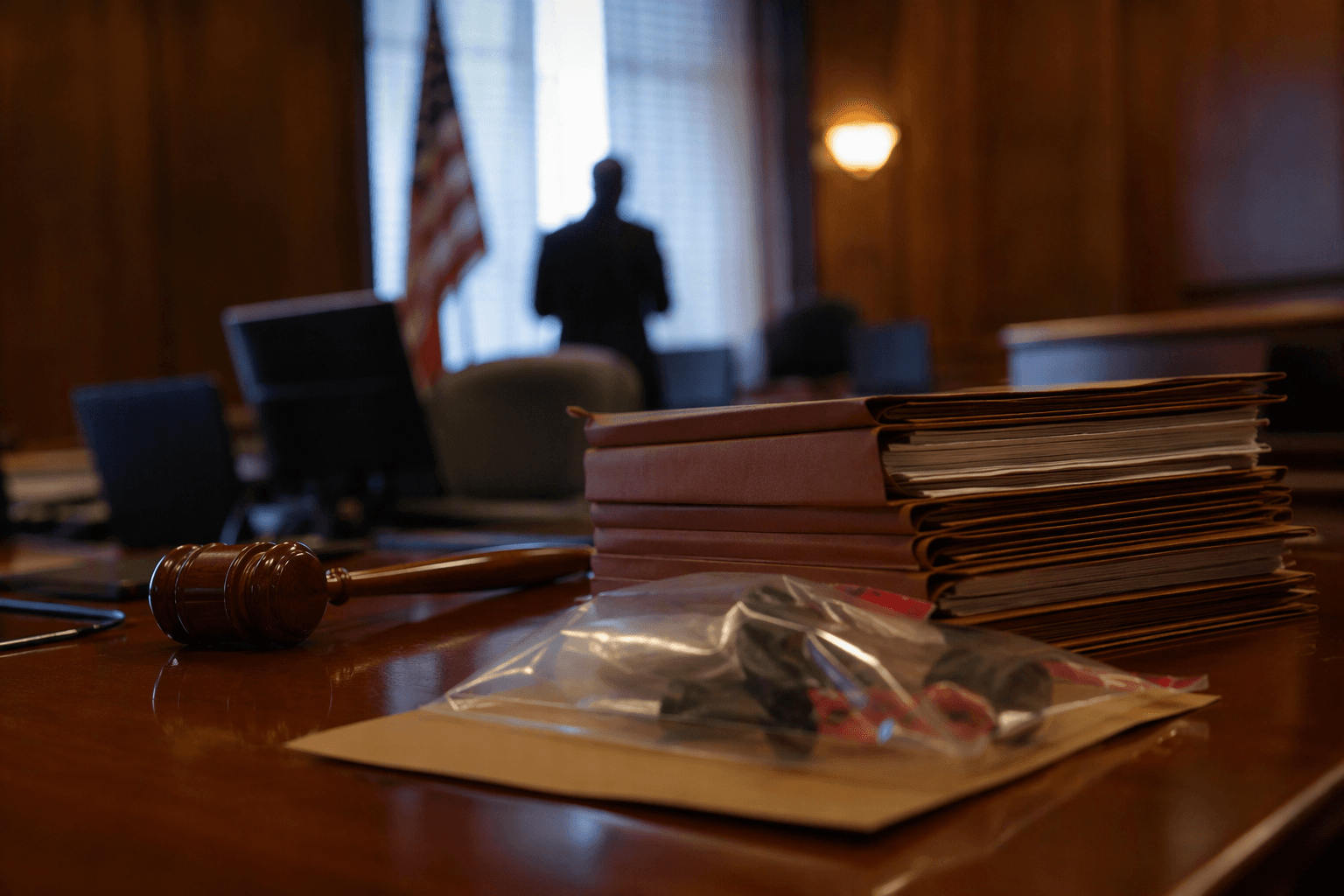
Forensic testimony from Massachusetts State Police said investigators found no usable fingerprints on the knife prosecutors say was used in the killings or on the exercise bands tied to the case. Testimony also addressed DNA, toxicology, bloodstain evidence and laboratory procedures. The stipulation Clancy acknowledged meant prosecutors did not have to call additional witnesses to establish some of those forensic points, leaving the defense and the state to fight over the weight of what was found and what was not.
Clancy is charged in the deaths of Cora, Dawson and Callan, who were 5, 3 and 8 months old, and trial coverage has described her as appearing in a wheelchair after surviving severe injuries when she jumped from a second-story window. The defense has pressed psychiatric evidence and questions about her treatment before the deaths, while prosecutors have continued to build their case around the physical and medical record. That combination has kept the trial focused on state of mind and forensic gaps rather than on a single uncontested version of events.
With no usable fingerprints on the key items and an evidence agreement already narrowing the path through trial, the case has become a contest over what the jury sees, what it hears and what it is left to infer.
This article was produced by Prism’s automated news system from verified source data, official records, and press releases, then run through automated quality and moderation checks before publishing. The system is built and supervised by the people who set the standards it runs under. Read our full AI policy.
Did this article answer your question?