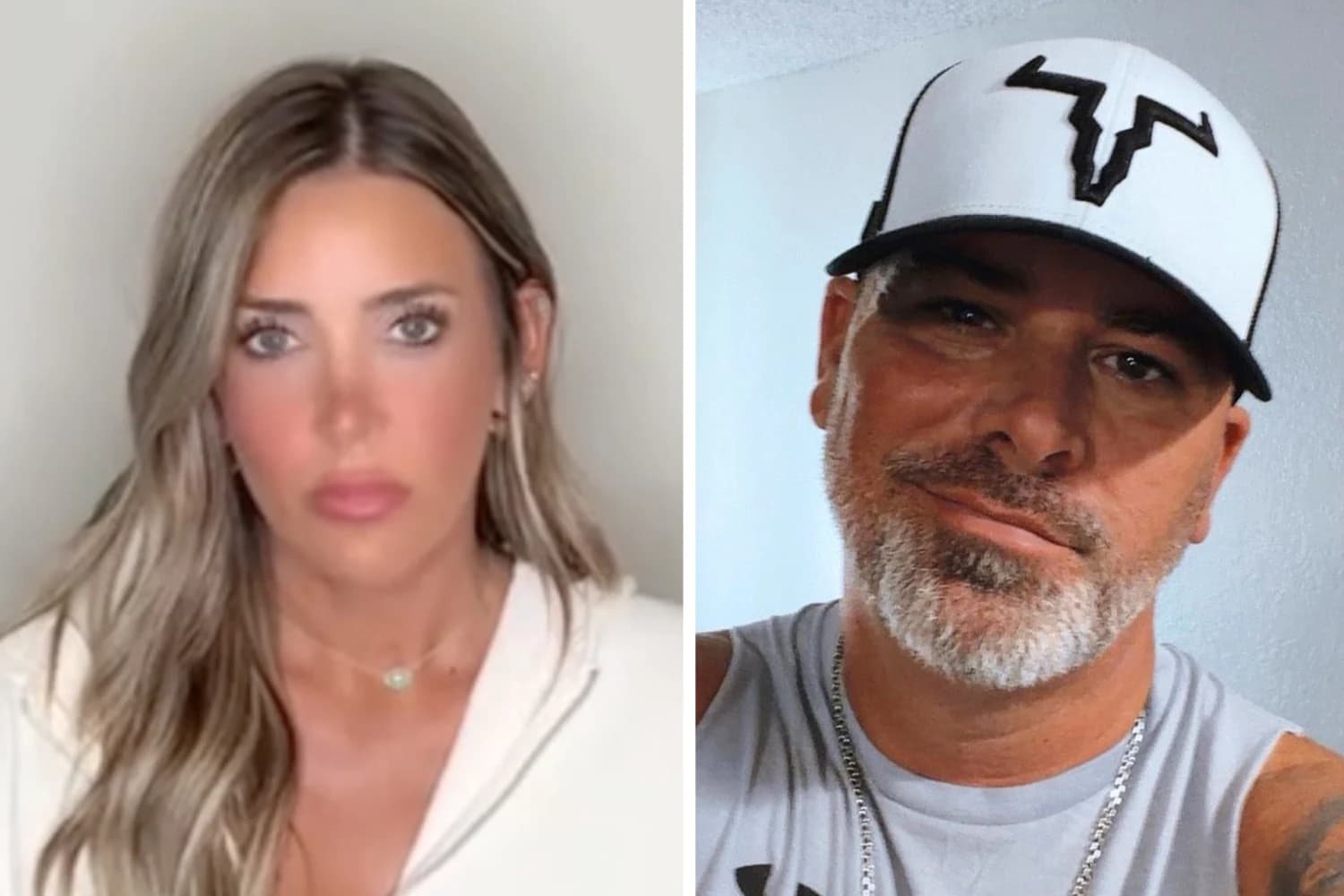
Philadelphia judge vacates 1997 murder convictions after 28 years
After 28 years, a Philadelphia judge erased convictions in Essie Mae Thomas’s 1997 killing, and the case now hangs open again.
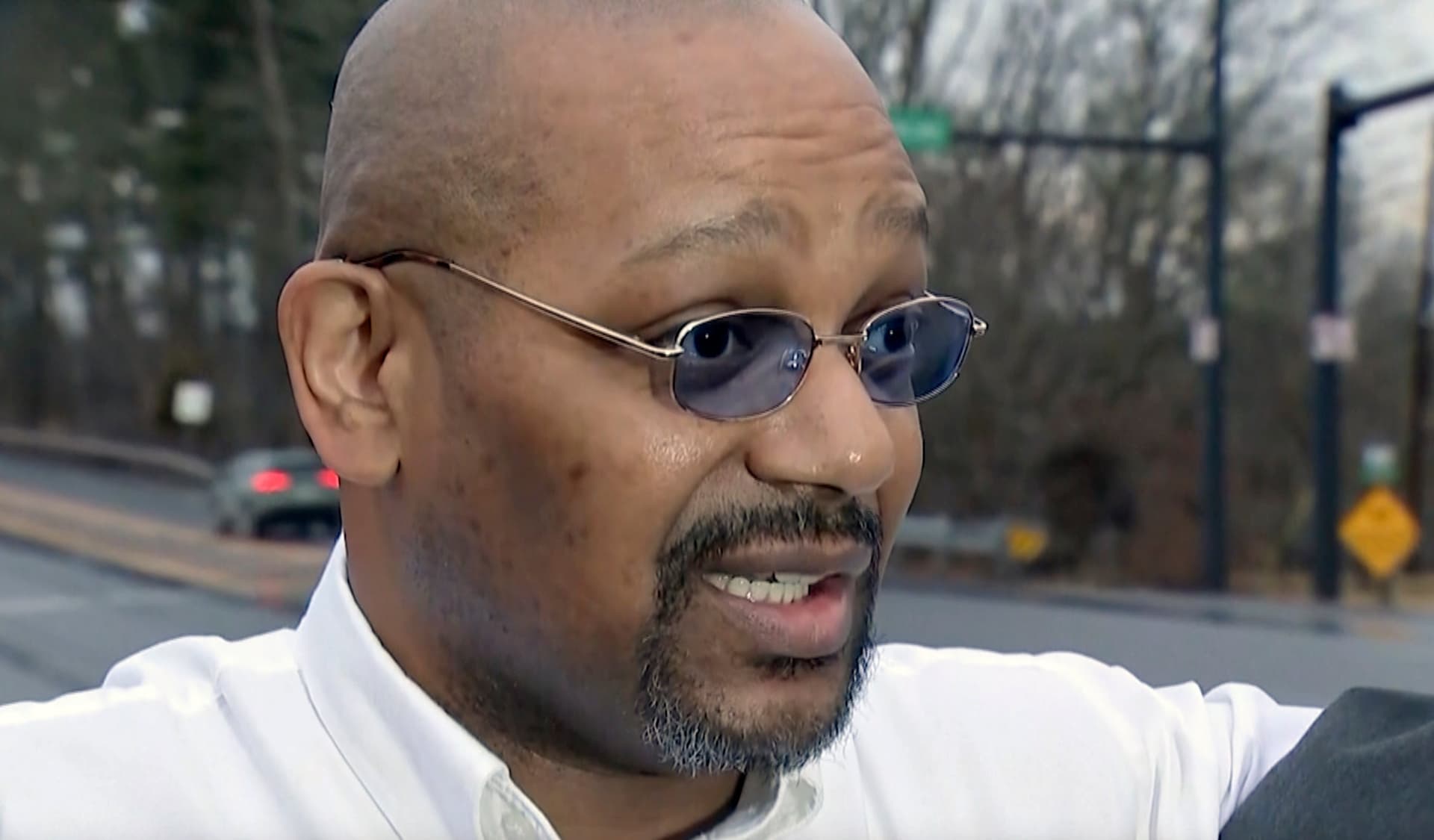
Essie Mae Thomas’s murder looked solved for nearly three decades. Then a Philadelphia judge wiped away the 1997 convictions tied to her stabbing death, leaving the killing of the 73-year-old widow back in the category true-crime readers know too well: unanswered.
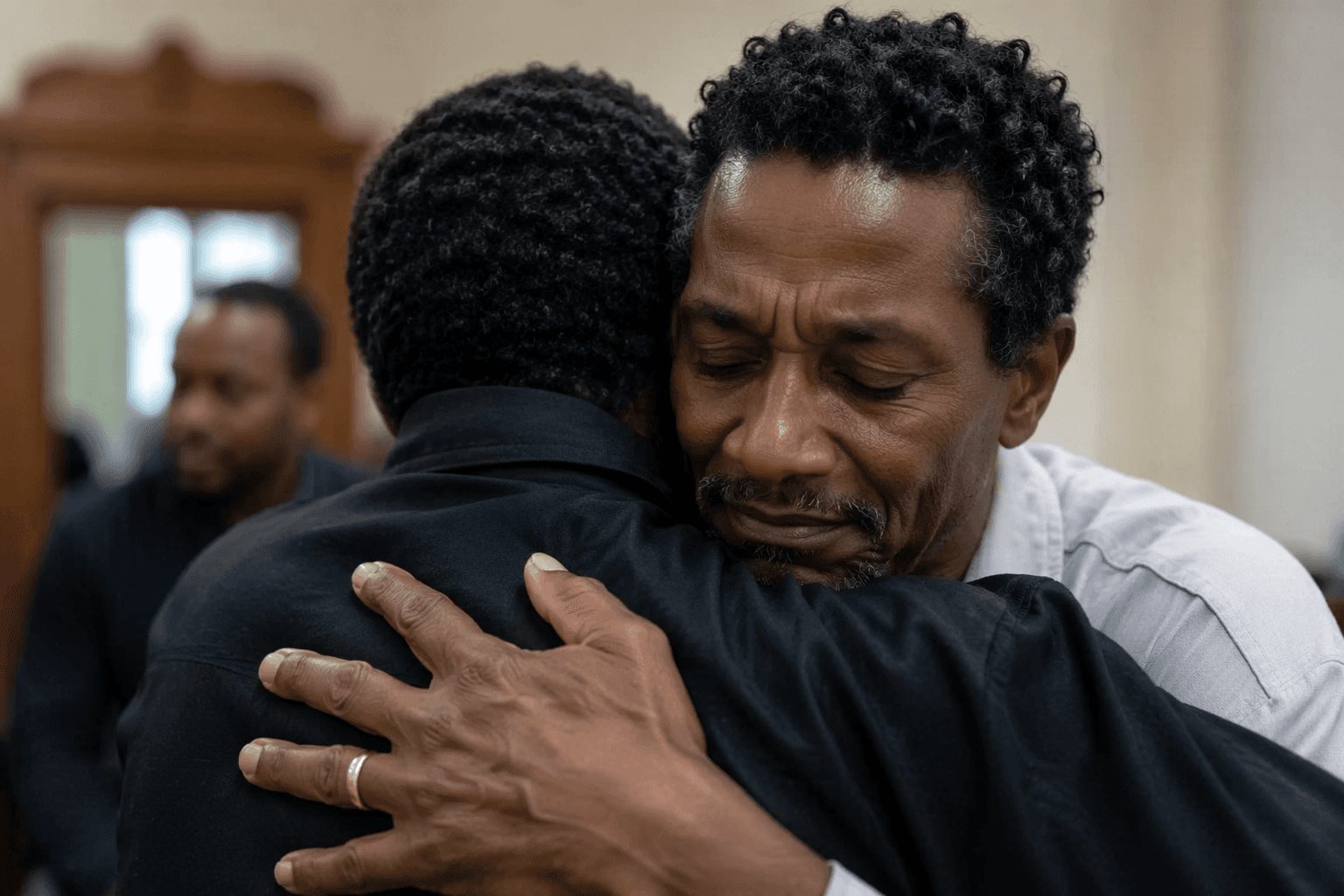
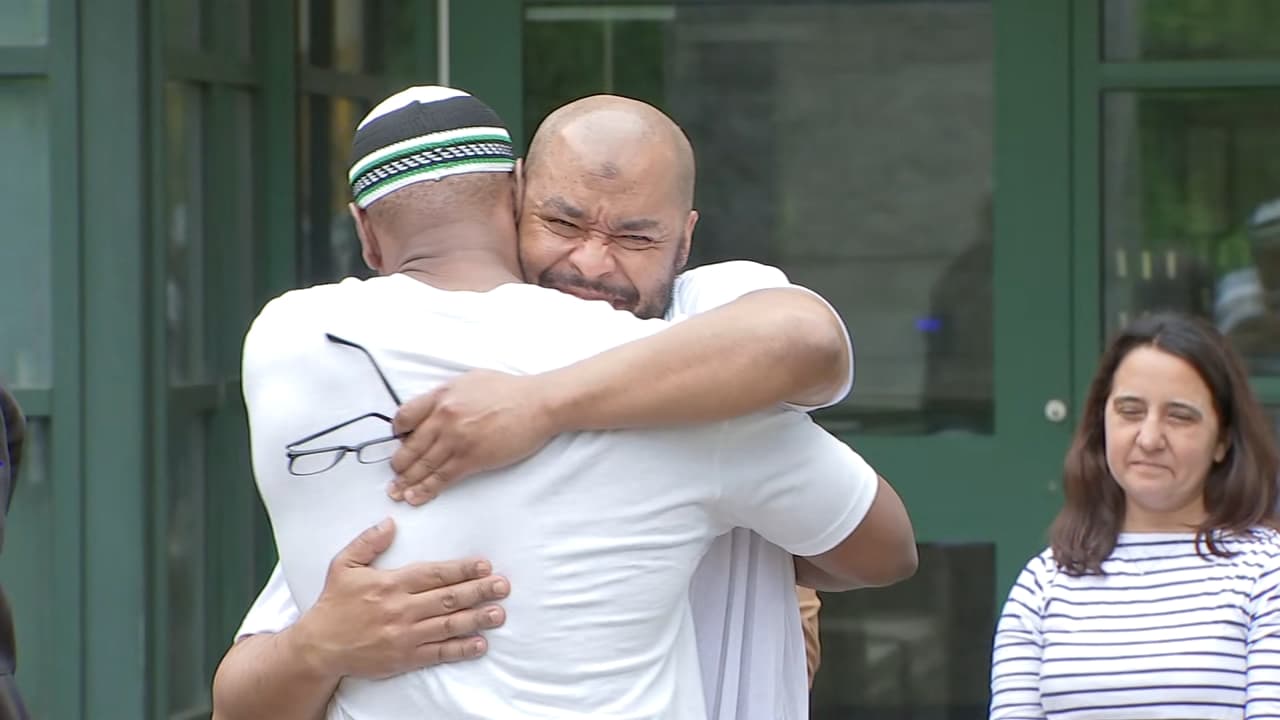
Rasheed Turner, Jermal Shuler and Marc Brittingham were exonerated on Tuesday after prosecutors and defense lawyers agreed the case had fallen apart. Turner and Shuler walked out of SCI Phoenix the same day, while Brittingham remained at SCI Chester overnight because of processing delays. Turner was reunited with his mother outside the prison, and Shuler spoke about spending almost his entire adult life behind bars after being sentenced to life.
Thomas was found by her nephew on Monday, Nov. 10, 1997, in her home on North Judson Street in North Philadelphia, after she had last been seen alive the previous Friday afternoon. Police had treated the case as an attempted burglary gone deadly, and the men were later convicted in November 1998 of second-degree murder and given mandatory life sentences. But the Philadelphia District Attorney’s Office said the case had no witness who saw or heard the attack and no forensic or physical evidence tying any of the three men to the crime.
What held the case together at trial was a single eyewitness and the assistant medical examiner’s testimony about when Thomas died. That theory did not survive re-examination. Independent forensic pathologists later concluded Thomas likely died nearly 24 hours later than the original trial theory claimed, and Judge Jennifer Schultz cited the medical examiner’s disciplinary history as one reason for vacating the convictions. Larry Krasner’s office said the time-of-death testimony was “way off,” and prosecutors said the doctor had a record of discipline in other Philadelphia cases.
The Innocence Project and Exoneration Project said the convictions rested on unreliable forensic testimony and a credibility-challenged eyewitness, while the men maintained their innocence throughout the fight for relief. The district attorney’s office said this was the first time three people were exonerated on the same day in Philadelphia. All three men were in their 40s when they were freed, a blunt measure of how much of their lives vanished inside prison walls.
Krasner’s office did not frame the ruling as a solved homicide. It framed it as a conviction that could not stand. That leaves Essie Mae Thomas’s case where it should never have returned after 28 years: open again, with the victim still waiting for the truth.
This article was produced by Prism’s automated news system from verified source data, official records, and press releases, then run through automated quality and moderation checks before publishing. The system is built and supervised by the people who set the standards it runs under. Read our full AI policy.
Did this article answer your question?