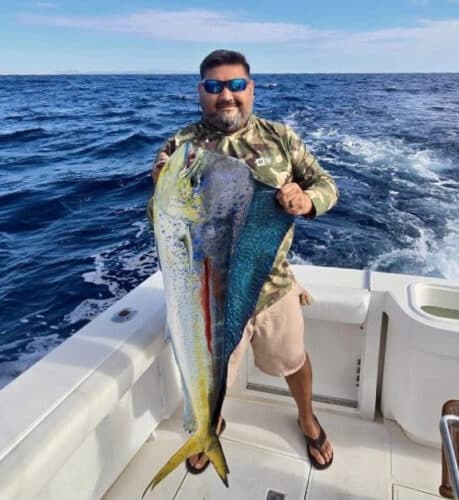
790-pound bluefin tuna headlines Northwest Florida offshore report
A 790-pound bluefin tuna landed just as the Gulf trophy fishery closed, signaling rare trophy-scale opportunity even with heavy sargassum offshore.
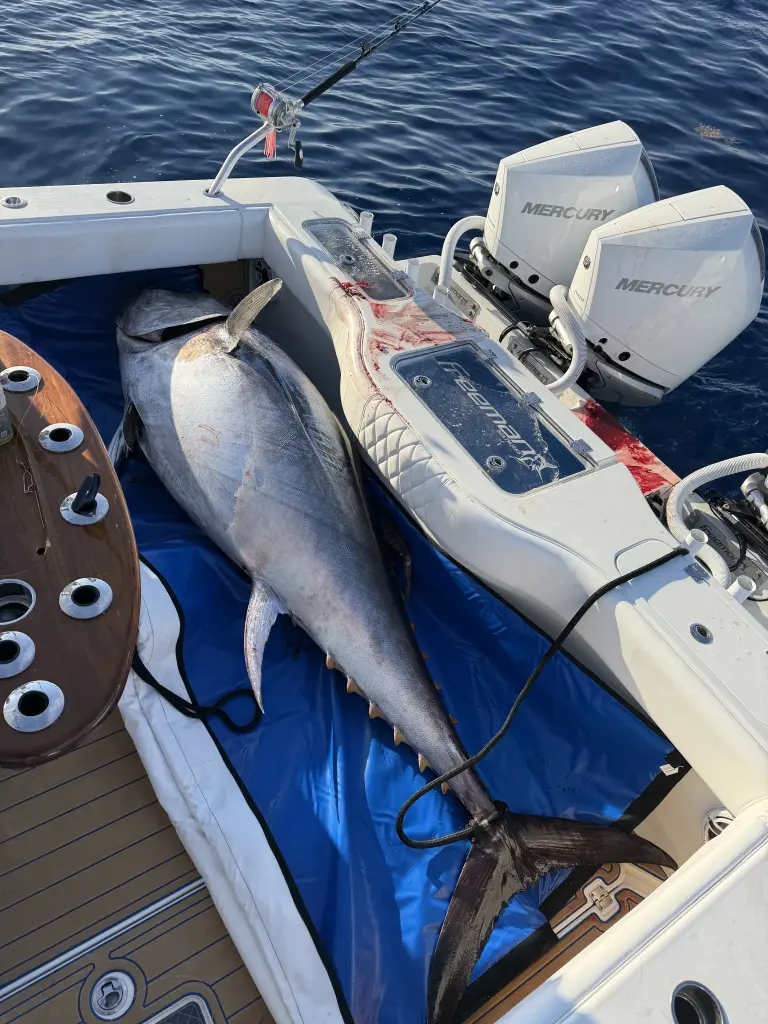
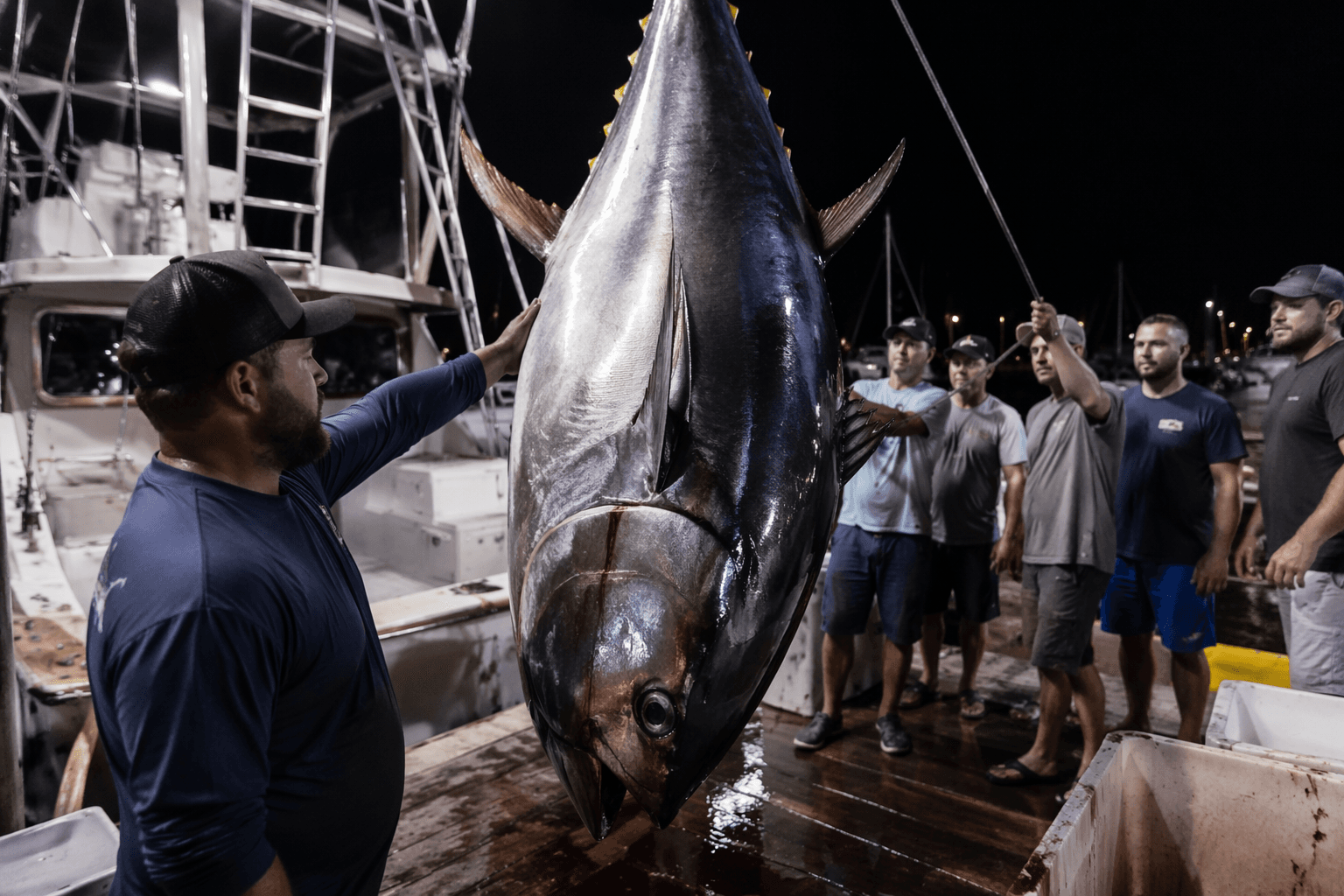
A 790-pound bluefin tuna put Northwest Florida squarely in the trophy conversation just after the Gulf of America bluefin trophy fishery shut down, a catch that told Gulf anglers the late-spring window still had real teeth. In a May 22 Northwest Florida Fishing Report, Joe Baya was joined by Butch Thierry and Angelo DePaola for a Gulf Coast rundown that centered on the giant tuna while also tracking improving swordfish and dolphin action offshore.
The timing made the catch even more striking. NOAA Fisheries said the Gulf of America angling category trophy bluefin fishery closed May 21, 2026, at 11:30 p.m. after the subquota was reached and exceeded. That means the 790-pound fish landed as the season was slipping into closure, reinforcing how quickly the tuna picture can change in Florida Gulf waters when a true heavyweight shows up.
Conditions offshore were not simple. Heavy sargassum was still crowding blue-water lanes, and that weed line can turn a clean trolling spread into a slow, messy grind. Even so, the report pointed to improving swordfish and dolphin action, the kind of mixed pelagic signal captains watch closely when deciding whether to run, wait, or push farther offshore. The same episode also marked the start of Gulf billfish tournament season, which usually brings more boats, more eyes, and more pressure on the same productive edges.
For tuna-minded anglers, the bluefin matters because it is not an isolated novelty. WKRG News 5 reported in 2024 on a 721-pound, 107-inch bluefin caught about 100 miles off Pensacola, and the new fish topped that scale of rare Northwest Florida opportunity. It also came with a reminder that bluefin rules are tightly controlled: NOAA Fisheries says retention limits vary by permit, vessel type, fish size, and region, and bluefin under 73 inches curved fork length are subject to vessel and day-trip limits.
Florida Fish and Wildlife Conservation Commission guidance adds another layer for anyone fishing state waters. Bluefin tuna and other highly migratory species require a federal HMS Angling Permit in Florida state waters, which extend 9 nautical miles into the Gulf. That kind of management, from tuna to red drum, shapes what anglers can legally target and keep.
The bluefin was the headline, but the larger read was just as clear: the Gulf was still producing serious offshore opportunities, even with sargassum in the mix and the trophy window already closed.
This article was produced by Prism’s automated news system from verified source data, official records, and press releases, then run through automated quality and moderation checks before publishing. The system is built and supervised by the people who set the standards it runs under. Read our full AI policy.
Did this article answer your question?