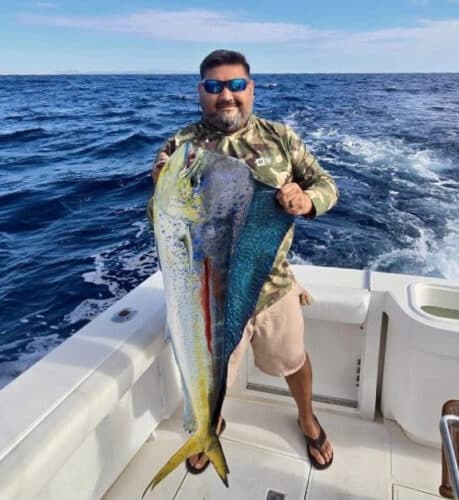
Ahi tuna keep showing up off Kailua-Kona in late May
Ahi were still in the mix off Kailua-Kona on May 29, and the Bite Me 6’s yellowfin report looked more like part of a run than a one-off.

Ahi were still in the rotation off Kailua-Kona at the end of May, and the Bite Me 6’s May 29 report gave a clear read on the bite: the crew landed a beautiful yellowfin tuna for the anglers to enjoy. For anyone tracking whether Kona yellowfin were still showing or had already faded into a narrow window, that catch pointed to a fishery that was still producing table-quality tuna at the end of the month.
The report matters because it did not stand alone. Bite Me Sportfishing’s recent run on the Kona Coast included ono on May 26, tuna action on May 24, and another tuna-and-marlin day on May 14. Put together, those updates sketch a late-May offshore pattern built around multiple pelagic targets rather than a single lucky hookup. In other words, Kona was still giving anglers a reason to leave the harbor with tuna on the checklist, not just billfish.
Bite Me Sportfishing says its captains have fished the Kona coastline for most of their lives, and that local experience shows up in the way the charter describes its own water. Bite Me 6 operates as a 41-foot Hatteras out of Honokohau Harbor, just north of Kailua-Kona, and the boat is part of a fleet the company says has been voted Best of West Hawaii for years. That kind of long-running local footprint is part of what gives a brief daily report extra weight in Kona, where readers know a clean tuna note can say as much about the day as a full recap.
The broader fishery backs up that signal. NOAA Fisheries says fishermen based in Hawaii and other U.S. Pacific islands target Pacific yellowfin tuna with hook-and-line, pelagic longline, or troll gear, and spring and fall are peak spawning periods. University of Hawaii Pelagic Fisheries Research Program work has also centered attention on Cross Seamount, about 150 nautical miles southwest of Kona, where a productive offshore handline fishery for yellowfin and bigeye has long been part of the picture.
Tagged-fish research adds another layer to the Kona story. Some Hawaiian yellowfin stayed locally resident, while others dispersed rapidly over more than 800 kilometers after tagging, which helps explain why Kona tuna reports can feel both local and oceanic at the same time. The Bite Me 6 Ahi on May 29 fit that larger pattern cleanly: Kona was still holding yellowfin at month’s end, and the bite looked established enough that late-May anglers could still plan around it.
This article was produced by Prism’s automated news system from verified source data, official records, and press releases, then run through automated quality and moderation checks before publishing. The system is built and supervised by the people who set the standards it runs under. Read our full AI policy.
Did this article answer your question?