Azores tuna bite stays tough despite heavy bird activity
Thousands of birds and tuna lit up Ponta Delgada, but the crew still had to grind for 2 bigeye and 1 small yellowfin.
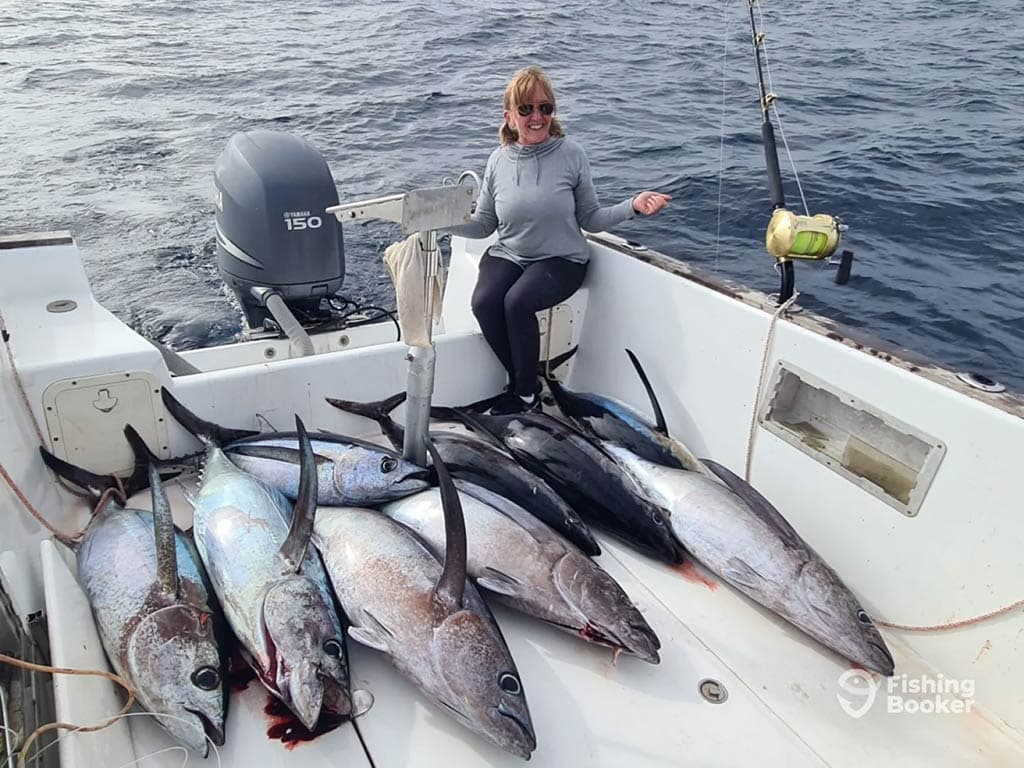
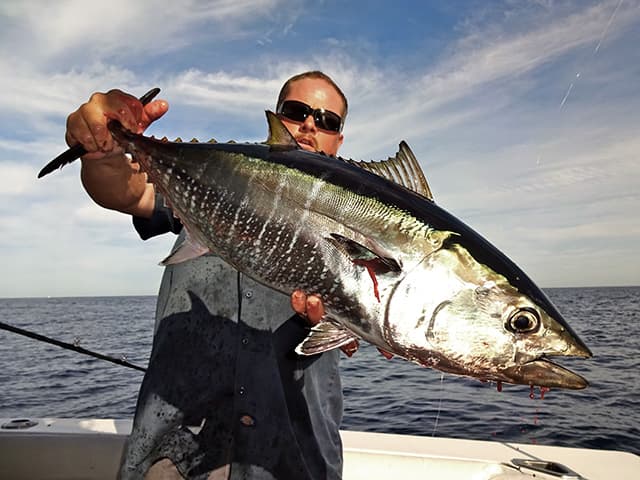
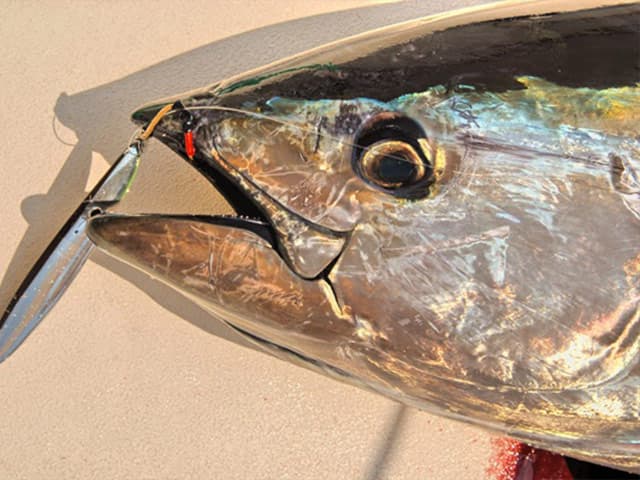
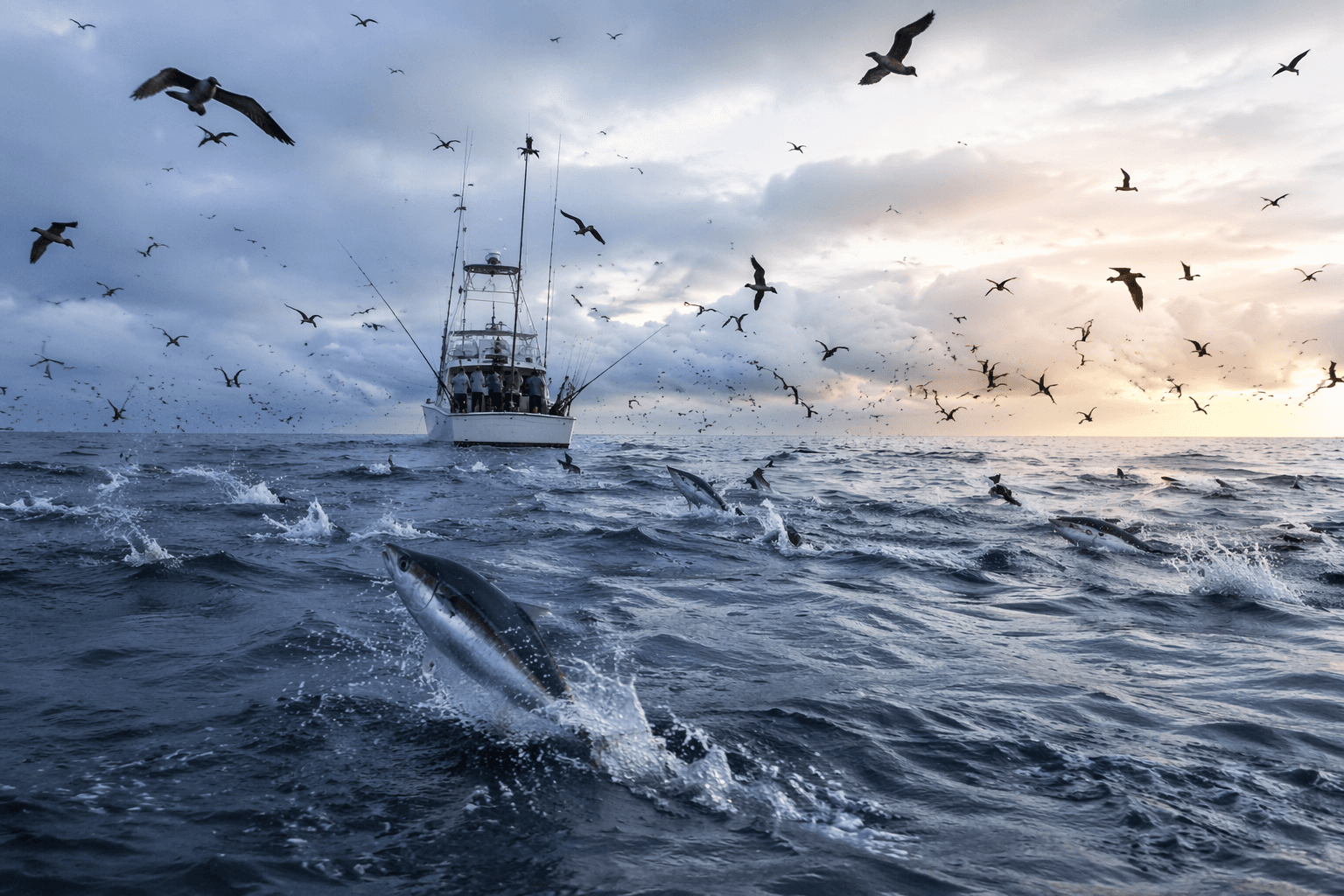
Thousands of birds and tuna boiled around the boat off Ponta Delgada on July 8, but the lures still had to be worked hard for every hookup. The charter finished 2 for 4 on bigeye tuna and 1 for 1 on a small yellowfin, a sharp reminder that in the Azores, visible life does not automatically mean an easy bite.
That split between activity and action is what made the report stand out. The surface looked loaded, yet the fish stayed selective enough to turn a lively spread into a test of presentation, boat positioning and lure choice. For crews running the Azores bluewater, that is the real decision point: birds can flag the right water, but they do not solve the feeding problem. The day ended with a positive tally, but only after the crew worked through a stubborn bite in what was clearly a productive tuna zone.
The timing also fits an active early-July offshore run. FishingBooker’s Azores reports page showed a July 2 post on the first blue marlin of the 2026 season, and the Ponta Delgada tuna note landed in the middle of that same stretch of action. Bigeye and yellowfin were sharing the water, which is exactly why these short reports matter to anglers planning their next run out of São Miguel. They show not just where the fish are, but how hard they are to convert once found.
The Azores carry extra weight because this is not just a sportfishing stop. IPNLF says handline tuna fishing there goes back to the 16th century, while the modern pole-and-line fishery dates to around 1950. The fleet is still largely built around small vessels, pole-and-line methods and observer coverage from POPA, and fisheries account for about 3.8% of the regional economy. A 2025 Frontiers study found fishers and stakeholders worried about low economic value, failure to meet market demand and threats to fleet survival, while also pushing for a management system that would ease the race to fish.
That broader backdrop is why a tough bite matters even on a bird-filled day. ICCAT’s 2025 bigeye stock assessment said Atlantic bigeye ended 2023 above SSBMSY with fishing mortality below FMSY, and projected that the current 73,011-tonne TAC would keep the stock in the green quadrant of the Kobe plot by 2036. Even so, the data-preparatory meeting flagged the Canary Islands baitboat index for sensitivity runs and noted conflicting juvenile abundance trends, while the Atlantic Ocean tropical tuna tagging programme used commercial baitboats to release 5,640 bigeye tags in surveys across the Azores, Madeira and Canary Islands between 2016 and 2018, with 923 more bigeye tags released from 1985 to 2002. In other words, the birds may show the tuna are there, but the Azores still demand a crew that can turn a live ocean into bites.
This article was produced by Prism’s automated news system from verified source data, official records, and press releases, then run through automated quality and moderation checks before publishing. The system is built and supervised by the people who set the standards it runs under. Read our full AI policy.
Did this article answer your question?