Blackfin tuna bite improves off Dania Beach with faster trolling tips
Blackfin tuna are firing in the mornings and again near sunset off Dania Beach, with 8 to 9-knot trolling and cleaner lanes producing the best pulls.
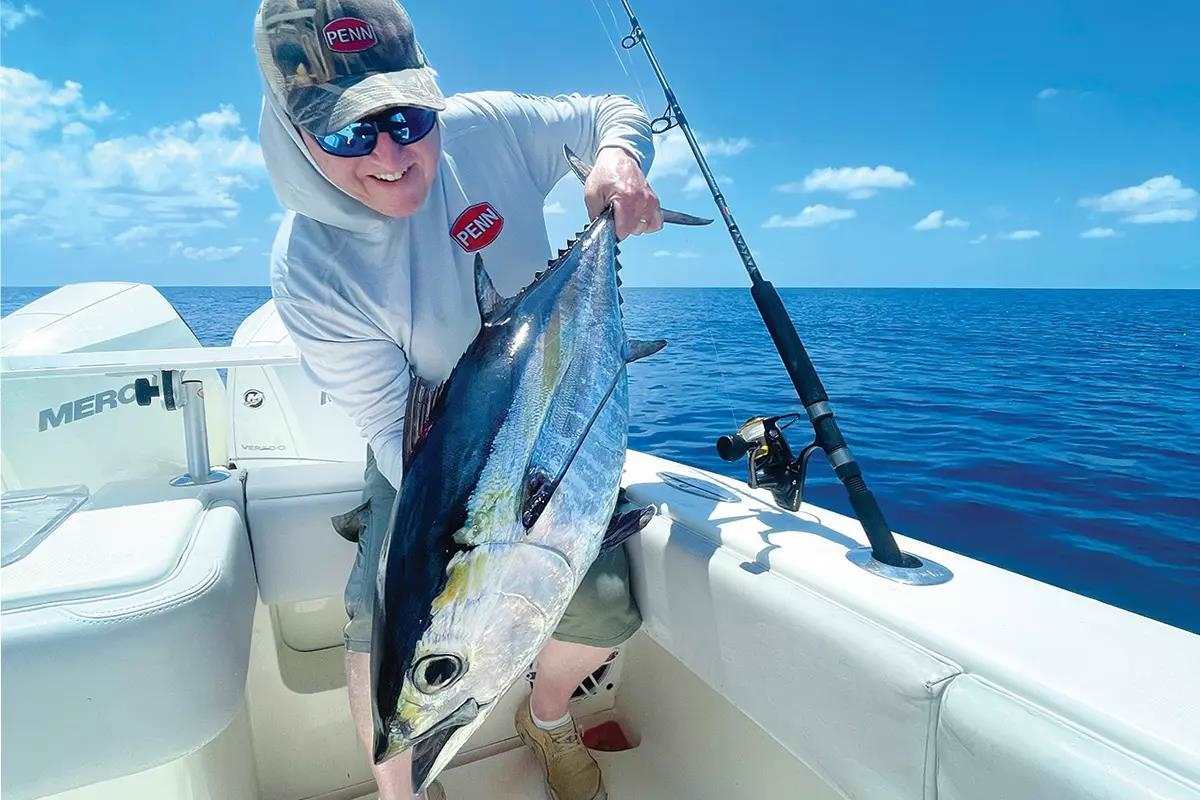
Blackfin tuna are the clear center of the Dania Beach offshore bite right now, and Capt. Vinnie’s latest read gives anglers something practical to run with immediately: troll faster, fish the right windows, and stay on clean water. The blackfins are showing best in the mornings and afternoons, and the bigger fish have been hitting later in the day before sunset, which makes timing as important as location.
What is working offshore
The most actionable change in the program is speed. Capt. Vinnie says the tuna bite improves when trolling is pushed up to around 8 to 9 knots, a pace that gives anglers a concrete adjustment instead of a vague “speed up” answer. That advice matters because it turns the report into a decision tool: if the spread is dragging at a slower pace, the next move is not just to keep covering water, but to get the lures moving in the band where these fish are reacting.
That speed note also fits the way the fish are setting up in the water column and along the current edge. The report points to blackfin tuna feeding in both the morning and afternoon, which gives you a broad enough window to work a full trip, but the late-afternoon push before sunset is where the better-size blackfins have been showing. If you are building a day around tuna, that is the slot worth protecting.
Where the rest of the bite fits
The blackfin action is happening inside a broader summer spread that includes reef, edge, and wreck fish. The reef is producing plenty of bonito, and Capt. Vinnie treats them as more than bycatch, since they are useful both as a hard-fighting target and as bait for trolling and bottom fishing. That detail matters on a mixed South Florida trip because bonito can keep a crew busy while also feeding the next phase of the program.
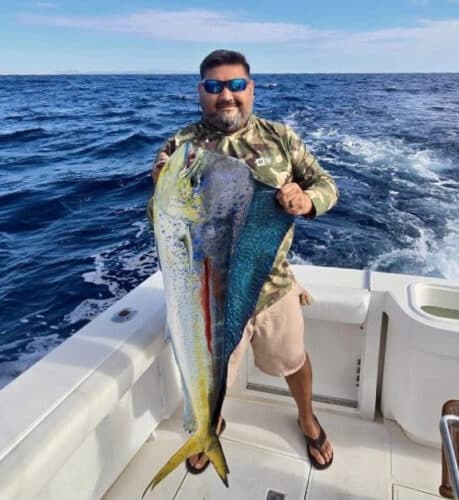
Kingfish are in the mix too, especially when the water turns dirty. The report says they are biting best on deep lines, planers, and fresh bonito strips, which is a useful reminder that the bite changes with visibility and depth. Offshore mahi are also somewhat plentiful, although size has been the issue so far, and the expectation is that better keeper-size fish should show as the season develops.
Why the timing matters now
June is not an accident of the calendar for blackfin tuna off South Florida. Sport Fishing says May through July is prime time for the species in this stretch, and that May is when blackfins flood offshore waters from the Keys up the Atlantic coast to Palm Beach. That lines up cleanly with what is happening off Dania Beach now, where the fishery is sitting in the middle of its strongest seasonal window.
There is also biological backing behind the bite. Florida Fish and Wildlife Conservation Commission material says peak blackfin tuna spawning in southeast Florida occurs from May through June, which helps explain why the action can be so consistent in early summer. FWC also identifies blackfin tuna as native to Florida waters, so the fish showing up off Dania Beach are part of a longstanding local fishery rather than a fleeting visitor pattern.

How to fish the trip legally and efficiently
The rule structure on blackfin tuna is straightforward enough to matter on a charter or private boat. FishingBooker’s Florida tuna guide lists blackfin tuna as open year-round with no minimum size limit, and it sets the daily bag limit for blackfin tuna, Atlantic bonito, and little tunny at two fish or 100 pounds, whichever is greater. That means the species is available, but the limit still requires anglers to pay attention when bonito and blackfin are both in the mix.
Federal water rules can still come into play once the trip pushes farther offshore. FWC and NOAA Fisheries materials note that highly migratory species permit rules can matter in federal waters, so the edge between a simple nearshore troll and a federal-water run is not just a distance issue, it is a compliance issue too. That is especially relevant around Dania Beach, Fort Lauderdale, and Port Everglades, where anglers often decide on the fly whether to stay inshore of the federal line or keep running.
What the recent pattern says about size and consistency
This blackfin run is not a one-day fluke. In a May 18 Dania Beach report, Capt. Vinnie said the boat was getting nice catches of blackfin tuna while trolling just on the drop-off, and the biggest one that week weighed 31 pounds. A June report from Broward County repeated the same 8 to 9-knot advice and added that the bigger blackfins were biting better late in the afternoon before sunset, which reinforces the idea that this is a repeatable summer pattern built around speed and timing.
That consistency is what makes the Dania Beach bite worth running now. The fish are not just present, they are showing a readable behavior pattern: mornings and afternoons for steady shots, late afternoon for the bigger fish, and faster trolling when the spread needs to trigger more bites. Add in bonito on the reef, kingfish on deep lines in dirty water, mahi offshore, and bottom fish on the wrecks and 300-foot numbers, and the whole zone is fishing like a summer corridor that can reward a tight, tuned-up tuna plan.
The bottom line
If you are heading offshore from Dania Beach, the move is to think blackfin first and adjust around them. Clean water, 8 to 9 knots, and a late-day push before sunset are the sharpest clues in the report, and they line up with a prime-season tuna window that stretches through South Florida. When the spread starts moving right and the bites come on, the difference is not luck, it is running the speed the fish want.
This article was produced by Prism’s automated news system from verified source data, official records, and press releases, then run through automated quality and moderation checks before publishing. The system is built and supervised by the people who set the standards it runs under. Read our full AI policy.
Did this article answer your question?