Blackfin Tuna Join Hot Spring Bite off Key Biscayne
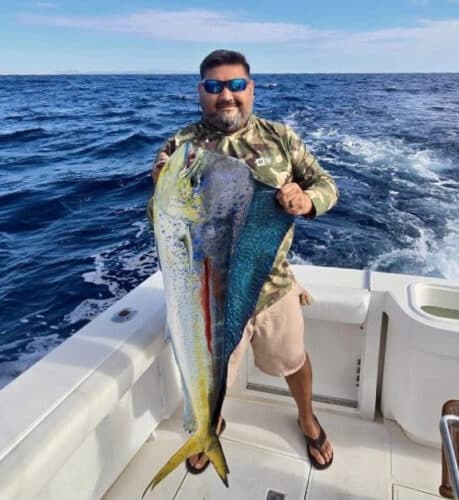
Blackfin tuna were under birds and over 15 pounds closer to the reef, while mahi loaded a weedline 7 to 8 miles offshore.
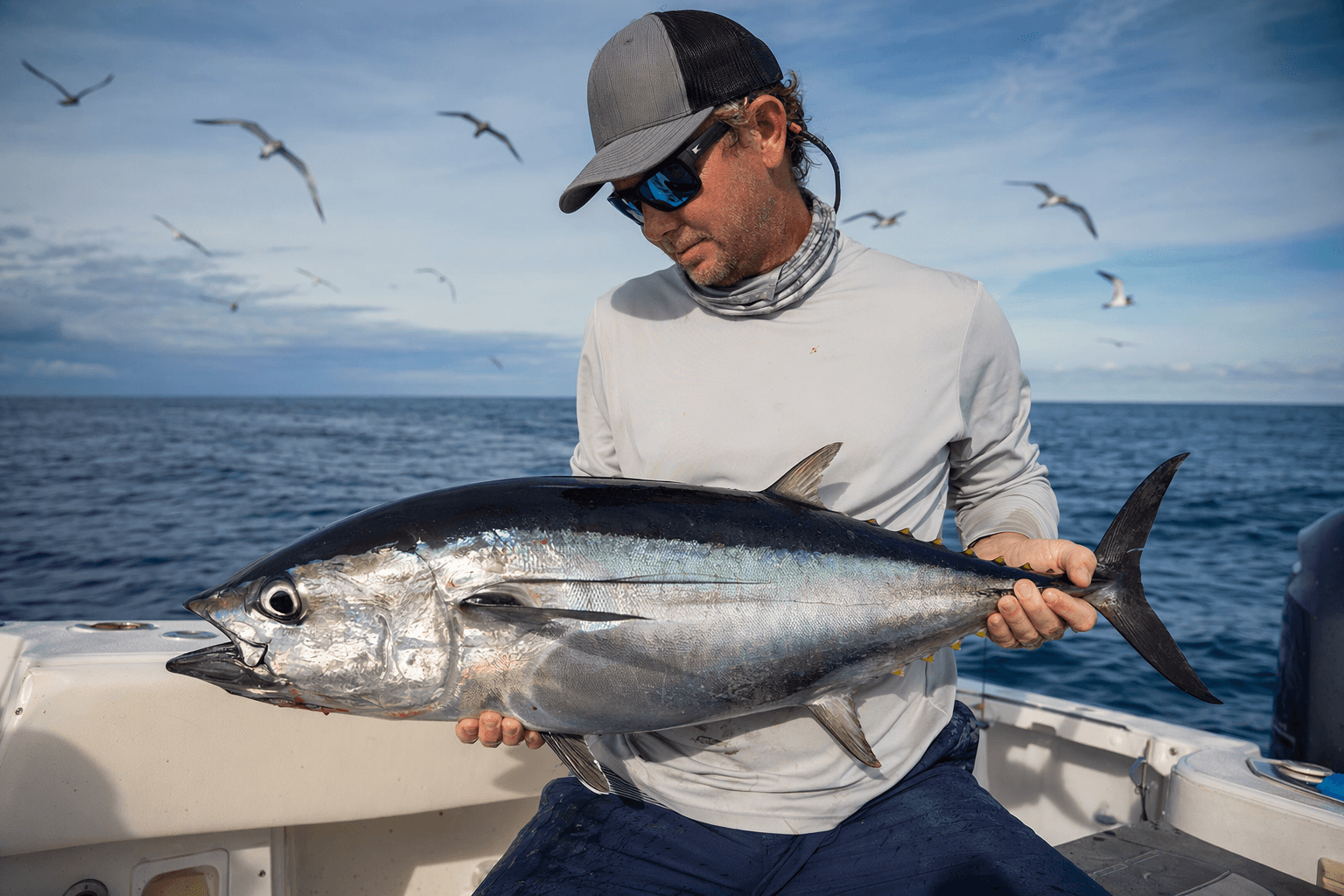
Blackfin tuna gave Key Biscayne anglers a spring blueprint with real options built in: mahi mahi were stacking on a sargasso weedline about 7 to 8 miles offshore, small blackfin were showing under birds, and heavier blackfins over 15 pounds were getting caught closer to the reef in 100 to 300 feet of water.
Spring fishing around Key Biscayne was described as nothing short of incredible, with consistent action producing sailfish, mahi mahi, blackfin tuna and kingfish on the same runs. That mix mattered because it let captains build a tuna-first day and still pivot cleanly when the bite shifted. Trolling and live-bait approaches both worked, and Florida Sportsman’s South Florida forecast for May 7 to 10 said the offshore fishing from Pompano Beach through Miami had been good most of the week, with the same pattern reaching toward Key Largo.
The clearest move was to start with tuna. Small blackfin were under the birds offshore, while larger fish were holding closer to the reef line with sailfish, kingfish, wahoo and bonitos. In practice, that meant anglers could work live baits under a kite or freelined in 100 to 300 feet, then slide wider for mahi on the weedline if the water color and bird activity pointed that way. Around Biscayne Bay, Government Cut and the nearshore edge off Key Biscayne, the spring setup gave private boats and charter crews the kind of flexibility that turns a half-day guess into a full-day plan.
The blackfin part of the story also fit the fish itself. Florida Fish and Wildlife Conservation Commission says blackfin tuna are native to Florida, commonly reach about 28 inches, and live in coastal to offshore waters feeding on small fishes, invertebrates and plankton. NOAA Fisheries places tunas among Atlantic highly migratory species that move long distances across domestic and international boundaries, which is why the bite around South Florida can shift fast when current, clean water and bait line up.
That mobility has made blackfin tuna a meaningful recreational target from southeast Florida through the Keys. An FWC memo dated July 17, 2019 said there was no stock assessment and limited biological information for the species, but also noted concern about the fishery in southeast Florida and the Keys. The same memo said 92 to 95 percent of blackfin harvest came from the recreational fishery in recent years and that seven public workshops drew support from anglers and charter captains for reasonable regulations.
FWC’s current rules also keep the species on anglers’ radar before lines ever go in the water. Federal HMS Angling Permits are required for certain tuna species in state and federal waters, and blackfin tuna fall under those federal highly migratory species rules. Around Key Biscayne, that paperwork sits alongside the bigger spring lesson: when the weedline is right, the birds are working and the reef is alive, blackfin tuna can anchor the whole day.
This article was produced by Prism’s automated news system from verified source data, official records, and press releases, then run through automated quality and moderation checks before publishing. The system is built and supervised by the people who set the standards it runs under. Read our full AI policy.
Did this article answer your question?