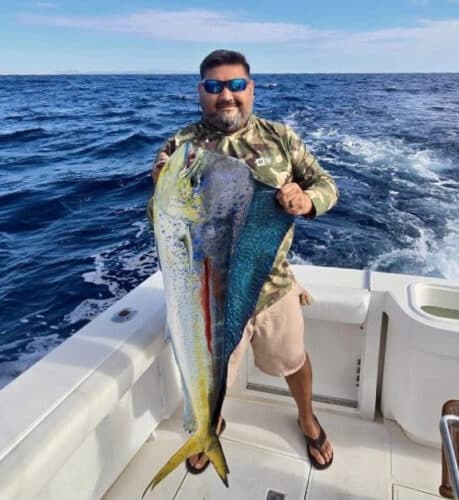
Charleston offshore ledge delivers blackfin tuna, wahoo, dolphin, sailfish mix
Charleston's ledge is stacking blackfin with dolphin, wahoo and sailfish, and one bite can turn into a multi-fish swing. If tuna is the target, the run is about bait, speed and staying on the right edge.
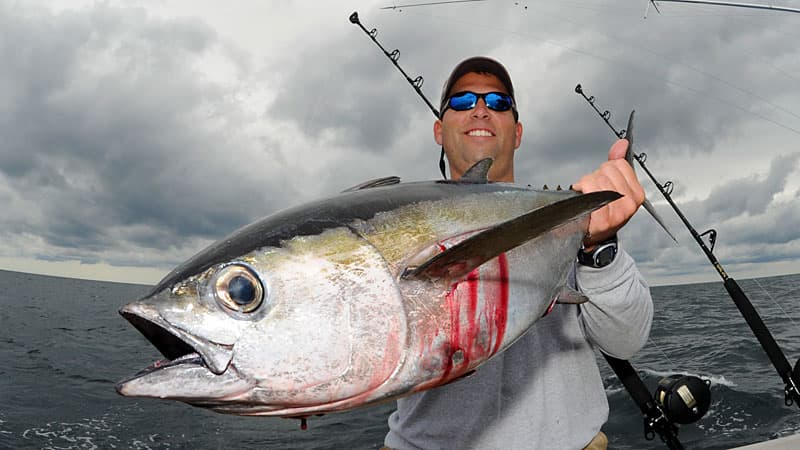
The signal worth chasing
A single bite can tell you almost everything you need to know off Charleston right now. On the Gulf Stream ledge, blackfin tuna are not showing up alone, they are mixing with dolphin, wahoo and even sailfish, which is exactly the kind of layered bite that can turn a tuna trip into a real offshore decision.
That matters because the water is not just producing random fish. Capt. Gasper Marino, running the 57-foot Wadmacallit with mate Cot Smith, is working the ledge between the Georgetown Hole and the 226 Hole, where baitfish schools are holding predators together. For a tuna-focused crew, that is the clearest green light: if the bait is stacked and the current line is clean, the tuna bite can happen alongside a much broader offshore mix.
Where the fish are stacking
The Georgetown Hole remains a natural starting point for Charleston boats, sitting about 65 miles offshore, and the 226 Hole has earned its reputation as one of the furthest south hotspots in the run. That corridor is productive because it puts crews in the zone where temperature, current and bait intersect, and those are the ingredients that keep blackfin tuna in the conversation with dolphin and wahoo.
The important trip-planning takeaway is that this is not a one-species zone. A Charleston guide notes that the 226 Hole can produce mahi-mahi, sailfish, blackfin tuna and wahoo on the same trip, which is why the area rewards crews that are willing to fish for a mixed box while still keeping tuna as the anchor target. If you want to maximize offshore time, this is the kind of stretch where one good edge can justify the whole run.
How the Wadmacallit is fishing it
Marino and Smith are not free-drifting around hoping for luck. They are trolling ballyhoo and teaser rigs at about six to seven knots, watching electronics for bait and keying in on birds, floating debris and any other sign that the bait has packed up tight. The spread is built around staggered lines, with six other short rods spooled on 50-class Shimano Tiagra reels, 50-pound monofilament, 80-pound leaders and 7/0 hooks pinned to ballyhoo dressed with sea witches.
That setup says a lot about the bite. The teasers have no hooks, they just pull attention toward the spread and help draw fish into range, while the hooked ballyhoo do the actual work. When the fish are roaming together in the same pocket of water, that kind of disciplined spread gives you the best shot at turning a look into a hookup, then a hookup into another one.
Why a single strike can turn into a box-filler
This is the piece tuna crews should pay closest attention to. Once one fish hits, multiple hookups are often possible because the species are schooling and feeding in the same area, which means the boat’s job is to stay locked in rather than chase the first blast and lose the zone. Blackfin in particular are the fish that can make the run feel worth it, but when dolphin and wahoo are chewing in the same lane, the tuna bite becomes part of a larger offshore pattern.
For a crew deciding whether to run, that changes the calculation. If tuna is the top priority, the goal is to find the bait concentration and hold the school long enough for the spread to work. If the spread starts firing on wahoo or dolphin first, that is not a failure of the trip, it is often the proof that the right water has been found and the tuna bite may be one pass away.
When to make tuna the priority
Charleston’s offshore rhythm points hard toward May. Capt. Dick Vance of Hot Shot Charters treats May as the best month to go offshore, and he expects to be booked every day of the month, which lines up with the way the Gulf Stream edge has been producing. The season is not about waiting for some far-off summer switch to flip; it is about recognizing that the window is already open when the ledge is stacked with bait and moving fish.
- Put tuna first when the electronics show tight bait on the edge and birds are working the same water.
- Keep the spread flexible when dolphin and wahoo are already in the mix, because that often means blackfin are close by.
- Stay on the run when the first fish comes unbuttoned or a teaser gets followed, because the school may still be lit.
That is the practical difference between a tuna-only mindset and a smart offshore plan. Around Charleston right now, the best crews are not treating blackfin as an isolated target, they are treating them as the most valuable piece of a broader pelagic puzzle.
Why this bite matters beyond one charter
The scale of the offshore fishery explains why these reports get so much attention. NOAA Fisheries says recreational fishing in the Southeast generates more than $15 billion in annual sales and that more than 4.5 million anglers take more than 36 million trips each year. A productive Charleston Gulf Stream bite feeds into that larger economy, from bait and tackle to charter bookings, fuel, docks and ice.
It also means the fishing sits inside a real regulatory framework. NOAA says federal South Atlantic waters begin where state waters end and extend to the 200-mile limit, so anglers running offshore need to follow federal and South Carolina rules, including any species-specific retention limits and seasonal closures that apply. The run may be about speed, bait and current on the water, but the trip still starts with knowing exactly where that line is.
For tuna crews, the message is simple: Charleston’s ledge is not just handing out one fish at a time. It is offering a mixed pelagic window where blackfin, wahoo, dolphin and sailfish can all show up in the same piece of water, and the crews that stay organized over the bait will give themselves the best shot at turning a single strike into the kind of offshore day that keeps a boat in the conversation all month long.
This article was produced by Prism’s automated news system from verified source data, official records, and press releases, then run through automated quality and moderation checks before publishing. The system is built and supervised by the people who set the standards it runs under. Read our full AI policy.
Did this article answer your question?