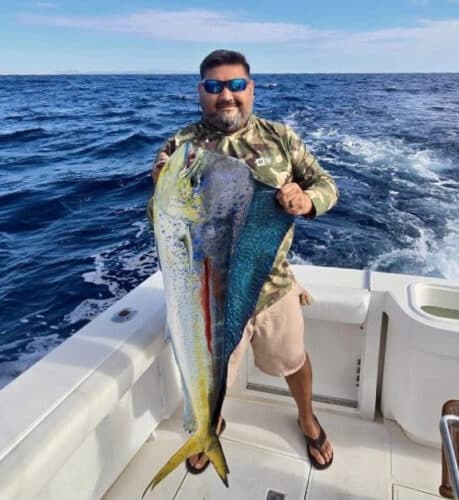
May Turns Cabo Into a Prime Month for Tuna Trips
May gives Cabo anglers a real tuna window: comfortable weather, building bait, and fewer crowds before the summer peak. If you want yellowfin without waiting for the full offshore crush, this is the month.
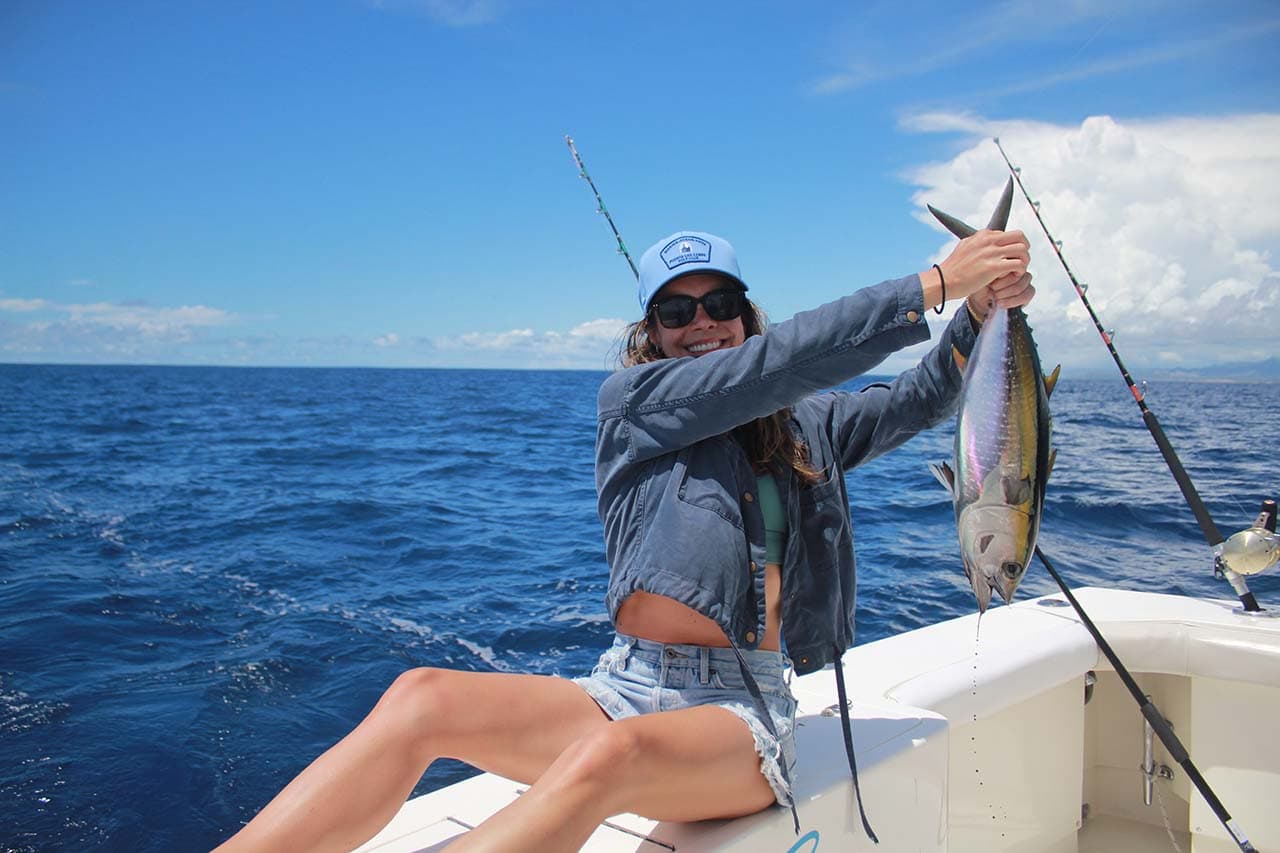
Why May earns a spot on the Cabo calendar
May is the month when Cabo starts to make sense for tuna in a very practical way. The weather is still comfortable, the marina is busy, and the offshore program is clearly waking up, but it has not yet hit the full summer crush. That combination matters because tuna trips are rarely quick grab-and-go jobs; you are paying for search time, water reading, and patience as much as you are paying for bait and fuel.
That is why May stands out for anglers who want a realistic shot at yellowfin without waiting for the heaviest crowding later in the season. Cabo’s fishing identity is bigger than marlin, and serious tuna anglers know it. The fishery is shifting into warmer-water momentum, bait movement is improving, and the conditions often line up well enough to make the day feel like a smart bet instead of a long gamble.
What kind of tuna action to expect
Do not book May expecting the kind of all-day chaos that can show up in peak summer. May is more of a transition window, and that means the bite can still be uneven from one day to the next. What it usually offers is a better balance: enough activity to keep you hunting with purpose, but enough comfort that the offshore run and the wait for signs do not feel punishing.
Yellowfin tuna are the main draw here, and in Cabo they are not a one-note fish. You might run into smaller school fish that move fast and hit hard, or you might find bigger fish that turn the day into a real endurance test. Local guides often target them with live bait, trolling, or by spotting surface activity, and that mix tells you everything about the style of fishing involved: Cabo tuna is a visual, tactical game, not just a matter of dropping a line and hoping.
The best trips in May usually reward anglers who stay alert and keep working. If the captain starts marking birds, foamers, or bait pushing up, the day can turn quickly. If the signs are thin, you need the discipline to keep covering water and not expect instant gratification.
How May compares with the rest of the season
The reason many charter calendars treat April and May as the early or transition window is simple: the fishery is still building. Several Cabo fishing calendars point to June through October as the true peak for yellowfin tuna, and August through October as the period that tends to produce the largest fish. That is the heart of the season, but it is not always the smartest time for every angler.
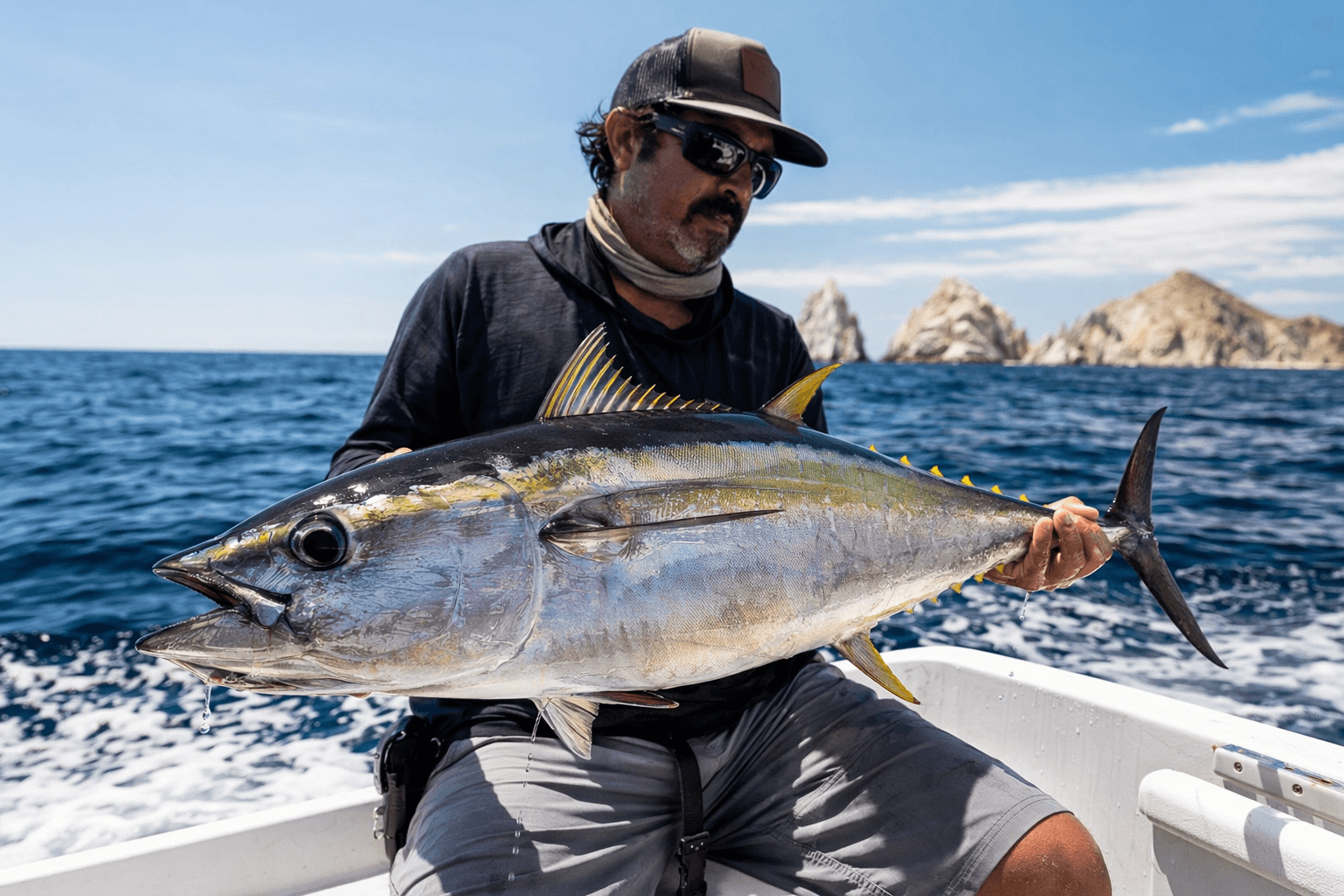
May gives you a different tradeoff. You often get a cleaner, more comfortable trip with a better chance of decent action before the calendar gets crowded and the offshore pressure ramps up. If you are chasing numbers above all else, later summer usually offers more abundance. If you want a strong shot at tuna with a more manageable travel experience, May can be the better call.
That timing also matters for boat selection and expectations. In May, you are often fishing a fishery that is still turning over, which means one day can look completely different from the next. That is not a flaw in the month. It is the nature of Cabo in spring, and it is exactly why experienced anglers pay attention to it.
How to judge whether the window is worth your money
The question is not whether Cabo can produce tuna in May. It can. The real question is whether the current conditions justify the charter spend for the kind of day you want. If you care most about comfort, flexible timing, and a solid chance at yellowfin while the season is still expanding, May is easy to defend. If you are trying to stack the deck for maximum offshore volume, you may want to look deeper into summer.
A good May booking usually makes sense when a few things line up:
- Water temperatures are trending warmer and bait is moving.
- Captains are reporting surface signs, bird activity, or consistent marks offshore.
- You are comfortable with a search-first style of tuna fishing.
- You want action without the full high-season crush.
If those pieces are not there, the trip can still be worthwhile, but you should buy it with eyes open. Cabo tuna days can be long, and the best captains earn their money by reading subtle signs and covering ground until the fish show themselves.
Why Cabo still matters to tuna anglers
Cabo is not just another warm-water stop on the Pacific map. Visit Los Cabos describes sportfishing there as a year-round activity, and that is the right way to think about the place. Anglers come for pelagic species such as blue marlin, striped marlin, dorado, roosterfish, and yellowfin tuna, and Cabo San Lucas still has the bustling marina energy that made it a fishing haven in the first place.
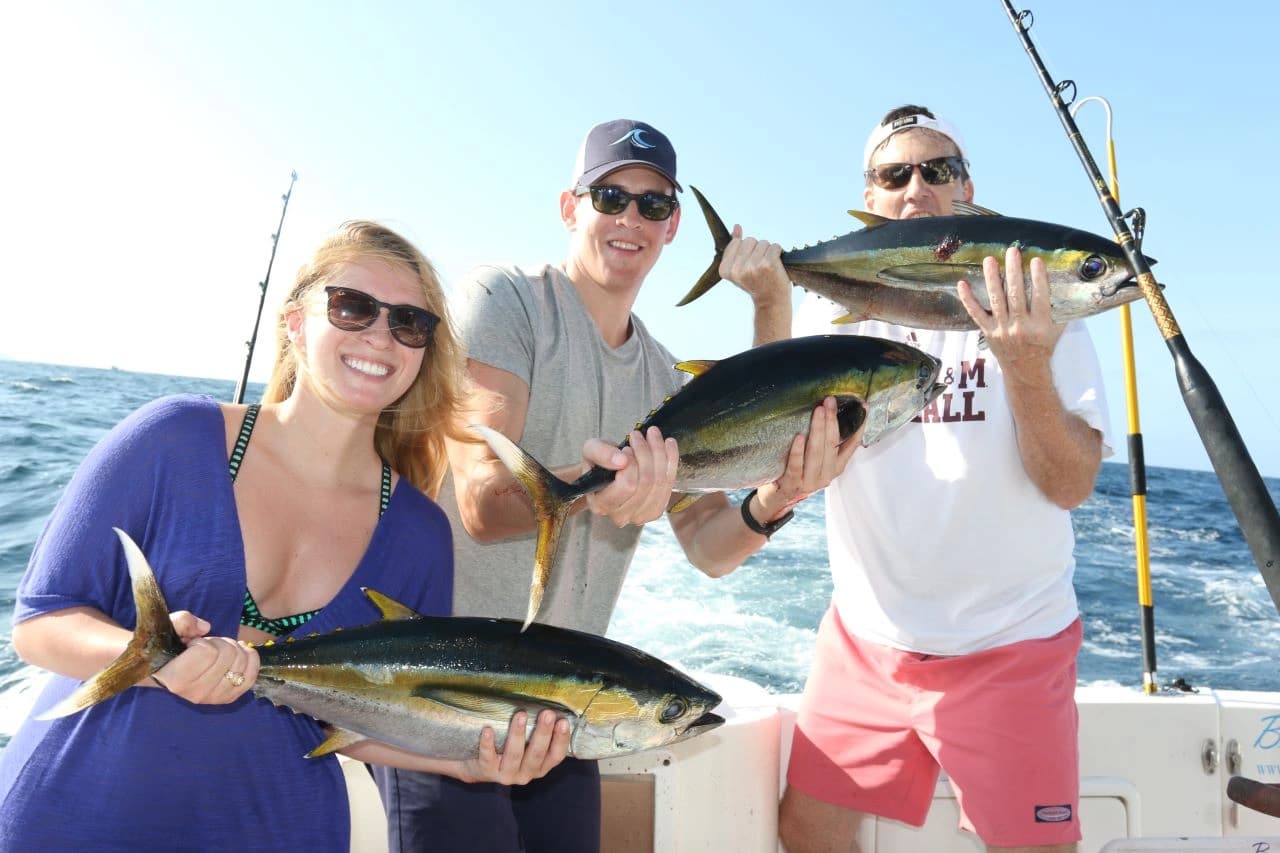
The prestige around the destination is real, too. The Bisbee’s Black & Blue Tournament transforms the marina every October and draws anglers from around the globe. That kind of reputation does not appear out of nowhere; it is built on a fishery that keeps producing. Visit Los Cabos also notes that Ernest Hemingway traveled to Baja California Sur to experience the marlin and tuna fishing there, which tells you just how long this water has carried its reputation.
That history matters because it explains why Cabo still pulls serious tuna anglers back even when the fish are not in their absolute peak phase. The place has range. It can give you a relaxed spring trip or a hard-charging tournament feel, depending on the season and the day.
The bigger fishery behind the bite
There is also a management story behind every tuna trip here. NOAA Fisheries identifies Pacific yellowfin tuna as a managed species, and the Inter-American Tropical Tuna Commission is responsible for conservation and sustainable management of tuna and tuna-like species in the Eastern Pacific Ocean. A peer-reviewed paper notes that yellowfin tuna in the Eastern Pacific Ocean are managed as a single stock, which is a reminder that Cabo’s spring bite sits inside a much larger regional fishery.
For anglers, that matters in a practical way. You are not chasing a local novelty fishery with no structure behind it. You are fishing a major Pacific stock that moves through a broad system of warm water, bait movement, and seasonal pressure. In other words, May in Cabo is not a random fluke. It is part of a larger seasonal rhythm that serious tuna anglers can learn to use.
The bottom line for May bookings
May is a smart month to book Cabo tuna if you want a strong balance of comfort, opportunity, and timing. It is not the loudest month on the calendar, and it is not the easiest month to chase pure volume, but it often gives you exactly what a practical angler wants: a real yellowfin shot in a season that is clearly turning on. If the water is warming, the bait is moving, and the offshore signs are active, May can deliver a tuna trip that feels efficient instead of overhyped.
If you know what Cabo tuna fishing actually asks of you, this is the window that makes sense.
This article was produced by Prism’s automated news system from verified source data, official records, and press releases, then run through automated quality and moderation checks before publishing. The system is built and supervised by the people who set the standards it runs under. Read our full AI policy.
Did this article answer your question?