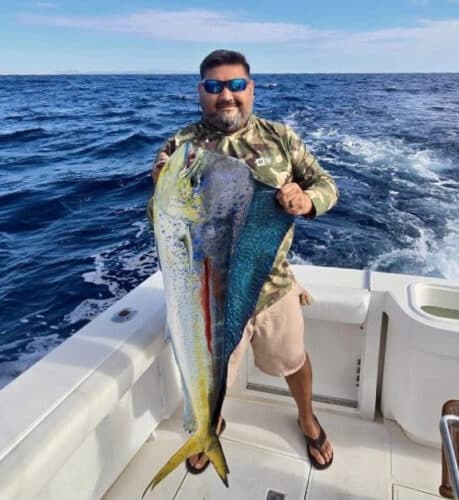
Warm waters spark massive yellowfin tuna action off Puerto Vallarta
Warm water and bait buildup are pushing yellowfin into a real May window off Puerto Vallarta, with 100-pound-plus tuna now in play offshore and closer to the Marietas.
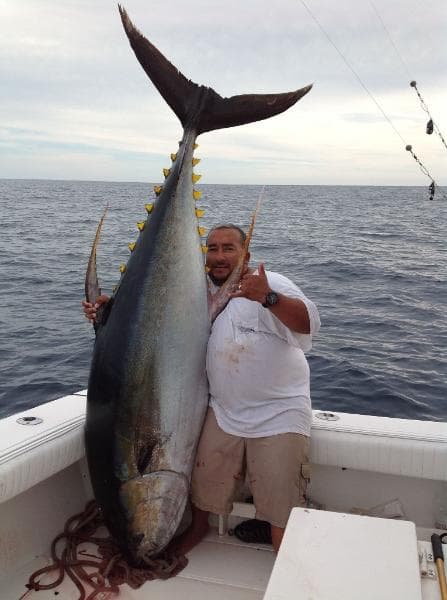
Warm water is turning Puerto Vallarta into a real yellowfin decision point
Massive yellowfin tuna are crashing bait balls off Puerto Vallarta, and that is the kind of signal tuna travelers can actually book around. Sea surface temperatures have climbed into the 78 to 80 degree range and higher, bait is flooding the system, and the bite is shifting from scattered to distinctly fishable for anyone willing to make the run.
What the water is telling you
This is a late-spring offshore transition, not a random hot streak. The change starts with warming water, then bait movement follows, with mullet, goggle-eye, ballyhoo, and shad all showing up in numbers. Once that bait stacks up, the whole food chain tightens, and Puerto Vallarta starts producing the multi-species bite the area is known for.
That matters because this is not just about yellowfin. The same conditions are bringing marlin, dorado, wahoo, sailfish, and even roosterfish into the picture. When the ocean locks into this pattern, the fishing stops being one-dimensional and starts behaving like a real summer booking window.
Where the tuna are showing now
The clearest yellowfin signal is offshore, 30 to 50 miles out, where larger schools are becoming more aggressive. Some fish are also edging closer to the Marietas Islands as thermoclines shift, which gives anglers two very different decisions: make the longer run for the best shot at heavier tuna, or work the closer water when bait and temperature line up.
For tuna-minded travelers, that spread is the key detail. It means the bite is no longer confined to one obvious lane, and it gives captains more room to adjust on the fly. If you are chasing yellowfin first and everything else second, the offshore zone is the stronger play. If you want mixed-bag action and are willing to trade some certainty for flexibility, the inshore-to-offshore transition zone can still pay.
Why this bite is getting attention
The current reports make one thing plain: this is the first realistic May shot at 100-pound-plus yellowfin in the area. That is the kind of fish size that changes how anglers plan a trip, how crews rig, and how charter boats think about fuel, time, and target species.
Puerto Vallarta has history on its side too. Earlier reports documented giant yellowfin at 427.9 pounds and 443 pounds, a reminder that this region is not just capable of producing big tuna in theory. It has already done it, and that reputation still hangs over every strong offshore push that develops here.
What else is in play offshore
The tuna bite is part of a broader offshore spread that still has serious marlin value. Productive runs to Corbeteña and El Banco are producing blue and black marlin in the 300 to 500 pound range, which keeps the area squarely on the radar for crews looking for heavyweight action beyond yellowfin. Large lures and slow-trolling live bonito are the preferred approach for those bigger offshore fish, and that style of fishing fits the current conditions well.
That species mix is one reason Puerto Vallarta keeps showing up in spring and early summer conversation. Banderas Bay has long been known as a place where black marlin, monster yellowfin tuna, sailfish, dorado, and roosterfish can all be in play in the same broad seasonal window. When the water turns warm and clean, the region shifts from a general offshore option into a place where a single day can turn into a serious tuna-and-marlin test.
Why May is the booking window that matters
May is the pivot month. Banderas News has described Puerto Vallarta as one of the best sportfishing areas in Mexico when the water turns warmer and cleaner, and that matches the current offshore pattern almost exactly. The fishery is not just active, it is setting up in a way that can carry into stronger summer action if the bait remains concentrated and the temperature breaks hold.
That is where the practical value is for travelers. If you want a shot at yellowfin plus marlin and dorado in the same trip, this is the time to consider booking. If you are chasing only tuna and want the most obvious, repeatable signal, watch whether the 30- to 50-mile offshore bite keeps tightening and whether more fish continue sliding toward the Marietas Islands.
Who should go now, and who should wait
Go now if you want the best chance at a multi-species offshore trip with realistic yellowfin upside and you are comfortable running miles for it. This is also the right window if you are targeting a true trophy tuna opportunity, because 100-pound-plus fish are now a credible expectation rather than a fantasy.
Wait if you want a cleaner, more narrowly tuna-focused signal closer to shore and you are not interested in longer runs. The bite is promising, but it is still in transition, with the strongest action anchored offshore and only some fish moving in as the thermoclines shift. A stronger closer-in push would make the summer window even better.
The bigger takeaway
Puerto Vallarta is entering one of those offshore stretches that draws attention for a reason: warm water, bait concentration, and a mixed spread that can produce yellowfin, marlin, dorado, sailfish, wahoo, and roosterfish in the same broad system. A Puerto Vallarta tournament that drew 40 crews chasing marlin, tuna, and dorado showed just how deeply rooted that reputation is, and the current May setup explains why the pressure is back on.
For tuna anglers, the message is simple. The window is open enough to book, serious enough to matter, and tuned enough to make the next run offshore worth watching closely.
This article was produced by Prism’s automated news system from verified source data, official records, and press releases, then run through automated quality and moderation checks before publishing. The system is built and supervised by the people who set the standards it runs under. Read our full AI policy.
Did this article answer your question?