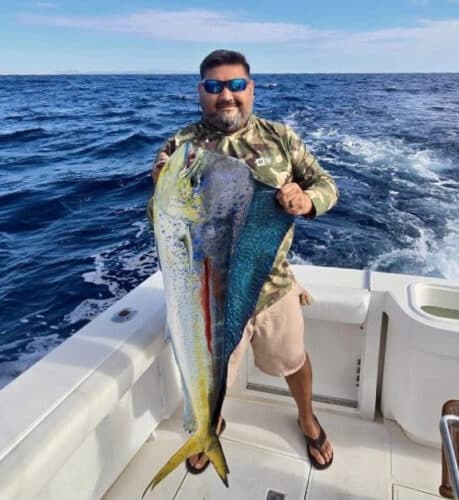
Yellowfin Tuna Drive Carolina Charters, State Records and Offshore Angling
Yellowfin are the Carolina tuna worth the fuel burn, and the fast ID details, warm-water cues and legal limits decide whether your offshore run pays off.
Yellowfin Tuna Drive Carolina Charters, State Records and Offshore Angling
Yellowfin are the tuna that make Carolina offshore plans real. North Carolina and South Carolina both set their yellowfin state records in the same year, and in North Carolina the species is not just a trophy fish, it is the backbone of the offshore charter scene and the tuna that state anglers land in the greatest poundage in the country.
That is why getting yellowfin wrong costs you more than bragging rights. Confusing them with other tunas can send you offshore with the wrong tackle, the wrong spread, and the wrong expectations about where the bite should happen. Yellowfin are the fish that tell you whether a run is worth the fuel, especially when warm water, bait, and current all line up over the Carolina shelf.
Know the tuna you are actually chasing
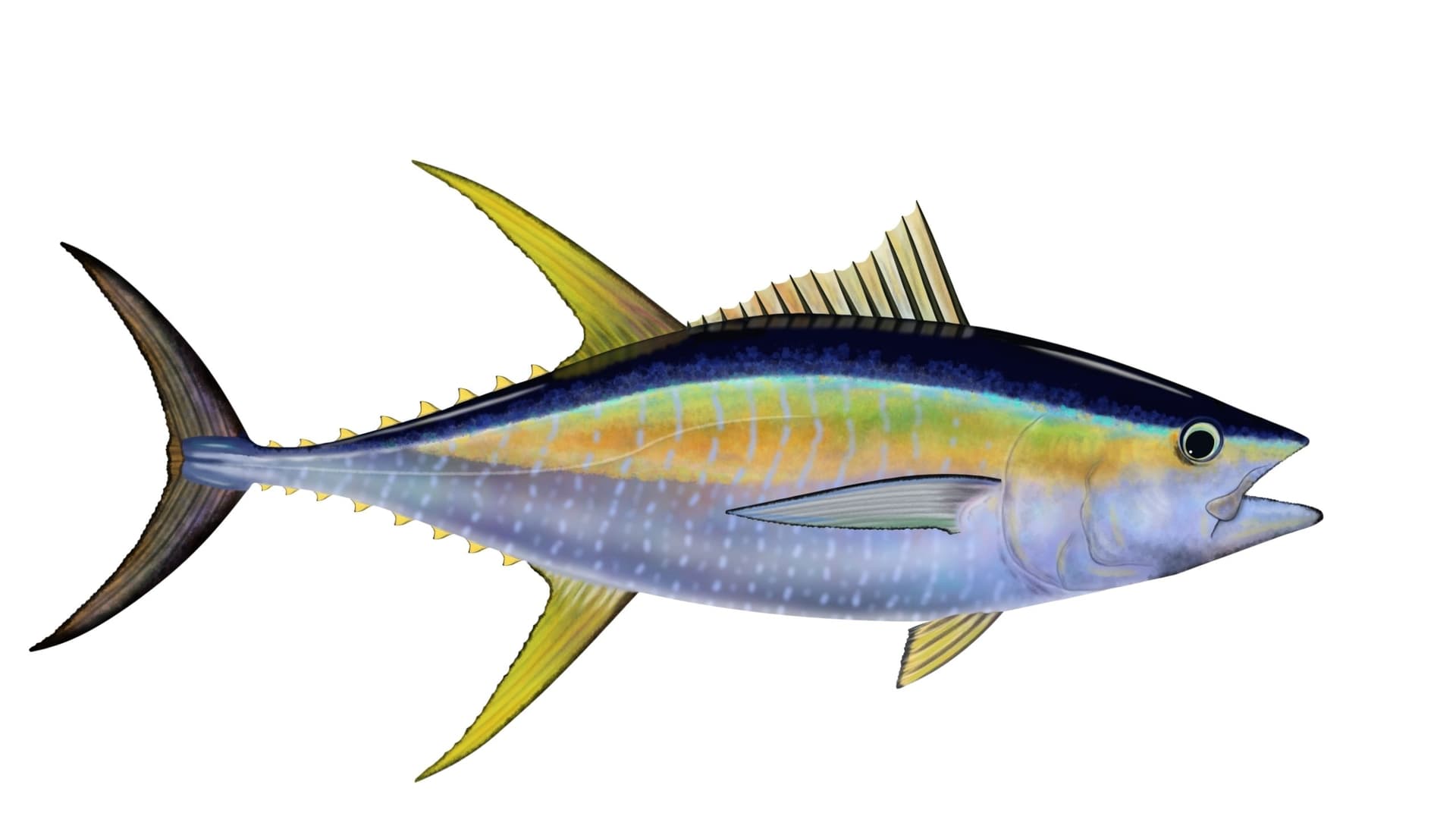
Yellowfin are built for speed. NOAA describes them as torpedo-shaped fish with a metallic dark blue back and upper sides, a belly that shifts from yellow to silver, and bright yellow dorsal and anal fins and finlets. They are also more slender than bluefin tuna, which is the quickest practical clue when you are squinting across a slick line or watching fish roll under birds.
Size matters too. Yellowfin can top 400 pounds, but most of the fish you hear about in day-to-day offshore talk are far smaller than that headline number. They are fast-growing tuna with a lifespan of about 7 years, and most begin reproducing at age 2 or 3, which is part of why they can turn over quickly in the fishery and still show up in strong numbers when conditions are right.
- long, bright yellow dorsal fin
- yellow stripe along the side
- torpedo shape and slim profile
- darker back, lighter belly
- yellow finlets that stand out when the fish is lit up at the surface
A clean field ID keeps you from wasting time on the water. The details that matter most are simple:
That visual package is what separates yellowfin from the bluefin confusion that burns anglers more often than they want to admit. Once you know the silhouette, you stop guessing and start fishing the right way.
Why Carolina captains watch current, not just miles
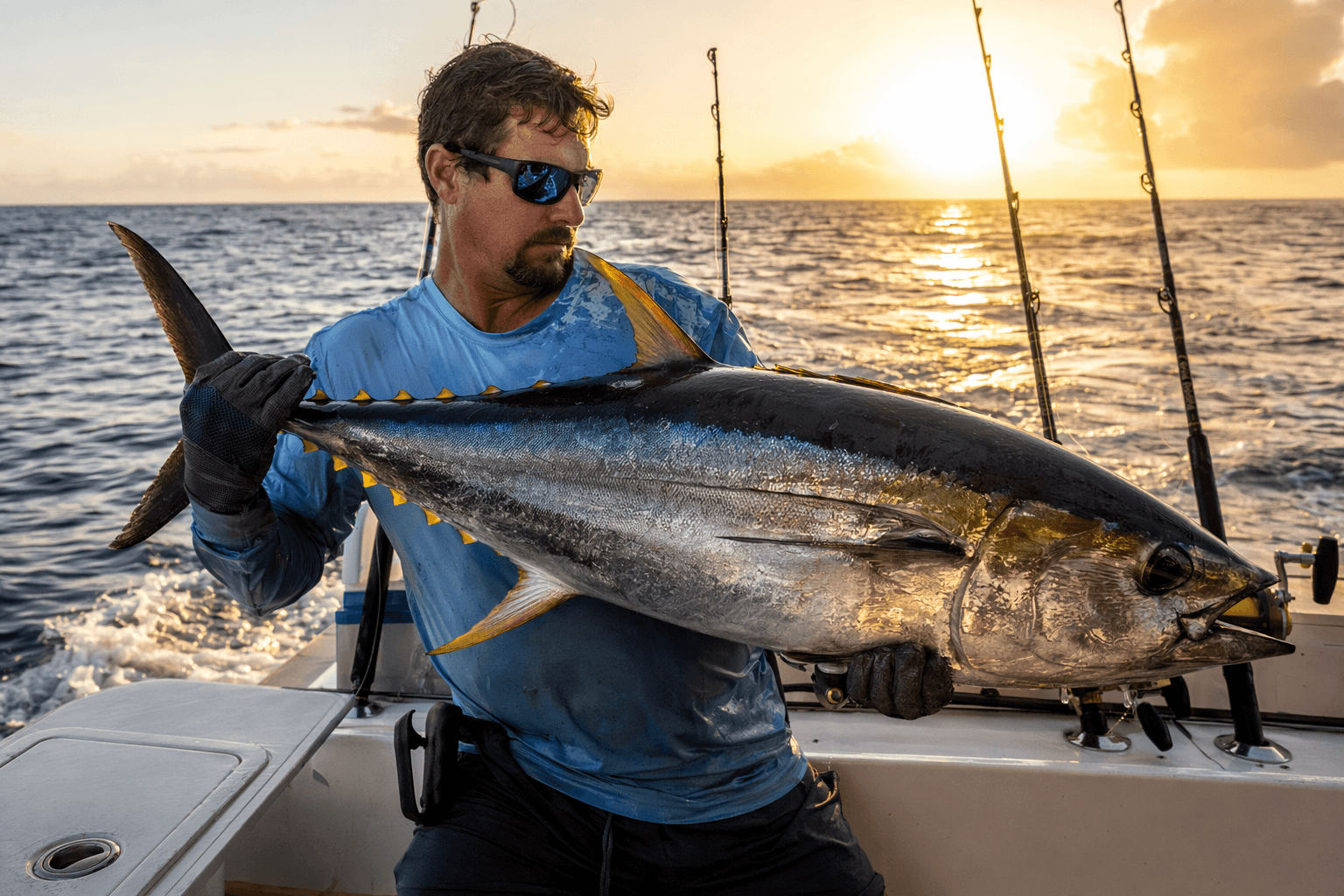
Yellowfin live in the epipelagic zone, the upper layer of the ocean above the thermocline. The thermocline is the transition layer below the surface mixed layer where temperature drops rapidly with depth, and NOAA notes that its depth and strength change by season and latitude. That matters because yellowfin follow the kind of warm-water structure that concentrates bait and sets up predictable offshore bites.
In South Carolina, the practical window can be closer than a lot of anglers expect. South Carolina DNR says yellowfin, dolphin, and wahoo follow warm ocean currents into shallower water 20 to 25 miles offshore in early spring and summer, and the agency also notes that these pelagic species are available throughout the year in warm Gulf Stream water 35 to 75 miles offshore. That is the kind of range that changes a trip from a big-budget long run to something a smaller boat can realistically make when the forecast and sea state cooperate.
For a Carolina angler, that means fuel stops being the only variable. The better question is whether warm water has pushed into the right place over structure, and whether the thermocline and current edge are stacking bait where yellowfin can work the top of the water column. When that happens, the fish can show much closer to shore than people think.
Read the bite, not just the weather
Yellowfin are schooling fish, and that is the habit that turns isolated sightings into memorable days. They often travel with other tunas, dolphin, billfish, and sharks, which is why a hot mixed bite can build fast around floating debris, weed lines, and other surface structure. NOAA also says juvenile yellowfin travel in schools with skipjack and juvenile bigeye tuna, and ICCAT’s 2024 assessment notes that juvenile yellowfin form mixed schools with skipjack from about 30 cm to 170 cm fork length.
That is more than biology trivia. It tells you where to spend your trolling time. Logs, pallets, grass lines, and other floating objects are worth attention because they gather bait first and tuna second. If the surface is alive with birds, scattered flyers, or bait pushed tight to a weed line, you are in the right neighborhood for yellowfin to appear with almost no warning.
Yellowfin are also built to eat a wide menu. NOAA says they feed on fish, squid, and crustaceans, and that they sit near the top of the food chain while also serving as prey for sharks and large fish. In practical terms, that means they are aggressive, mobile predators that can materialize on a productive edge and vanish just as quickly once the bait gets pushed down or the current shifts.
Why the fishery still matters
The management picture is solid, but it is not something to ignore. NOAA says Atlantic yellowfin are not overfished and not subject to overfishing under the 2024 stock assessment. ICCAT’s 2024 stock-assessment meeting reached the same conclusion for the Atlantic stock in 2022, though it also noted that uncertainty remains. That assessment drew on catch data going all the way back to 1950 and ran through 2022, which gives the stock picture real depth even as managers stay cautious.
For anglers, the rules are straightforward and worth knowing before you leave the dock. Atlantic recreational yellowfin have a 27-inch curved fork length minimum and a 3-fish-per-person-or-trip limit. You also need a valid HMS Angling permit or HMS Charterboat/Headboat permit to fish for them in Atlantic waters.
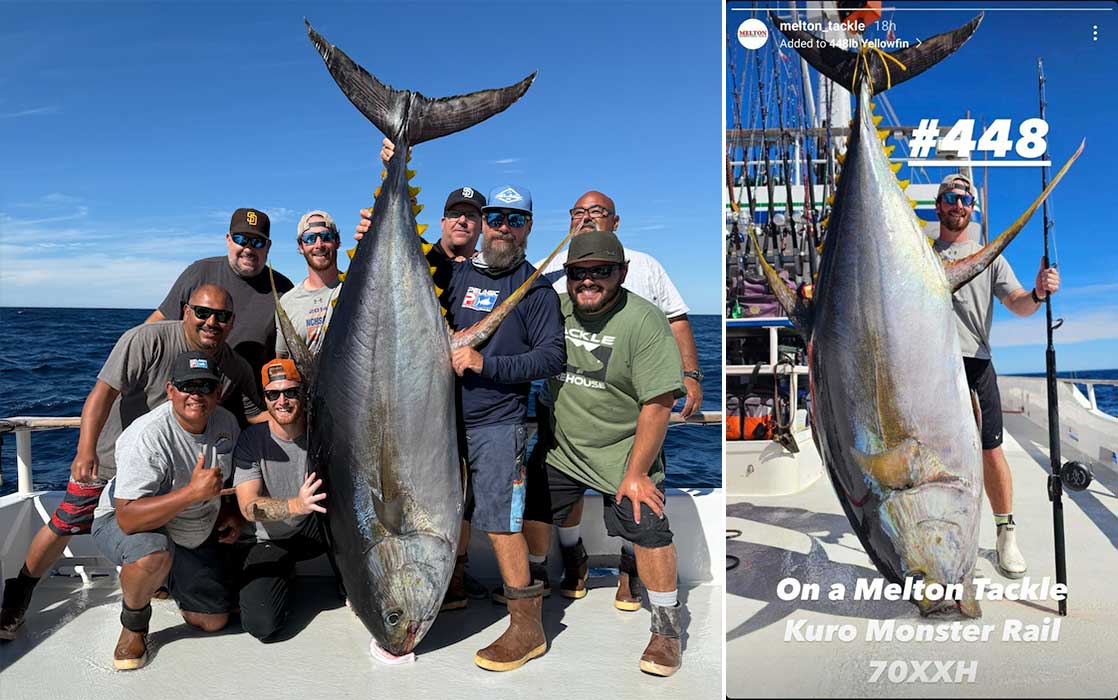
North Carolina keeps the bar high in a different way. The state’s yellowfin tradition is so strong that the North Carolina Saltwater Fishing Tournament recognizes yellowfin tuna harvests at 70 pounds or greater. That number is a reminder of what the fishery means there: not just dinner, but a benchmark species for serious offshore days.
The pre-trip yellowfin test
Before you burn fuel, line up the run against a simple checklist. Yellowfin are worth the trip when warm water is in play, current edges are clean, bait is holding to floating structure, and the report from the grounds points to mixed pelagic life rather than a dead stretch of blue water. In South Carolina, that can mean deciding between a 20- to 25-mile early-season run and a deeper 35- to 75-mile Gulf Stream push. In North Carolina, it means knowing that the species is central enough to the charter economy that the best days are often built around yellowfin first and everything else second.
That is the real Carolina yellowfin playbook: identify the fish correctly, read the warm water, trust the structure, and understand the rules before the spread ever hits the water. Do that, and yellowfin stop being a long shot and start looking like the offshore target that keeps the whole trip honest.
This article was produced by Prism’s automated news system from verified source data, official records, and press releases, then run through automated quality and moderation checks before publishing. The system is built and supervised by the people who set the standards it runs under. Read our full AI policy.
Did this article answer your question?