Bluefin move north as yellowfin tuna take over offshore chase
Bluefin are sliding north and yellowfin are filling the gap off Ocean City, so the next 1-2 weeks favor a yellowfin-first offshore plan.

Bluefin are sliding north and yellowfin are moving in to take their place off Ocean City, and that shift changes how the next few trips should be planned. This is not a generic offshore lull or a broad summer recap, it is a moving boundary line, the kind captains watch closely when they decide whether to troll, chunk, or keep running farther offshore.
What the handoff looks like offshore
Scott Lenox’s June 17 Ocean City report framed the transition plainly: as bluefin tuna move farther north, yellowfin are moving in behind them. That matters because the offshore bite is no longer a simple bluefin chase, it is a seasonal handoff where one tuna species is fading and another is becoming the immediate target.
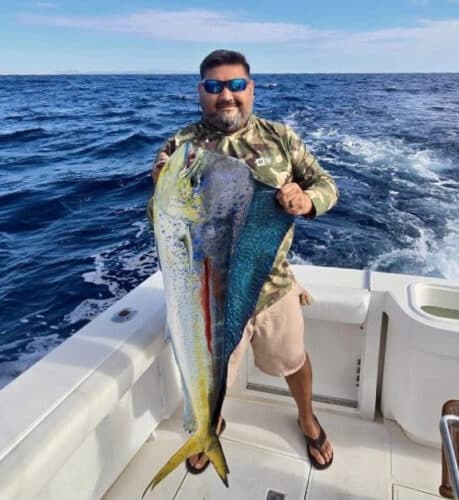
The reports around Ocean City show that the window is still active, just more layered than a single-species bite. The Boss Hogg, with Captain Alex Beane, caught and released a blue marlin and boxed yellowfin tuna along with a nice mahi. The Spring Mix II found bluefin and put a three-fish limit in the box, which tells you bluefin are still around even as yellowfin become the more obvious target.
That mix is the real story for the next 1-2 weeks. Ocean City crews are not choosing between tuna and nothing, they are choosing which tuna lane to lean into and what other species to keep on the radar if the first plan goes soft.
How to plan the next run
The first decision is range. On The Water said on June 4 that yellowfin, bluefin, mahi, and tilefish were making long canyon runs worthwhile, and by June 11 it noted that the yellowfin bite in the canyons had quieted down. Put those together and the message is clear: the offshore run can still pay, but the bite is no longer something to assume will be hot from the jump.
That means trip planning should start with the yellowfin program, not as an afterthought. If you are choosing a day on the calendar, the smart read is to treat yellowfin as the immediate target out of Ocean City while keeping enough flexibility to react if the canyon cools off or the fish slide again.

The spread should match that reality. Lenox’s framing, whether you troll, chunk, or run farther offshore, captures the tactical choice perfectly: keep the boat ready to switch lanes without rebuilding the whole day. A crew that can make a fast adjustment from a trolling setup to a chunking plan will be in better shape than one that commits too hard to a single look.
- Build the trip around a canyon run, not a nearshore gamble.
- Keep the spread flexible enough to switch if yellowfin do not show quickly.
- Leave room for a mahi or blue marlin surprise, because the mixed bite is still part of the picture.
Gear and spread adjustments
This is where the transition from bluefin to yellowfin really changes the deck. A boat set up only to think about bluefin is missing the current opportunity, and a boat that chases yellowfin too narrowly may be caught flat-footed if bluefin still pop up in the same grounds.
The best adjustment is mental as much as mechanical. Keep the yellowfin plan front and center, but do not strip the rest of the tuna program out of the boat. The Spring Mix II’s three-fish bluefin limit and the Boss Hogg’s mix of yellowfin, mahi, and a released blue marlin are reminders that the offshore spread can still meet more than one species in the same day.
That also means the decision-making on board should stay clean. If the fish show as yellowfin, stay with yellowfin. If bluefin move through, know the retention rules before the bite starts. NOAA’s recreational bluefin status page was last updated on June 10, 2026, and NOAA makes clear that Atlantic bluefin and yellowfin are federally managed highly migratory species in U.S. Atlantic waters, with bluefin rules that vary by region and size class.
The backup plan when the canyon softens
Ocean City’s offshore story is bigger than tuna alone, and that matters when weather, current, or bait move the fish around. Captain Tony Bautista reported a good charter day while fishing the bass grounds and put six keeper flounder in the box, while Captain Jason Mumford of Lucky Break Charters kept producing flounder from the bay behind Assateague Island.
That backup action is not a side note. It is how a day gets salvaged when the offshore run does not come together fast enough, and it is part of the same June rhythm that keeps local boats moving between the canyons and the back bay. Even the tougher blue-line tilefish bite still produced fish for persistent crews, which says the deep-drop and canyon programs were both live on the same day.
For the next stretch, that mixed-bag thinking is useful. If the offshore tuna pulse slows, the bay and the inshore reefs still offer a way to keep rods bent, and the same weather window that fuels a tuna run can still be good for flounder and other bottom fish.
The tournament layer behind the bite
The tuna shift also sits inside a bigger Ocean City fishing culture, and Tuna & Tiaras is part of that story. The tournament was founded in 2021, bills itself as the world’s only tuna tournament exclusively for women, and benefits Women Supporting Women, a local breast cancer support organization.
Its 2026 registration page listed a June 11 event at Ocean City Fishing Center with a $600 boat entry for up to six anglers. That kind of turnout says a lot about how deeply tuna fishing is woven into the town, not just as a catch-and-release game or a box-filling pursuit, but as a community event that draws boats, money, and identity offshore.
Bluefin are moving north, yellowfin are moving in, and Ocean City’s smartest crews will ride that handoff rather than wait for a perfect bite report. The boats that stay nimble, keep the rules straight, and leave themselves room to pivot from tuna to mahi to flounder will make the most of the next 1-2 weeks while the offshore line keeps shifting.
This article was produced by Prism’s automated news system from verified source data, official records, and press releases, then run through automated quality and moderation checks before publishing. The system is built and supervised by the people who set the standards it runs under. Read our full AI policy.
Did this article answer your question?