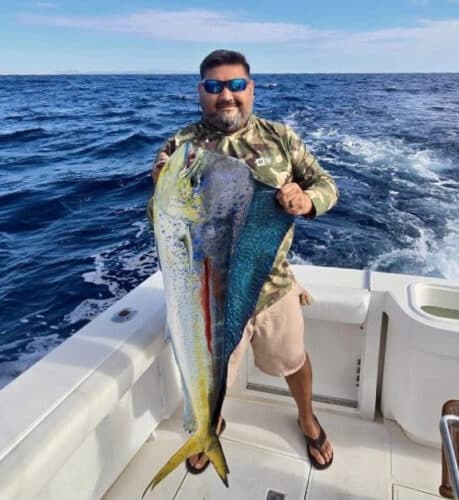
Bluefin tuna recovery raises new concerns over farmed fish impacts
Bluefin is recovering, but a new fight over farmed carnivorous fish could reshape how anglers talk about keeping, eating and defending the stock.
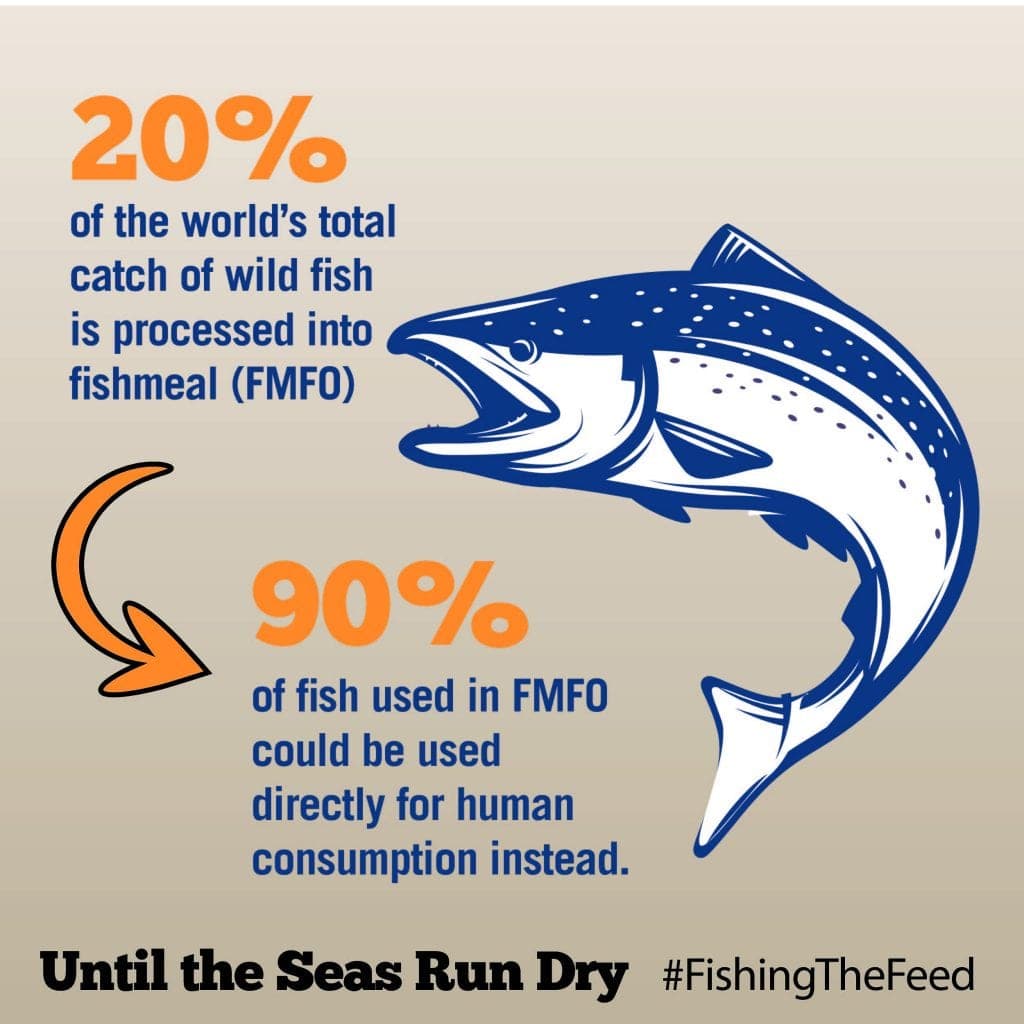
Bluefin may be back, but the next argument around the fish is no longer only about rebuilding a stock. It is about what happens when a recovered trophy species becomes part of a farming system that still leans on wild-caught fish for feed.
Compassion in World Farming says its analysis projects production of Atlantic bluefin tuna, Atlantic salmon and rainbow trout, along with other top carnivorous and omnivorous aquaculture species, will rise 30% by 2040. The group says that increase would drive a 70% jump in the wild-caught fish needed for fishmeal and fish oil by 2040, a warning that lands hard in tuna circles because bluefin sit at the center of a high-value market and a feed-heavy production chain.
That concern cuts straight across the recovery story anglers have watched for years. ICCAT, the Atlantic tuna management body, says its stock assessments and management decisions are science-based. Its scientists reported in 2024 that eastern Atlantic and Mediterranean bluefin tuna had shown a significant recovery in spawning stock biomass since the 2006 recovery plan, after a decline that began in the 1970s. ICCAT also said the stock no longer appeared to require the emergency measures that had been introduced under the recovery plan.
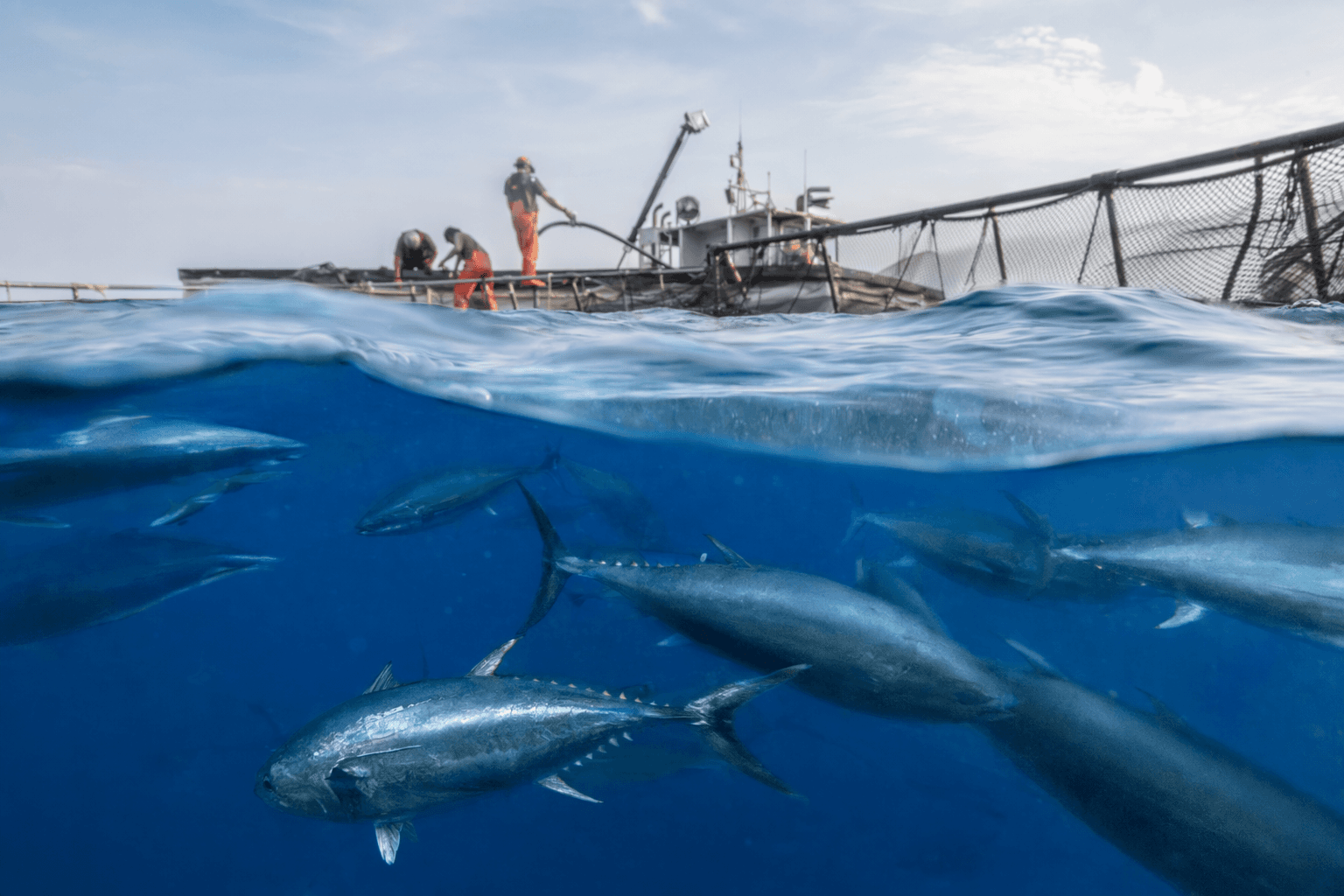
The shift matters because 2022 marked another turning point: ICCAT adopted the first management procedure for Atlantic bluefin tuna, setting quota rules for 2023 and beyond in both the western Atlantic and the eastern Atlantic and Mediterranean management areas. That is the kind of technical change that usually signals stability. But the farmed-fish debate means stability in the water does not automatically mean the public conversation stays calm.
CIWF argues that farming carnivorous species is inefficient, because it adds fishing pressure on wild forage fish and produces a net loss of food. ICCAT, meanwhile, has emphasized the need to reinforce traceability, especially for live-fish transport and farming activities. That traceability piece is likely to stay important if bluefin keeps expanding in commercial and aquaculture channels, because it goes to the heart of how the fish is tracked, sold and defended.
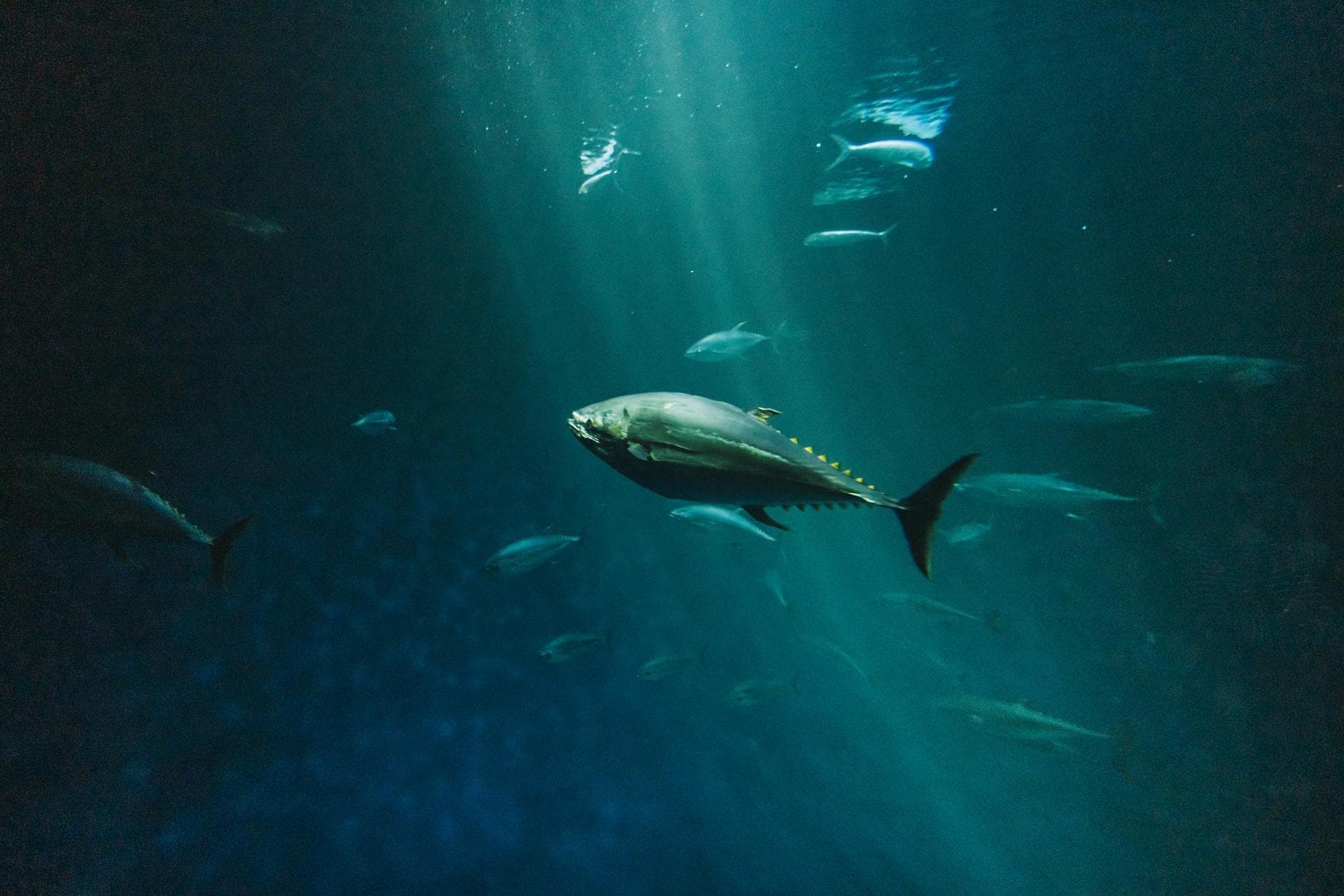
For recreational tuna anglers, the key question is not whether bluefin recovery is real. ICCAT says it is, and the numbers show a clear turnaround from the long slide that started in the 1970s. The bigger question is whether the success of that recovery turns bluefin into a new flashpoint, where keeping it, eating it and arguing for access all run headfirst into the politics of farming a predator.
This article was produced by Prism’s automated news system from verified source data, official records, and press releases, then run through automated quality and moderation checks before publishing. The system is built and supervised by the people who set the standards it runs under. Read our full AI policy.
Did this article answer your question?