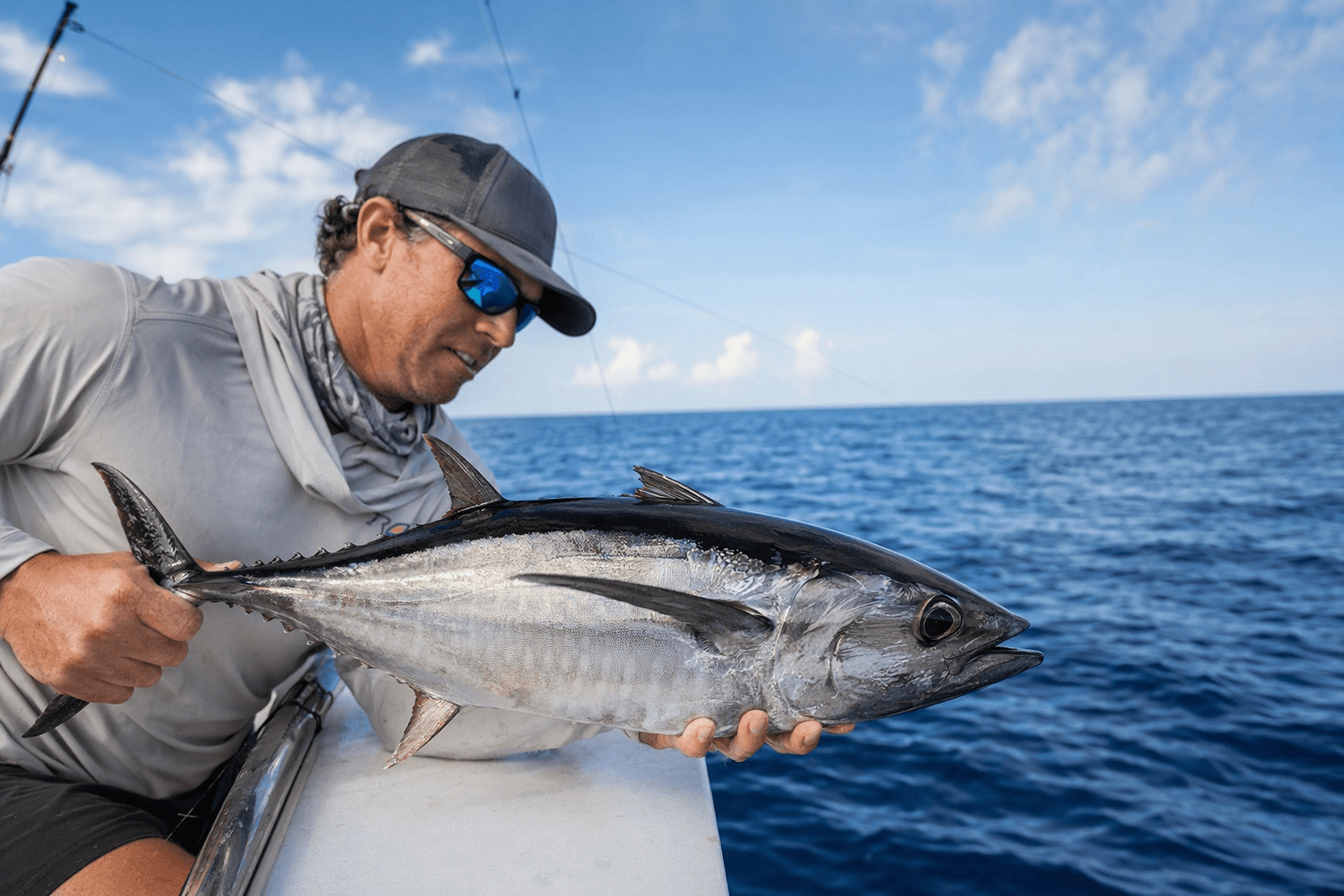
Experts warn daily tuna can raise mercury levels over time
Daily tuna can stack mercury faster than most anglers realize, and the type you eat matters as much as how often you eat it.
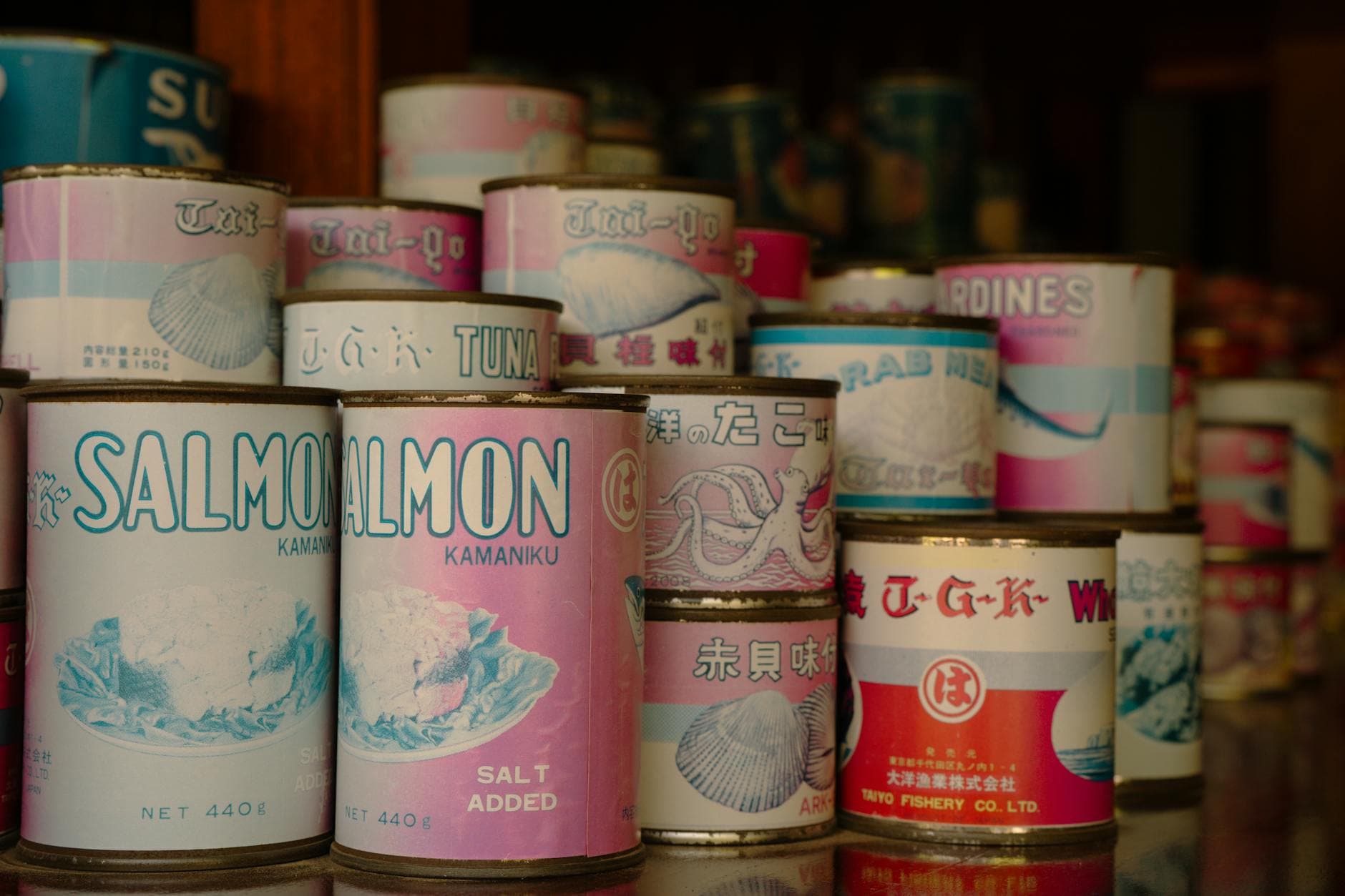
The real risk starts when tuna becomes routine
If tuna is the fish you reach for day after day, the mercury math matters. A viral discussion around Grace Beverley, who said she had been eating one to two cans of tuna a day before learning from her doctor that she was borderline for mercury poisoning and had very high arsenic levels, is a blunt reminder that this is not just a lab problem. It is a table-habit problem.
Mercury itself is naturally occurring, but the form people usually run into is methylmercury, and the U.S. Food and Drug Administration says the most common way people in the United States are exposed is by eating seafood contaminated with it. The World Health Organization says mercury can affect the nervous, digestive and immune systems, along with the lungs, kidneys, skin and eyes. That is why the warning around tuna is not about skipping fish altogether. It is about stopping the same fish from showing up too often.
How much tuna fits before the risk starts climbing?
The simplest answer is this: tuna is fine in moderation, daily tuna is where the risk starts to rise. The guidance that matters most here is not a hard ban, but a pattern. The FDA and EPA say eating a variety of fish is better than eating the same type every time, and the article highlights about two servings of tuna per week as the practical limit to keep in mind.
That advice is especially important for people who are pregnant or breastfeeding. The FDA and EPA recommend 8 to 12 ounces per week of a variety of seafood from choices lower in mercury. That range is not a tuna target, it is a broader seafood target, and it only works if the fish stays varied. If your weekly plan is tuna sandwich after tuna sandwich, you are not following the spirit of the advice, even if the portions look small on paper.
The problem with repetition is buildup. Mercury exposure is cumulative, so a can a day does not feel dramatic in the moment, but over time it can add up. That is why a lot of people get blindsided by tuna, especially when it seems like a clean, high-protein convenience food.
Not all tuna is carrying the same load
For anglers and canned-fish buyers, the species matters. Larger, long-lived fish tend to contain more mercury than smaller fish, which is why tuna sits in a different category from fish like salmon, sardines and flounder. On the tuna side, FDA monitoring data put canned light tuna at about 0.126 ppm mercury, while canned albacore averages about 0.350 ppm.
That gap is not trivial. Albacore is the tuna many people think of as the richer, firmer “white” tuna in the pantry, but it also carries a higher mercury load than canned light tuna. Consumer Reports discussions have also noted that mercury can vary a lot from can to can, which is another reason not to treat tuna like a perfectly consistent commodity.
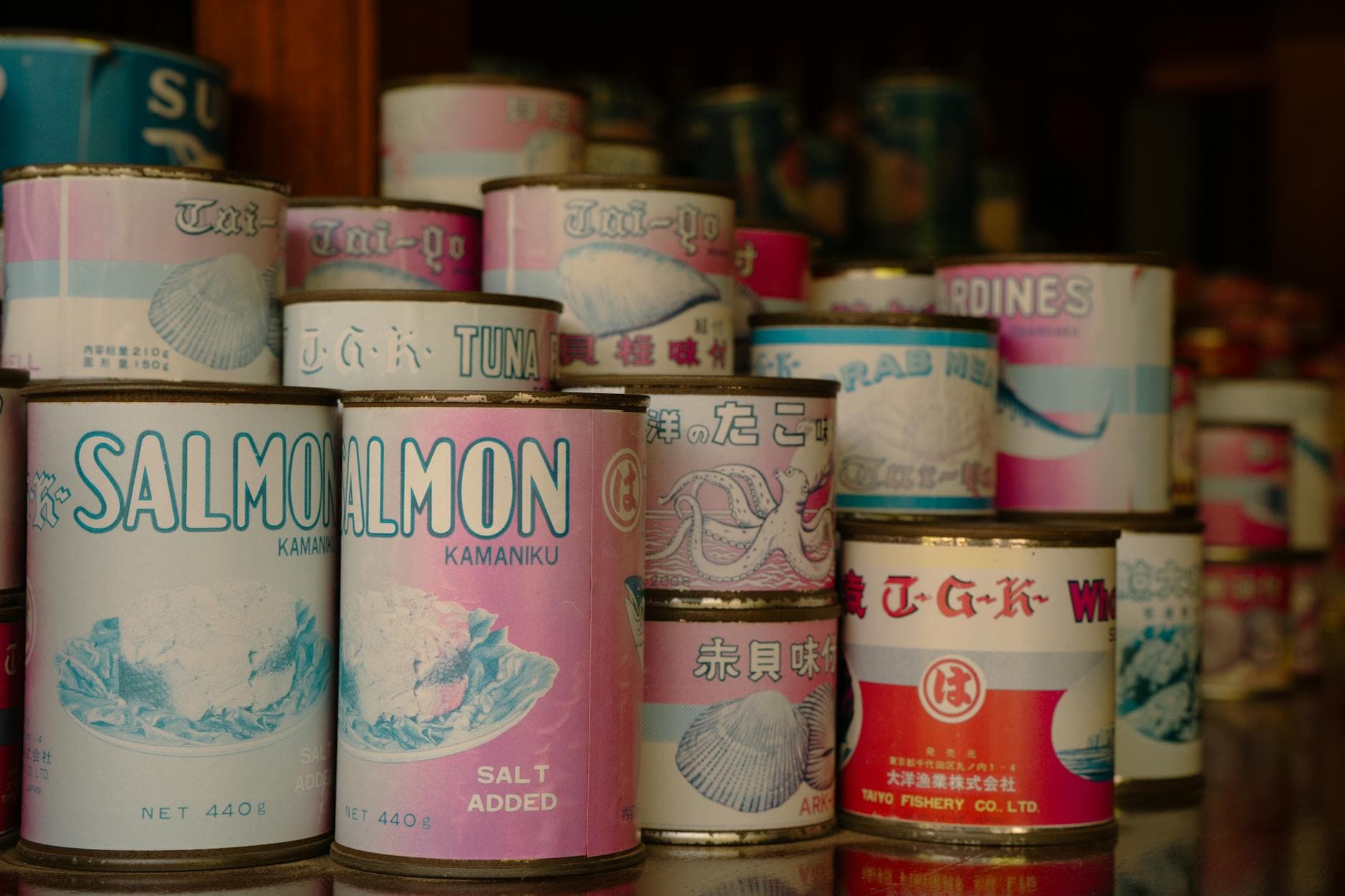
If you are deciding what to keep and what to eat, that means the safest move is to know exactly which tuna you are dealing with. Canned light is generally the lower-mercury canned option. Albacore is the one to be more cautious with, especially if tuna is already a regular part of your diet.
Fresh-caught tuna and canned tuna follow the same basic rule
A lot of anglers treat fresh-caught fish as if it sits outside the canned-fish conversation, but it does not. The body does not care whether the tuna came off the grill, out of a vacuum-sealed freezer bag, or from a store shelf. What matters is the species, the size, and how often you eat it.
That is where local fish advisories come in. The EPA says states issue advisories that tell consumers how often they should eat certain types and quantities of locally caught fish. If you are keeping tuna from your own waters, those advisories are part of the decision-making, not fine print. They are the practical tool for figuring out whether your catch is a once-in-a-while meal or something that should be spaced out.
The safest approach is the same whether you are filleting your own catch or opening a can: keep the species mix broad. Tuna can stay on the menu, but it should not be the only fish in rotation.
Why federal advice keeps pointing back to variety
This is not a brand-new scare cycle. FDA and EPA issued a final fish-consumption advice on January 18, 2017, and the FDA updated its fish advice on October 28, 2021 to align with the Dietary Guidelines for Americans 2020-2025. The structure of the advice has stayed consistent because the underlying issue has not changed: seafood can be part of a healthy diet, but some fish carry more mercury than others.
WHO also ranks mercury among the top ten chemicals of major public health concern, which is another reminder that this is not a niche fishing-board worry. It is a broad public-health issue with a very simple practical fix: do not let one fish dominate your plate.
For tuna anglers, the takeaway is straightforward. Tuna is still worth keeping, but it is better treated like a strong, occasional table fish than an everyday protein. If you are eating it daily, you are likely pushing past the point where convenience turns into cumulative exposure.
Know something we missed? Have a correction or additional information?
Submit a Tip