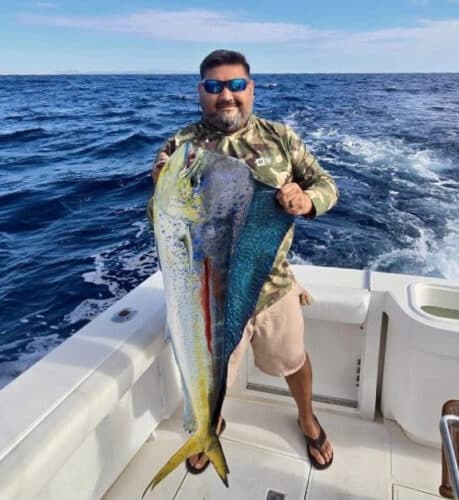
Blackfin tuna show in Islamorada as Florida Keys conditions settle
Wind eased, water cleaned up, and the Gulf Stream slid inside a short run of Islamorada. That put blackfin tuna in the mix with reef fish and bluewater targets.
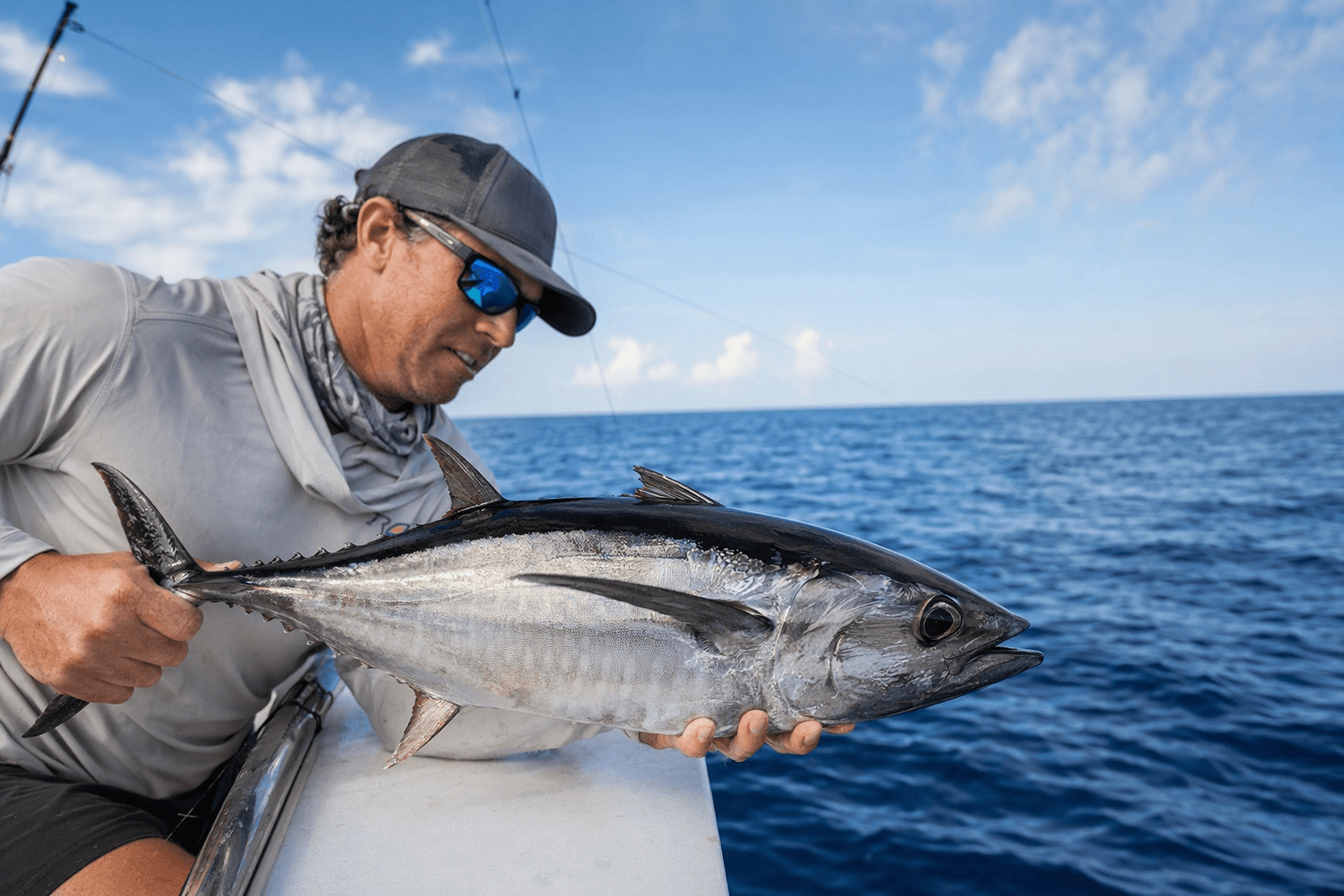
When the wind laid down and the water cleaned up off Islamorada, blackfin tuna moved from wish list to real option. The useful part of this run was not just that fish were showing, but that the setup repeated for several days: light seas, a close Gulf Stream edge, and enough stability to make a run offshore without gambling the whole day.
Dirty Boat’s captain’s log for May 7 through May 12 showed the same pattern building piece by piece. On May 7, the spring ridge was locked in, the seas were flat, and the Gulf Stream sat about 10 miles off Alligator. Yellowtail and mutton snapper on the reef were the high-percentage play. May 8 called it a golden repeat, with flat morning seas, light variable winds, and the Stream still 10 nautical miles off Alligator. By May 9, the breeze was up a touch at 10 to 15 knots out of the southeast, with 2- to 3-foot offshore seas, but the report still said the settled ridge was delivering clean water and chewing fish.
May 10 brought the gentlest breeze of the weekend, with southeast wind near 10 knots, 1- to 2-foot reef seas, and about 2 feet offshore. The log called it a Sunday funday on the reef, which was exactly the kind of language that tells you the bite window had opened. May 11 and May 12 kept the same tone, with light winds and low rain chances, and May 12 added reef-by-reef breakdowns from Molasses through Tennessee along with offshore species outlooks for Islamorada.
The offshore piece tightened even more on May 12. The Gulf Stream sat 6 miles southeast of Alligator Reef Light and 4 miles southeast of Molasses Reef Light, close enough to shorten the run and widen the shot at tuna, mahi-mahi, and kingfish in the same trip. The following day, the Stream had pushed even closer, to 6 miles southeast of Alligator and 4 miles off Molasses, which reinforced how quickly the bluewater edge had stacked up near the reef line.
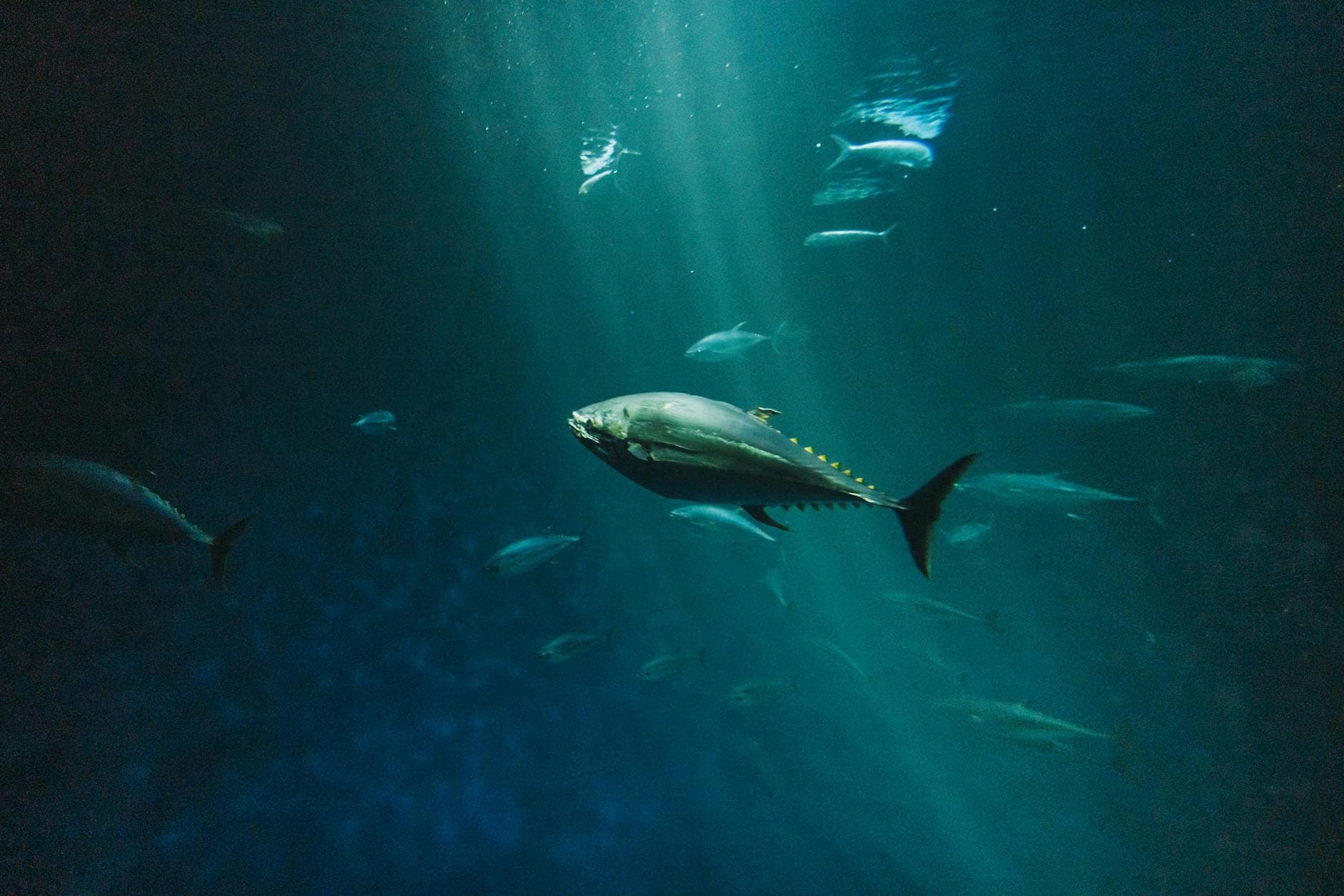
That matters for blackfin tuna because Florida Fish and Wildlife Conservation Commission materials describe them as a native fish with a bronze side stripe and dark finlets with white edges, and peak spawning in southeast Florida runs from May through June. The fishery is mostly recreational, with anglers accounting for 92 to 95 percent of harvest. Florida rules list no minimum size for blackfin tuna, with a bag limit of 2 per person or 10 per vessel per day, whichever is greater. NOAA Fisheries manages tunas as highly migratory species, and the state-federal line is part of the decision too, with state waters reaching 3 miles in the Atlantic and 9 miles in the Gulf before federal waters begin. When the wind settles, the water clears, and the Gulf Stream slides inside a short run of Islamorada, that is the window.
This article was produced by Prism’s automated news system from verified source data, official records, and press releases, then run through automated quality and moderation checks before publishing. The system is built and supervised by the people who set the standards it runs under. Read our full AI policy.
Did this article answer your question?