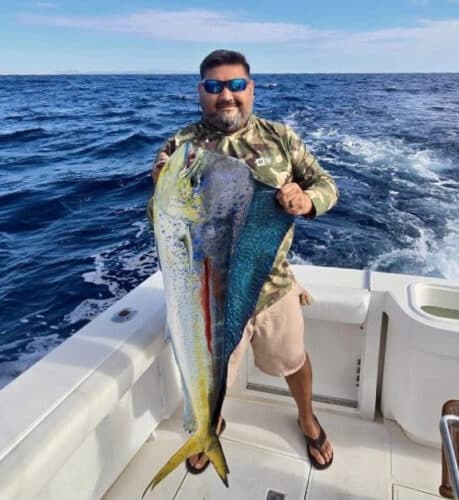
Virginia offshore boats return with blackfin tuna, mahi and wahoo
Blackfin with mahi and wahoo is the kind of early-May offshore clue Virginia tuna anglers wait for. It looks like the window is opening, but the sea bass rules make trip planning matter more than ever.
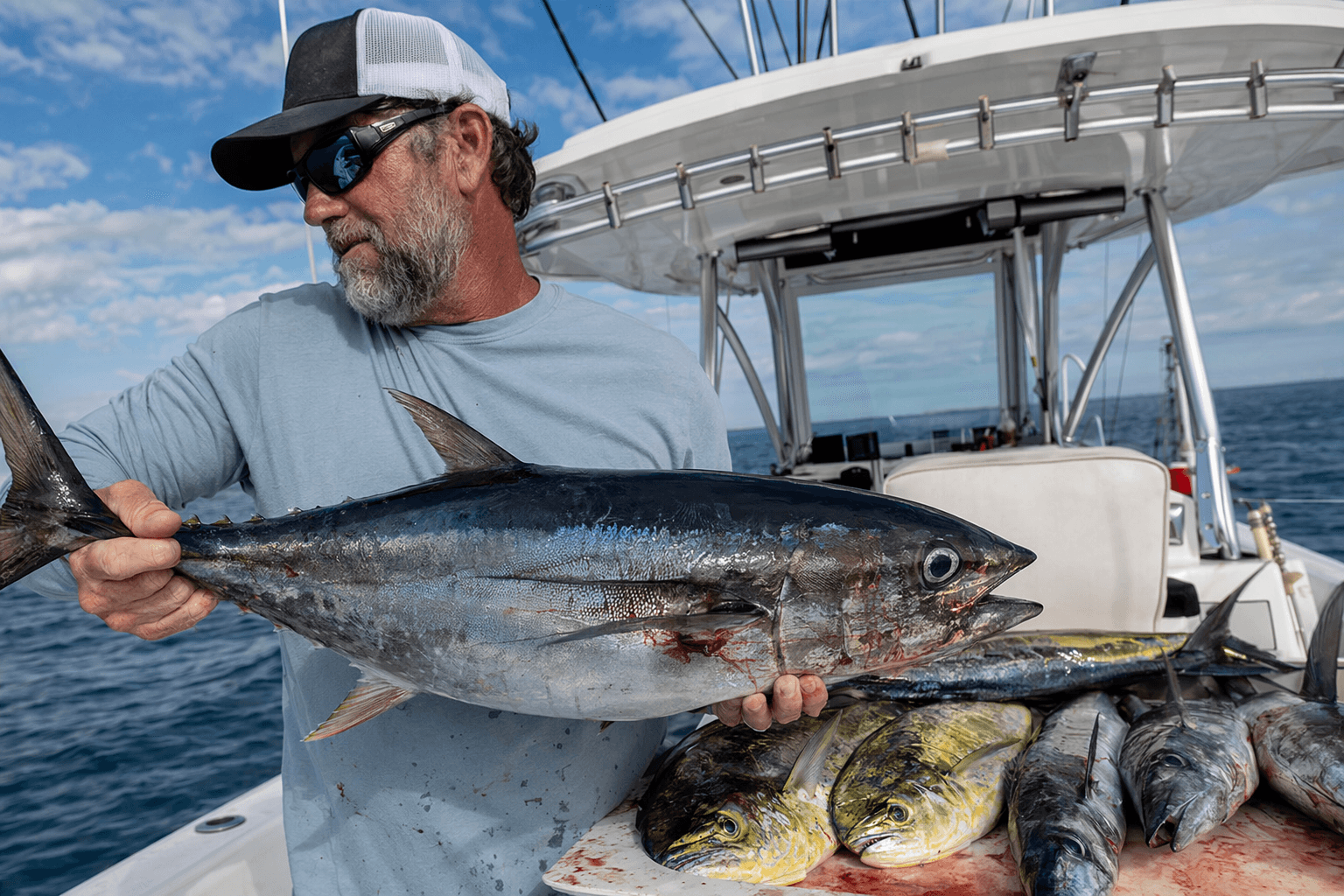
Offshore boats are starting to bring back the right mix
Blackfin tuna showing up alongside mahi and wahoo is the kind of report that gets Mid-Atlantic offshore boats leaning toward the fuel dock. Green Top’s May 2026 fishing report says exactly that: boats running out of Carolina were returning with blackfin tuna, mahi and wahoo, and that is a strong early signal for Virginia Beach and Outer Banks anglers watching for the first true May push.
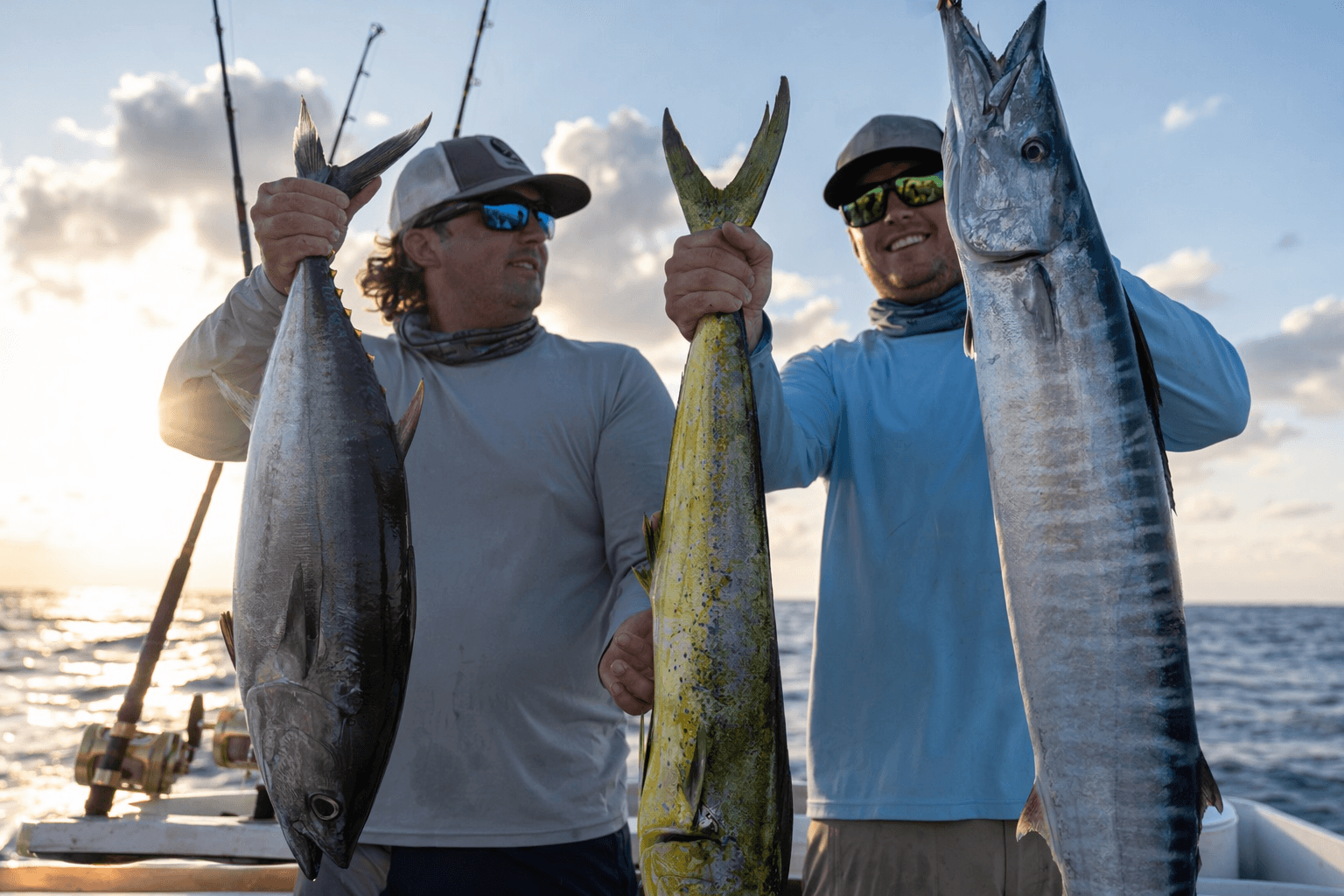
The reason this matters is simple. Blackfin is not a random bycatch note sitting in a report full of inshore filler. Blackfin, mahi and wahoo are the trio that tells you the warm-water pattern is building offshore, and that the first serious spring runs are worth considering now rather than later. For anglers deciding whether to make a long offshore gamble, that mix is the kind of confirmation that changes a phone call into a plan.
Why this looks like the May window opening
The Carolina reports line up with the broader offshore picture. A Carolina Beach May 2026 report said wahoo and blackfin tuna were the main catches, with mahi expected to show up at any moment. Virginia Beach fishing reports around the same stretch were already talking about larger pelagic fish moving through the region, and Virginia Beach Fishing Center was pushing the same offshore rhythm with tuna, mahi, white marlin and blue marlin all in the conversation.
That is what makes the Green Top note feel credible rather than optimistic. It is not just one boat or one dockside story. It fits the way this corridor usually opens in late spring, with blackfin and wahoo leading the charge and mahi following once the water settles into a more consistent warm-water pattern. For tuna anglers, that is the first real marker that the offshore season is turning on.
The sea bass date changes how offshore trips get built
The other major piece in the Virginia story is the black sea bass calendar. The Virginia Marine Resources Commission says the 2026 recreational black sea bass season in Virginia state waters runs May 11 through December 31, with a 13-inch minimum size and a 15-fish bag limit. The agency also said those measures followed a coastwide liberalization and payback for the special February 2026 recreational season.
That matters because offshore trips from Virginia Beach and the Outer Banks often cross between state and federal waters, and the rules are not always interchangeable. VMRC issued an April 10, 2026 public notice to clarify federal-waters black sea bass regulations for the coming season, which is a clear reminder that where you fish can matter as much as what is on the end of the line.
For trip planning, that means the May window is not just about whether you run offshore. It is about what kind of offshore day you build:
- A full tuna and wahoo run if the water and forecast line up.
- A mixed-bag trip if you want the option to pivot to bottom fishing.
- A shorter plan if you are crossing jurisdictions and want to stay tight on sea bass rules.
That flexibility is part of the story now. The fish are giving anglers enough reason to go, but the regulations make it smart to know exactly which box the trip falls into before you clear the inlet.
Who should pay attention first
This report is aimed squarely at anglers already thinking about offshore fuel, ice and weather windows. If you are running out of Virginia Beach or making the haul from the Outer Banks, the blackfin-mahi-wahoo combination is the kind of update that justifies keeping an offshore date on the calendar. Charter captains, private-boat crews and anyone building a first warm-water trip of the season should be looking at this as a real starting point, not a hopeful rumor.
It also matters to anglers who like to stay nimble. The same report that gives offshore players a green light also shows plenty going on inside the bay and along the beach. Bluefish were being caught in the lower bay and along the oceanfront, with surf and pier anglers doing well on cut mullet. Rockfish and the occasional drum were showing in those same areas, sea mullet were producing in the lower bay and oceanfront, and croaker were making a good showing inside the bay. Speckled trout catches were increasing too, even with harvest still closed.
The inshore spread says the season is shifting, not settled
That mixed inshore picture is part of what makes the offshore note interesting. Big red drum were showing in large schools toward the mouth of the bay and the Eastern Shore, and anchoring outside the breakers of Fisherman’s Island could put large drum on mullet or crab. Spanish mackerel were also starting to appear inside the bay, with trolling spoons singled out as the best way to find them.
Put together, the whole report reads like a classic seasonal handoff. Warm-water species are building offshore, while the bay and surf are still productive enough to keep plenty of rods busy closer to home. Cobia, reds, sheepshead and Spanish mackerel all remain part of the inshore conversation, which is exactly why a lot of boats will keep multiple options rigged instead of betting everything on one long run.
The offshore clue is strong, but it is not a guarantee. Weather windows still decide who gets there, and the sea bass rules mean the smartest May trip is the one that matches fish, forecast and jurisdiction before the first hook ever goes over. Right now, though, blackfin with mahi and wahoo is the kind of combination that says the offshore door is open enough to step through.
This article was produced by Prism’s automated news system from verified source data, official records, and press releases, then run through automated quality and moderation checks before publishing. The system is built and supervised by the people who set the standards it runs under. Read our full AI policy.
Did this article answer your question?