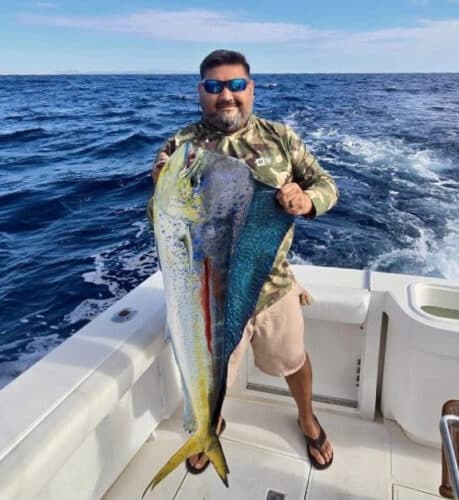
Eight clues to find bigeye tuna in the canyons
Bigeye in the canyons are a reading game. Structure, bait, whales, spread, and timing turn a long offshore run into a real shot at fish.

The canyon run has no patience for guesswork. Once you point the bow toward the Northeast canyons, fuel, weather, current, and daylight all start charging interest, so the difference between an average offshore day and a real bigeye shot often shows up before the first rod ever goes in a holder. The newest bigeye guide from On The Water leans into that reality, breaking the hunt into eight clues that help crews read the water like it owes them money.
1. Start with structure, not empty bluewater
Bigeye tuna do not roam the canyons like ghosts with no address. They are highly migratory, and NOAA Fisheries places them across warm temperate waters in the western Atlantic, from southern Nova Scotia to Brazil, which is exactly why the Northeast canyon grounds can light up when the ocean lines up. The lesson is simple: if you are running blind past the edges, cuts, and breaks that shape the canyons, you are already giving up the best chance to intersect fish that are moving with purpose.
Structure matters because it gathers everything bigeye want to eat. The canyon walls, drop-offs, and current seams concentrate bait, and that concentrates predators in turn. A trip that begins with a real read on the bottom and the edge of the water column has a far better chance of becoming a bigeye trip than one built on hope alone.
2. Treat deep bait as the first real sign of life
The guide’s focus on deep bait is the kind of detail that separates casual offshore thinking from canyon thinking. Bigeye feed on fish, crustaceans, and squid, so the presence of bait deep in the column is not background noise, it is the food chain showing its hand. When that bait is stacked on the sounder or pinned to a temperature break, it tells you the water is holding the right ingredients for a tuna to feed down below the surface action most anglers are used to chasing.
That matters because bigeye are not always shopping on top. In the canyons, the fish often key on what is happening under the boat, where the bait is thickest and the current is carrying scent and forage into the right lane. If the screen is clean and the bait is thin, you are looking at a very different trip than one where the marks are stacked and the water feels alive.
3. Pay attention when pilot whales show up
Pilot whales are not a guaranteed ticket, but they are one of the most useful visible clues in a search area that can swallow a boat whole. Offshore anglers have long treated whales as signs that the food web is active, and the guide’s inclusion of pilot whales is a practical reminder that bigeye fishing is often about reading the whole ecosystem, not just chasing one species. When whales are working the same water, they can point you toward the kind of bait concentration and current edge that bigeye are also using.
That does not mean every whale sighting becomes a tuna hookup. It means you treat whale activity as a piece of the puzzle, then stack it against water color, current, bait, and the way the bait is behaving underneath. In the canyons, that layered reading is often the difference between wandering and arriving.
4. Build the right spread for the fish you actually want
A spread that works for yellowfin on a casual offshore day is not always the spread that turns a bigeye bite into a catch. On The Water’s guide puts the right spread among its core factors because presentation matters as much as location, especially when the target is a tuna that can be more finicky than the fish many crews are used to trolling for. The setup has to match the way bigeye are holding, feeding, and reacting to pressure in deep water.
That means the spread should be chosen with intent, not habit. If the fish are showing on deep marks or under the bait, the way you stagger baits and lures should reflect that depth and the lane you are trying to cover. A sloppy spread wastes the one thing a canyon crew cannot replace once it is offshore: time on the right water.
5. Fish the early and late windows hard
Historical On The Water reporting from 2024 pointed to the same time-of-day pattern many canyon crews already trust: bigeye fishing was most reliable early and late in the day. Those windows matter because the bite often tightens when light levels shift and the fish move with more confidence around the bait. If you are burning the best hours idling around without a plan, you are handing the bite to someone else.
That timing pressure is why the canyon run starts long before sunrise and sometimes finishes after sunset. Crews that are ready to troll or work the grounds when conditions change are the ones most likely to intercept the feed. In bigeye country, the clock is not just a schedule, it is part of the fishery.
6. Put big deep divers in the water when the fish are down
The same 2024 reporting also singled out big deep divers as the standout producers. That is no small detail in a fishery where bigeye often spend more time below the chop than on it, and where the right lure depth can matter more than bravado. If the fish are reading deep on the machine, a deep diver can put your offering where a surface-skimming program never reaches.
This is the kind of adjustment that turns a good canyon crew into a dangerous one. A deep diver is not just another lure in the pattern, it is a response to the way bigeye use the water column. When the bait and marks sit lower, the spread should move lower with them.
7. Watch for warm Gulf Stream water pushing into Fishtails
Late summer is when the canyon story gets especially interesting. On The Water has reported that large concentrations of bigeye tuna have moved into Fishtails in recent years when warm Gulf Stream water reaches the area, and that kind of temperature shift is exactly the sort of cue canyon anglers live for. Warm water alone is not the whole answer, but when it arrives in the right place, it can stack the table with bait and predators in a way that makes a long run pay off.
Fishtails has earned its reputation because it is not just a name on a chart, it is a place where the water can flip the odds. Crews that watch for that warm push are not chasing rumor, they are following a pattern that has put bigeye in the zone during the late-summer window. When the Gulf Stream leans north and the bait answers, the canyon stops feeling like a search and starts feeling like a setup.
8. Keep the management backdrop in view while you plan the trip
The fishery sits inside a heavily watched offshore landscape. The Northeast Canyons and Seamounts Marine National Monument was designated by Presidential Proclamation 9496 on September 15, 2016, and NOAA and the U.S. Fish and Wildlife Service later issued a final management plan and environmental assessment after Presidential Proclamation 10287 on October 8, 2021. Then, on February 6, 2026, President Trump removed the prohibition on commercial fishing within the monument through Presidential Proclamation 11009, while some gear restrictions still remain because of deep-sea coral protections.
That policy shift changes the broader canyon picture, even as recreational crews continue to target tuna there. NOAA said commercial fishing is now allowed within the monument boundaries, and the agency framed the opening as a way to increase opportunities for American fishermen and women to catch desirable species such as yellowfin tuna. For a canyon crew planning a bigeye run, the lesson is not just where the fish live, but how much the rules, gear, and seasonal pressure around those grounds can shape every decision on the water.
The best bigeye trips in the Northeast canyons still come down to reading the ocean before it reads you. Structure, bait, whales, spread, timing, deep divers, warm water, and the management reality around the grounds all stack together, and when they line up, the long run starts to feel less like a gamble and more like a real shot.
This article was produced by Prism’s automated news system from verified source data, official records, and press releases, then run through automated quality and moderation checks before publishing. The system is built and supervised by the people who set the standards it runs under. Read our full AI policy.
Did this article answer your question?