England Requires Mandatory Training for Atlantic Bluefin Tuna Permit Applicants
Every skipper offered an English bluefin tuna permit in 2026 must complete Angling Trust-accredited training before receiving their authorisation, with applications open now until April 13.
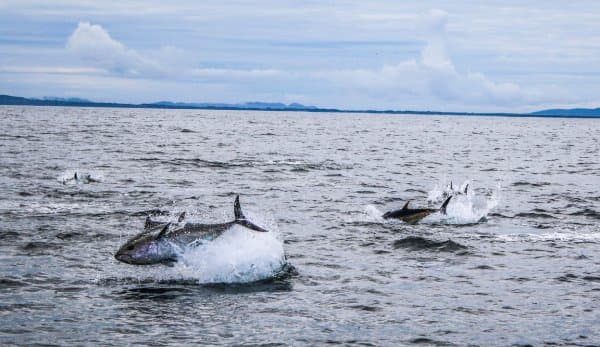
Skippers and masters seeking a bluefin tuna catch-and-release permit for English waters in 2026 are now required to complete mandatory training as part of the application process, marking the most significant tightening of England's recreational BFT fishery since it launched.
Applications for the catch-and-release fishery opened today, March 24, and must be submitted by 23:59 on April 13 to be considered for this year's scheme. The Marine Management Organisation (MMO) will only issue a permit once the required training has been successfully completed.
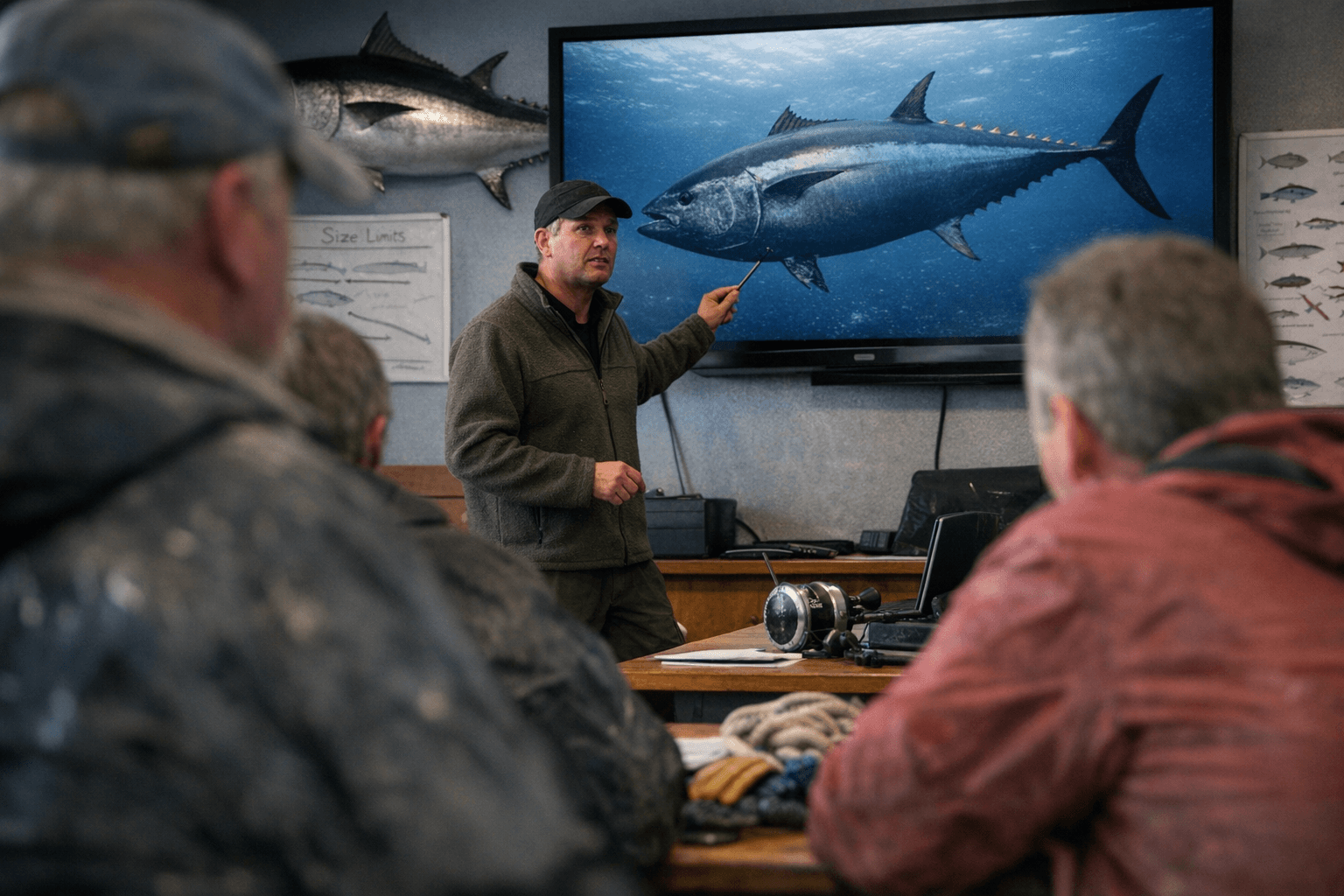
The goal of the training scheme, run by the Angling Trust and supported by the MMO, is to ensure the catch-and-release fishery operates to the highest standards of fish welfare, safety, and professionalism. The Angling Trust, Defra, the MMO, Cefas, Natural England and sector representatives jointly developed the mandatory training, which is accredited by the Angling Trust.
Successful permit applicants must complete both the Angling Trust-accredited online and in-person training before the permit is issued. The in-person component includes both a classroom element and practical on-the-water training sessions. The MMO has made clear that only training developed by the Angling Trust will be recognised when applying for a 2026 permit, limiting the scope for alternative or commercially provided courses.
At the UK level, up to 230 recreational permits are available, though the MMO will operate at roughly the same level as last year, issuing around 140 to 150 authorisations within English waters. Charter applicants will continue to be prioritised, although some permits will also go to private vessel applicants.
The permit process was launched earlier than in previous years to allow holders to complete training before the season begins in mid-July. Angling Trust CEO Jamie Cook welcomed the shift: "By ensuring every skipper is properly trained, we are protecting the welfare of these remarkable fish, supporting angler safety, and helping to build a fishery that is sustainable and respected internationally."
On the commercial side, 30 authorised vessels will be permitted to target and land bluefin tuna in 2026, each receiving a four-tonne allocation, with that application process expected to open in early April. Applicants may apply for both recreational and commercial authorisations if they meet the separate eligibility criteria, though a single vessel cannot hold both a recreational permit and a commercial licence simultaneously.
The mandatory training requirement signals a further shift away from the early experimental phase of the fishery towards a more structured and regulated framework, one that England is positioning as a model for world-class bluefin conservation.
This article was produced by Prism’s automated news system from verified source data, official records, and press releases, then run through automated quality and moderation checks before publishing. The system is built and supervised by the people who set the standards it runs under. Read our full AI policy.
Did this article answer your question?