IOTC advances monitoring and bycatch rules, yellowfin gaps remain
Yellowfin was still the sore point in Malé, even as the IOTC tightened reporting, transshipment and bycatch rules. That gap could decide future access.
Yellowfin was the unfinished business in Malé, where the Indian Ocean Tuna Commission made real progress on monitoring and bycatch but stopped short of closing the stock gap that matters most to anglers. The 30th annual meeting ran May 11-15 at Barceló Nasandhura Malé, with Adam Ziyad of the Maldives chairing and Qayiso Mketsu of South Africa and Marco Valletta of the European Union as vice-chairpersons. For anyone planning an Indian Ocean trip, that split matters: better management can steady seasons, while a weak yellowfin fix keeps the risk of tighter rules alive.
The clearest wins came on the unglamorous parts of the fishery that keep it honest. The session adopted eight conservation and management measures, including stronger statistical reporting obligations for fishing vessels, tighter limits on at-sea transshipment that allow transfers only between IOTC members, and an initial step toward better inclusion of vessels under 24 metres in the record of authorized vessels. It also advanced mobulid ray protection, a practical move for a fishery where bycatch rules shape what survives long after the hooks come in. Mobulids are slow-growing, late to mature and usually have only a few pups, and the Scientific Committee has already flagged declines across the Indian Ocean and recommended no-retention measures.

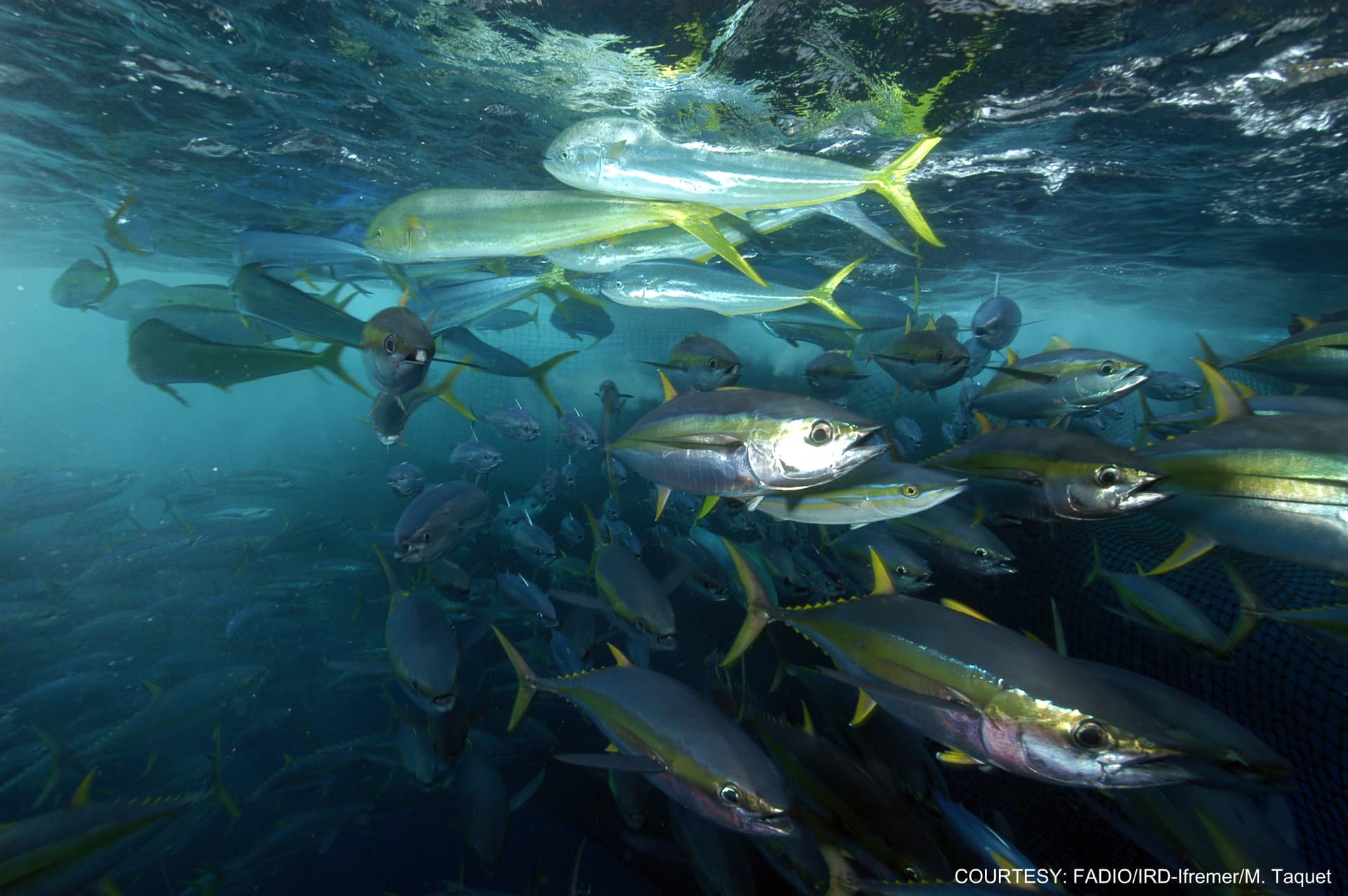
That work matters because yellowfin still sets the tone for the whole fishery. The Scientific Committee’s median yellowfin MSY estimate is 421,000 tonnes, with a range of 416,000 to 430,000 tonnes, and the 2026 proposal said a new TAC for 2026-2028 should not exceed 421,000 tonnes. ISSF said the adopted yellowfin measure did not fully align with that advice, even while acknowledging progress on monitoring, bycatch mitigation, transshipment oversight and management procedures. A separate post-meeting report put the agreed yellowfin TAC at 436,867 tonnes for 2027-2028, which is exactly the kind of number that can look manageable on paper and still leave conservation groups uneasy.

The broader picture is mixed rather than cleanly good or bad. The IOTC became the first tuna RFMO to implement catch allocation systems for all three tropical tuna species under its management, and ISSF said management strategy evaluation work for yellowfin and albacore will keep getting funding in 2027-2028. That kind of long-range modeling is not abstract to fishermen who live by weather windows and bite windows: it is what shapes quota stability, trip planning and whether today’s access becomes next season’s headache.
Malé delivered real movement on the rules that are easiest to improve and hardest to ignore. Yellowfin is still the number that will decide whether those gains buy stability, or whether the next meeting opens under pressure for even tighter limits.
This article was produced by Prism’s automated news system from verified source data, official records, and press releases, then run through automated quality and moderation checks before publishing. The system is built and supervised by the people who set the standards it runs under. Read our full AI policy.
Did this article answer your question?